Garlic tasting
By VicentaLakin
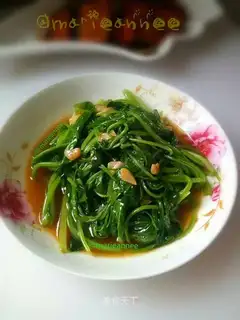
IT'S NOT LIKE I'M GOING TO HAVE TO GO TO SCHOOL. THE CANDOUR IS THE MOST COMMON LEAFY, JUICY AND SUCCULENT SEASON IN THE NORTH OF THE COUNTRY. FEEDING WITH THICK LEAVES, INFARCTION OR SEEDLINGS. ROOT BLADES AND LEAF HANDLE CHARACTERISTICS CAN BE DIVIDED INTO THREE TYPES: CYANIDE, WHITE SEED AND WRINKLED LEAF. VEGETABLE BLADES ARE RICH IN REDUCED SUGAR, COARSE PROTEIN, CELLULOSE, AND TRACE ELEMENTS SUCH AS VITAMIN C, POTASSIUM, CALCIUM, IRON, WHICH HAVE THERMAL DETOXIFICATION, CAN BE USED TO STOP BLEEDING AND ARE RECOMMENDED FOR CONSUMPTION DURING DIET。
Recipe Recommendations
- Guandacai 300 grams
- vegetable oil appropriate amount
- oyster sauce 1 tablespoon
- garlic 30 grams
- salt 1 gram
- salty and fresh
- fried
- ten minutes
- simple
Steps for Garlic tasting
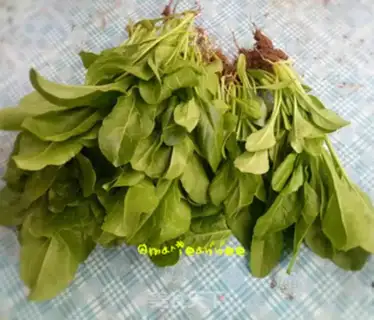
1
Get ready for dinner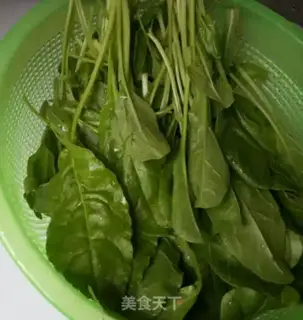
2
I'm going to remove the rags and the yellow leaves, wash the dry water and cut the garlic
3
Heat in a boiler, greasy garlic in a little fire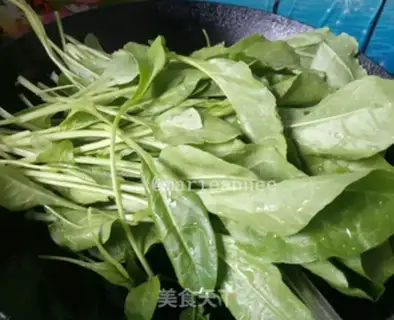
4
I'm going to join you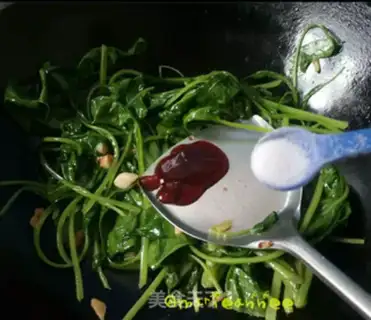
5
It gets darker and softer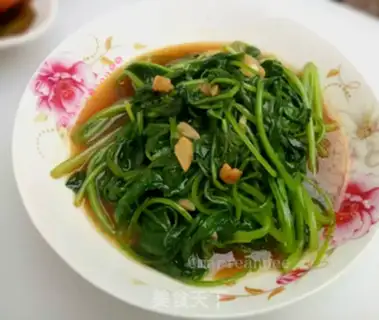
6
DoneGarlic tasting Make Tips
1. Swiss chard is mostly cultivated in southern China, having fleshy stems and leaves. It grows relatively fast and possesses a cool, clearing nature. Because it is often used as pig feed by the locals, it is named "Zhu Po Cai" (Pig Vegetable).
2. Swiss chard is an alkaline vegetable that can correct the acidic environment in the human body and facilitate the body's acid-base balance. Women frequently eating Swiss chard can help regulate menstruation and reduce leukorrhea.
3. It is beneficial for vitiligo patients to eat Swiss chard frequently in their daily lives for the recovery of their condition.