A fragrance bun
By VicentaLakin

QUISINE IS ALSO KNOWN AS CABBAGE, AND FRESH LEAVES FOR COOKING. FRUITS ARE USED FOR SPICES AND MEDICINES, AS WELL AS ROOTS, LEAVES AND WHOLE GRASS. THE AROMA IS A VEGETABLE THAT PEOPLE OFTEN EAT IN THEIR DAILY LIVES, BECAUSE IT HAS ITS OWN SPECIAL FLAVOR, SO MANY PEOPLE LIKE IT VERY MUCH, BUT I DON'T LIKE THE AROMA. REMEMBER THE ONE TIME THAT A BAG BOUGHT OUT OF THE HOUSE BIT IT AND FOUND IT TO BE FRAGRANCE, AND IT WAS SO HARD TO SMELL IT. I KNOW, HOWEVER, THAT THE AROMA IS RICH IN NUTRIENTS AND ITS MAIN COMPONENTS ARE ACNE OIL, WHICH STIMULATES GASTROINTESTINAL NEUROVASCULAR ACTIVITY, PROMOTES DIGESTIVE FLUIDIZATION, INCREASES GASTROINTESTINAL CREEPING, HAS A HEALTHY STOMACH AND AEROBICS, AND HELPS TO REDUCE SPASMS AND PAIN. ETHYLENE CONTRIBUTES TO THE MATURITY OF BONE MARROW CELLS AND RELEASES THEM INTO THE OUTER CIRCLE OF BLOOD, WITH SIGNIFICANT ELEVATED WHITE CELL EFFECTS, MAINLY ELEVATED TO NEUTRAL PARTICLE CELLS, WHICH CAN BE USED FOR WHITE CELL REDUCTION. THE AROMA CONTAINS A LARGE AMOUNT OF ITS VITAMIN C, B, CARROTS AND VARIOUS HUMAN ESSENTIAL AMINO ACIDS. HEALTH-CARE EFFECTS SUCH AS WARM LIVER STOMACHS, WARM STOMACHS, COLD CONSTRICTIONS AND WIND-DISORDERS, ACNE SEEDLINGS THAT ARE NUTRITIOUS AND FRAGRANCE, WHICH CAN BE USED TO PACK DUMPLINGS, PRETZEL CAKES AND MIX WITH MEAT, EGGS, WOOD, MUSHROOMS AND SHRIMP SKINS. IT'S PRECISELY BECAUSE OF THE NUTRITIONAL EFFECTS OF THE AROMA THAT I DECIDED TO TRY TO GET USED TO THIS UNIQUE SMELL AND SLOWLY TO MAKE MYSELF IN LOVE WITH THIS UNUSUAL AROMA. THIS IS THE FIRST TIME I'VE HAD A PERSONAL ENCOUNTER WITH THORIUM. THE FRAGRANCE BUNS AND THE AROMA IN THE GARDEN OUTSIDE THE HOUSE ARE VERY WELL DEVELOPED BECAUSE OF THE RECENT HEAVY RAINS. ALTHOUGH IT'S SO GOOD-LOOKING, NONE OF OUR FAMILY LIKES THE AROMA, AND MOST OF THEM CUT IT BACK AND FED THE CHICKENS, SO I'M GOING TO HAVE TO TRY IT, OR I'M GOING TO BE FILLED WITH ALL THE CHICKENS
Recipe Recommendations
- fennel 50 grams
- pork 180 grams
- flour 250 grams
- warm water 130 grams
- yeast powder 3 grams
- salt 2 grams
- oyster sauce half a tablespoon
- soy sauce 1/3 tablespoon
- sesame oil 1/3 tablespoon
- soy sauce 2 tablespoons
- cooking wine 1 tablespoon
- chicken powder half a teaspoon
- black pepper half a teaspoon
- Jiang 20 grams
- spiced powder 1/3
- corn starch a little
- qingshui 150 grams
- salty and fresh
- fried
- ten minutes
- ordinary
Steps for A fragrance bun
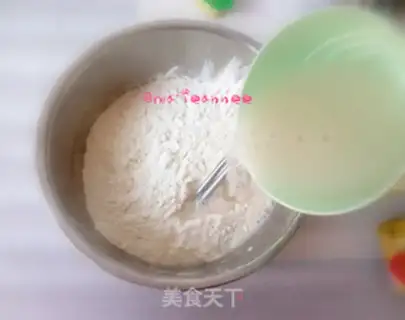
1
250 grams of flour, placed in a slightly larger container, 2 grams of salt modulated; 130 grams of water split into two, sequestering the yeast into a small amount of warm water for a few minutes to melt it completely, and the melted yeast slowly fall into the flour, and then fall into the remaining warm water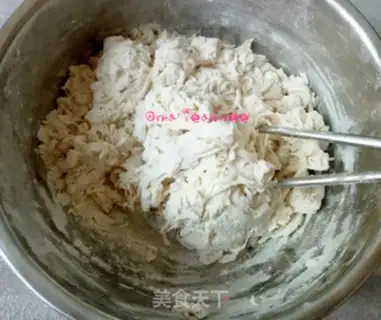
2
Smash it with chopsticks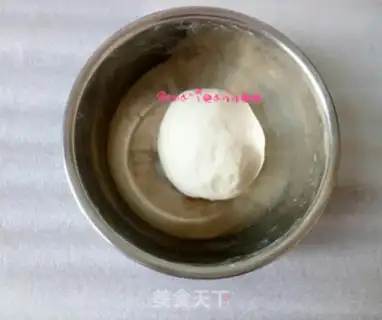
3
Then he rubbed it with his hands, then he rubbed it into a smooth face, and then he put on a lid or a wet gauze, and put it in the warmth and fermented it up to 2.5 times the size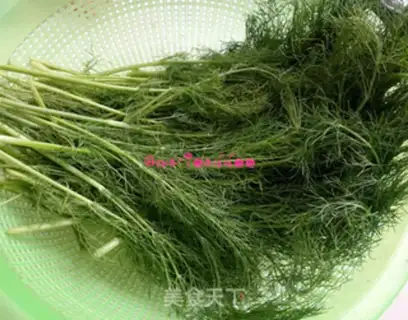
4
The fermentation of the fermentation leaves the fragrance dry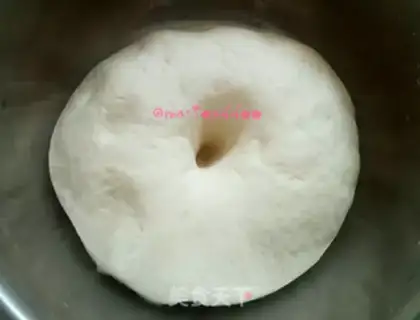
5
It ferments to twice the size and the internal tissue is beehive-like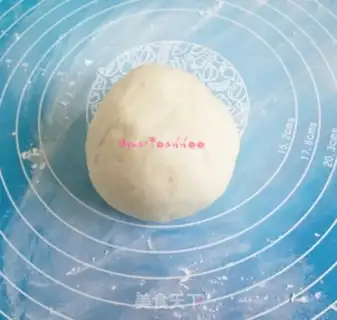
6
Put a little corn starch on the silicate pad, take fermented pasta out on the silica pad, pump it in for 20 minutes, then rub it in a smooth surface, then put the lid back on the pelvis for about 15 minutes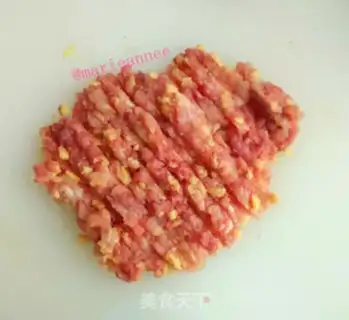
7
We'll use the 15-minute static node to handle the thorium. Scratch: Ginger wash and pork cut apart and cut together. Done. Meat. Paper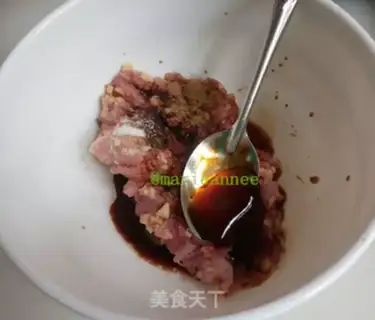
8
Cracked meat in the bowl, with beryllium oil, vanilla oil, raw, soy sauce, wine, black pepper powder, chalk, chicken powder, salt 1 gram with your hands. Snap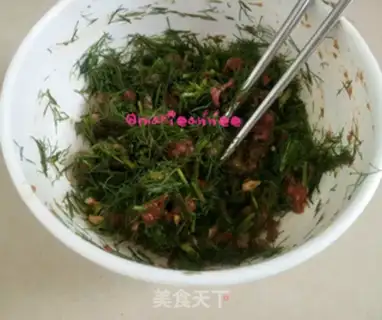
9
Then we'll cut the fragrance and mix it with the meat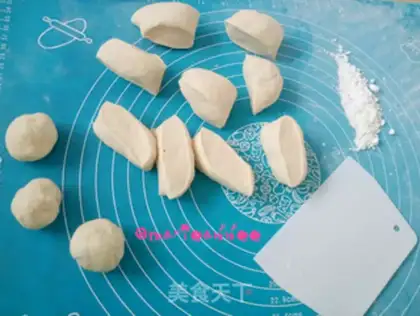
10
Take out the noodles, cut them to about 30-pound noodles with a razor. Circle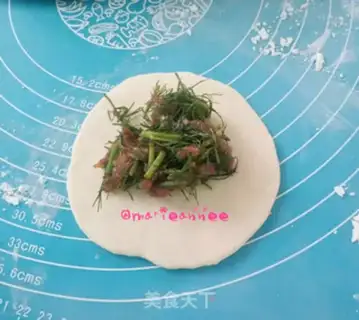
11
Put the tumbled buns in the right amount. The perfume. Paper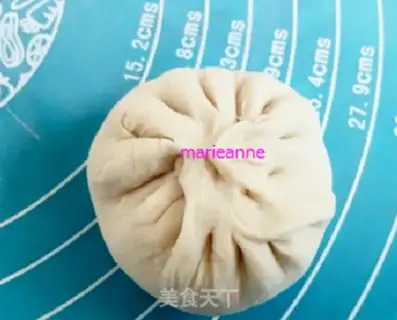
12
Squeeze it from one end to the other, then press it in one direction until the edge of the skin is finished, the mouth is closed, and it's a child
13
Placing the buns evenly in the oil-skinned pan with the pan cover, awakening again for 15 minutes, then burning the small and medium fire to a bit of fray at the bottom of three to five minutes
14
Add a small bowl of clean water to one third of the bun, put it in the water and put it on the lid
15
It's about five minutes. It'll turn off the fire. PotA fragrance bun Make Tips
1. When making dough, the water temperature should be lukewarm (not scalding). The temperature must not be too high; if the water is too hot, the yeast will lose its activity and cause the fermentation to fail.
2. If the dough feels too hard while kneading, you can wet your hands and continue kneading.
3. The time required for fermentation is closely related to the ambient temperature. Higher temperatures result in a shorter fermentation time, while lower temperatures require more time. In summer, due to the high temperatures, the dough can ferment at room temperature. In winter, the dough needs to be placed in a warm location. For example, in the north, the container with the dough can be placed next to a radiator; in the south, you can boil a pot of warm water, place the container with the dough in the warm water, and cover the pot, which can also shorten the fermentation time. If you have an oven with a fermentation function at home, you can use it directly (about 1.5 hours in winter, about 45 minutes in summer), which is convenient and quick.
4. A simple method to judge if the dough has fermented well is: dip a finger in flour and insert it into the dough. After removing the finger, if the dough around the fingerprint does not spring back or collapse, it means it has fermented just right; if the dough around the fingerprint springs back quickly, it means it has not fermented enough; if the dough around the fingerprint collapses quickly, then the dough is over-fermented. Generally speaking, when the dough volume has doubled and the inside is filled with honeycomb-like pores, the dough is ready.
5. The ratio of flour to liquid for making buns is 2:1, and the amount of liquid must not exceed 60% of the flour.
6. The method to check if the buns are pan-fried is: first, observe if the water has completely disappeared; second, gently lift a bun, and if the bottom is golden brown, it is done.
7. Pan-fried buns rely on the evaporation of water in the pot to expand and cook, so the amount of water must be suitable; approximately 150 grams of water is needed for one pot of pan-fried buns.