This recipe comes from a well-known Korean cuisine master and the taste is very authentic.
Storage method of kimchi:
During the production process of kimchi, kimchi needs to be naturally fermented in a sealed container, and the fermentation effect can be used to give the vegetables a special flavor and taste.
During the fermentation process, countless lactic acid bacteria will begin to grow and reproduce in the sealed container, and this period of time is an important stage that determines the success or failure of kimchi production, so preservation is extremely important at this time. Therefore, after kimchi is put into a container and capped and sealed, it should be placed in a cool place where sunlight cannot reach it. The most suitable temperature for lactic acid bacteria to reproduce is 0-25℃. Excessive temperatures should be avoided, because the higher the temperature, the faster the lactic acid bacteria grow. Therefore, if you make kimchi in seasons or regions with higher temperatures, pay attention to observation or shorten the fermentation time to avoid excessive fermentation and making the kimchi too sour.
Once kimchi is fermented to the appropriate acidity, it is the best time to taste delicious food. At this time, it must be moved into the refrigerator and stored so that the lactic acid bacteria will not continue to grow and cause the kimchi to be too sour.
Even fermented and pickled kimchi has a certain shelf life. It is recommended to use clean, water-free and oil-free chopsticks and spoons after opening to prevent kimchi from deteriorating. There are also enforcers that are pickled in small containers, which is more convenient to eat and should be eaten as soon as possible after opening.
If you make a large amount at one time, you can wait until the fermentation is over, sub-pack it into small containers or plastic bags, and take as much as you eat. This can reduce the contact between kimchi and the air and maintain the best freshness. It is also a method that will not make kimchi easy to sour.
Once kimchi comes into contact with air, it will easily turn sour early and its delicious taste will be lost, so the faster the better when taking it out.
Change in time and temperature required to ferment kimchi (for reference only):
8-12℃ at room temperature for approximately 4 days
18-20℃ at room temperature for approximately 2 days
27-30℃ at room temperature for approximately 1 day
cabbage and kimchi

Recipe Recommendations
- Chinese cabbage 1 tree
- white radish half a
- onion 1 piece
- parsley 1 handful
- honey 2 tablespoons
- salt 250 grams
- water 10 cups
- white sugar 2 tablespoons
- fish sauce 60 ml
- garlic 2 tablespoons
- chili powder 8 tablespoons
- medium spice
- pickled
- several days
- ordinary
Steps for cabbage and kimchi
1
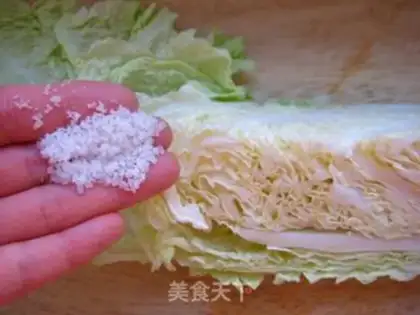
Cut cabbage into 4 portions, sprinkle a little salt into the thick parts of the leaf stalks.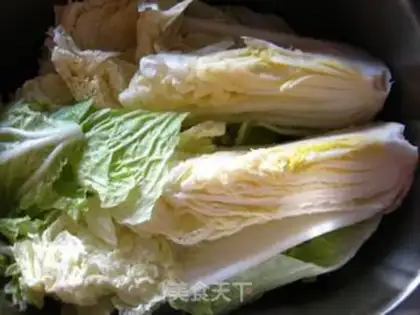
2
Then put the cabbage into ingredient A and press it slightly to soften. Take it out for about 8 hours, wash it slightly with cold boiling water, and drain the water.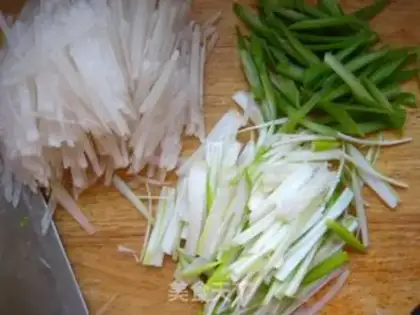
3
Peel and shred the white radish, cut the green onion and celery into small pieces for later use.
4
Stir white radish with a little salt and chili powder.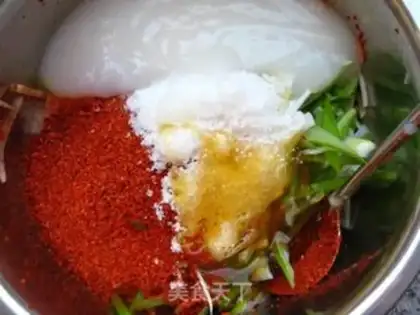
5
. Add onion, celery, and shredded radish into ingredient B and mix well.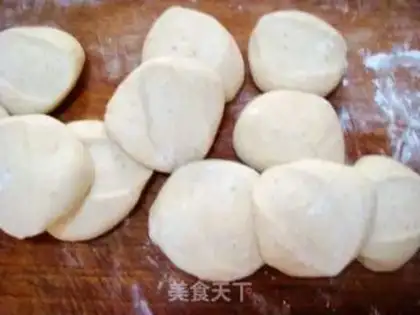
6
Mixed marinade.
7
Spread the ingredients from Practice 6 evenly on each piece of cabbage.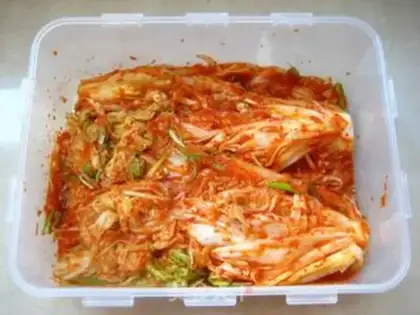
8
Then put the cabbage into a container and pour in the remaining marinade.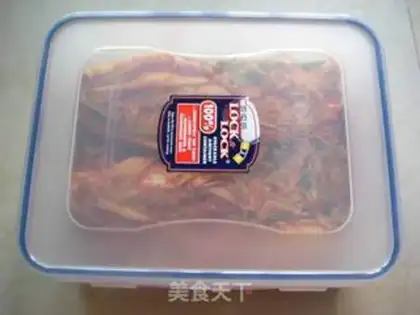
9
Seal it and wait for 2-3 days to ferment and be cooked.