Vacuate fish
By VicentaLakin

Fish is also known as whips, swordfish, toothfish, swordfish, etc. It has a rich nutritional value, rich in many minerals and nutrients essential to the human body, and an ideal food for the elderly, children and mothers. In addition, fish-borne practices are numerous and are more common home-based practices such as dry fried, varnished, red burning, sugar vinegar, etc. Of these, evaporated fish are the most original fish-borne practice with a good taste and taste. Steaming is used to cook fish, the products are particularly rare, pre-cooked and tasted, and there is little health. It blends with the fragrance of garlic and tastes particularly beautiful. Vegetable vegetables tend to be fresh and less oily, and the nutrient loss of the food is low, and they are very suitable for food during diet。
Recipe Recommendations
- frozen hairtail 200 grams
- vegetable oil 20 grams
- steamed fish drum oil 2 tablespoons
- salt 1/3 teaspoon
- onion 10 grams
- Jiang 25 grams
- garlic 15 grams
- cooking wine 2 tablespoons
- salty and fresh
- steamed
- ten minutes
- simple
Steps for Vacuate fish
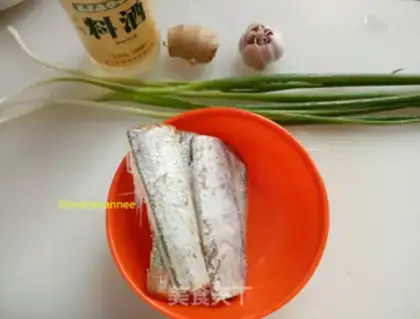
1
Prepare the material. Frozen bands need to be unfrozen early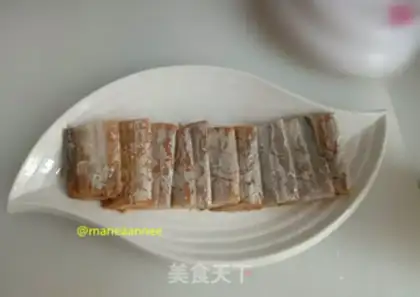
2
it's about 3.5 cm clean-up, two slashes on both sides. medium
3
Spill salt and wine evenly on the surface of the fish and put onions of ginger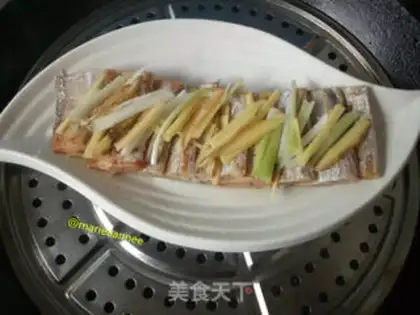
4
The pan pours in half a pot of water, then puts it in the steambox, and when it's in the fire, it puts a plate with fish on the steambox, and it's about eight minutes of steam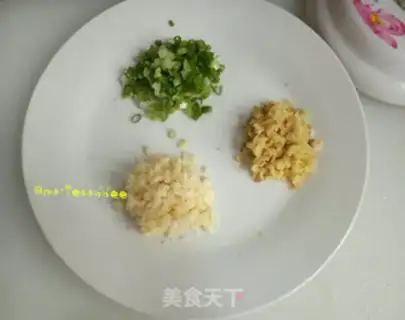
5
When you steam a fish, you're gonna have to cut it to pieces
6
When the fish are fertilized, the plate is removed, the water evaporated from the plate is thrown out, and the ginger onion is re-painted
7
It's burning up in the pot
8
I'll put the smoke on the garlic and then the steamed fish drums on the table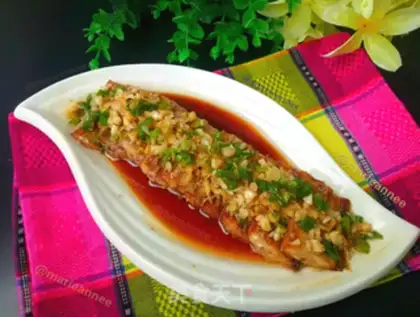
9
The product is deliciousVacuate fish Make Tips
1. The steaming time should be determined based on the size and thickness of the ribbonfish; if the fish is relatively thick, increase the time by 5-10 minutes appropriately.
2. Do not remove the silver scales when cleaning the ribbonfish, as this is the most nutritious part of this deep-sea fish. The scales and oil of the ribbonfish contain high levels of lecithin and various unsaturated fatty acids, which are beneficial as an aid in the treatment of leukemia, stomach cancer, lymphoma, and other conditions.
3. Ribbonfish meat is plentiful and delicate, with a relatively high fat content concentrated in the outer layer. It tastes delicious and has few bones, but there are fine, loose bones in the abdomen, so caution should be exercised when feeding it to children.
4. People with eczema or skin allergies should consume ribbonfish with caution.
5. Fresh ribbonfish is silver-gray and lustrous; however, some ribbonfish have a layer of yellow substance attached to the silvery gloss. This is because ribbonfish is a high-fat fish; when stored improperly, the surface fat comes into contact with a large amount of air, accelerating oxidation. The byproducts of oxidation cause the yellowing of the fish's surface. When purchasing ribbonfish, try to avoid buying those with yellow patches. If you do buy them, eat them promptly; otherwise, the fish will quickly spoil and become malodorous.
6. If you are using fresh ribbonfish purchased from the market, place it in a basin, add enough water to submerge the fish, and add a small amount of salt. Rub the ribbonfish repeatedly with your hands to wash away the surface mucus, then drain and remove the fish (washing with salt water serves two purposes: first, it removes the surface mucus, making the fish less slippery and easier to handle later; second, it helps eliminate the fishy odor, which is a useful trick for removing the smell). Next, use scissors to cut off the tail of the ribbonfish. Then, use scissors to make a small cut at the junction where the fins meet the body, and gently tear the fins off by hand. Make a small cut at the junction between the head and the neck, but do not cut through completely. Hold the head with your hand and pull gently; the internal organs will be easily pulled out along with the head.