White conch
By VicentaLakin
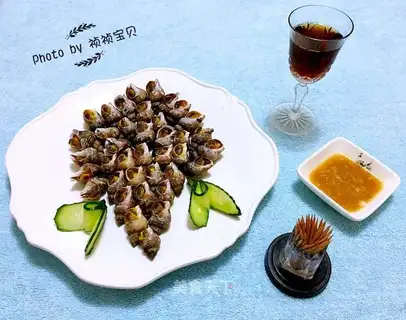
- salty and fresh
- cook
- ten minutes
- ordinary
Steps for White conch
1
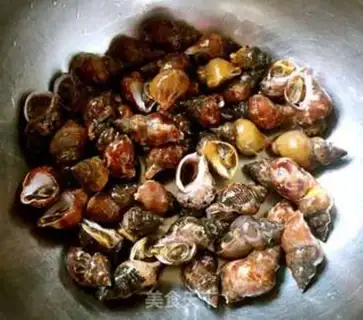
It's always been the practice of spicy sauce, and it's not surprising that the taste of raw juice, which is more beautiful, leads to something that you can't do without changing your moods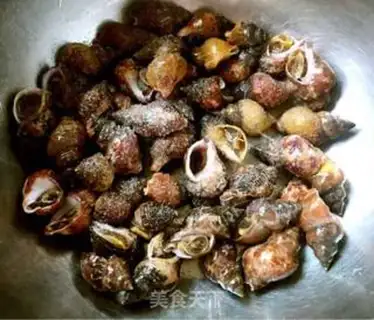
2
The conch cleans up the proper amount of salt and starts to stick. Liquid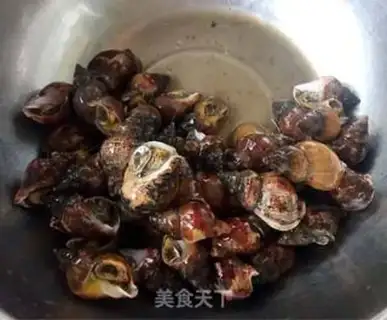
3
Hand-to-hand fragrance snails produce a lot of conch slime and impurities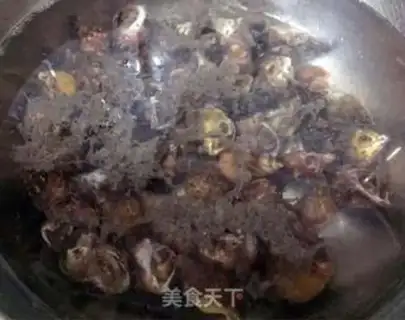
4
It's the slime and impurities of the conch that floats on it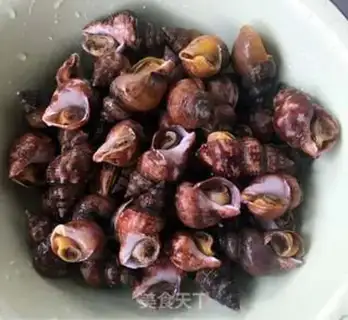
5
It's very cuddly to handle a clean conch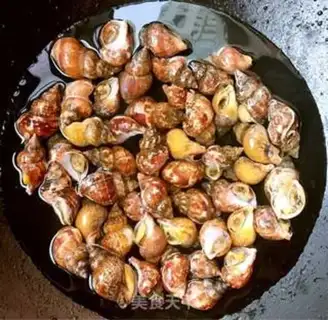
6
The fragrance snails are put in the pot and the proper amount of clean water is added to the saline cap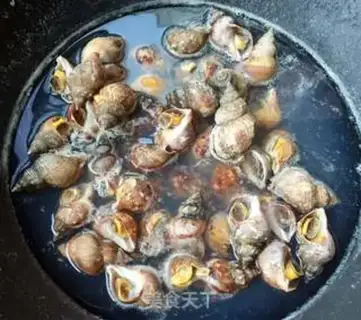
7
The conch has been boiled for a while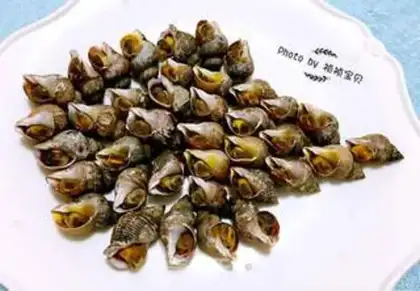
8
It's in the plate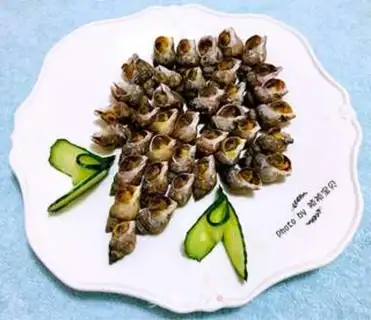
9
Insert two cucumbers to be fresher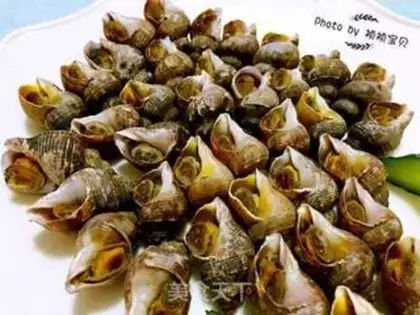
10
SPLENDID MEAT TASTES GOOD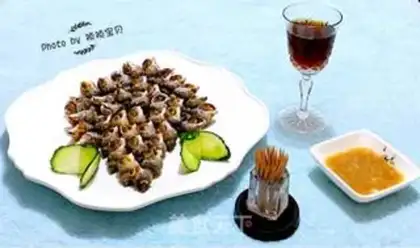
11
It's a greasy mackerel with a conch on it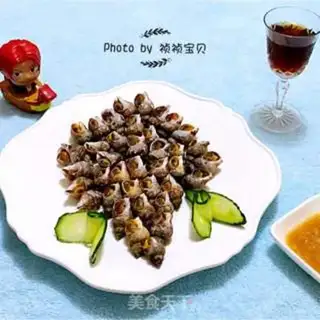
12
It's a charadeWhite conch Make Tips
Its meat is plump and delicious, hence the name "Fragrant Snail" (Xiangluo). The shell is solid, thick, and slightly spindle-shaped. The spire is conical with about 6.5 whorls, and the body whorl expands rapidly. The whorls feature distinct, uniform spiral lines and relatively coarse longitudinal ribs; the sutures are prominent, while growth lines are inconspicuous. The aperture is pale yellow, with brownish stripes of varying thickness and shades. The inner surface of the shell is grayish-white. The meat of the Xiangluo is rich in vitamin A, protein, iron, and calcium, offering dietary therapeutic effects for conditions such as bloodshot eyes, jaundice, beriberi, and hemorrhoids. It also contains vitamin E, which serves as an auxiliary treatment for certain eye diseases, including various cataracts, diabetic retinopathy, various chorioretinal lesions, and optic nerve atrophy.