Come back to the pot
By VicentaLakin
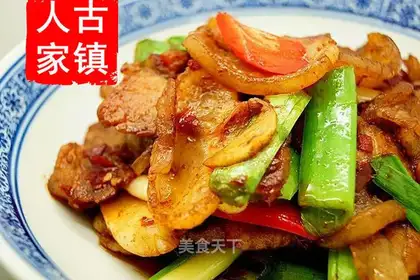
"The chow is the first and fifteenth meal of the Sichuan people, and it's common practice to cook first and then make more of it. A bowl of the chow is better for you to feel the warmth and taste of home. {\cHFFFFFF}{\cH00FF00} {\cHFFFFFF}{\cH00FFFF} {\cHFFFFFF}{\cH00FFFF}{\cH00FFFF} Eat back the pot! {\cHFFFFFF}{\cH00FFFF} It means cooking again。
Recipe Recommendations
- Erdao leg meat appropriate amount
- Garlic seedling section appropriate amount
- Zaijiang slices appropriate amount
- bell pepper pieces appropriate amount
- garlic slices appropriate amount
- sweet sauce appropriate amount
- Pi County bean paste appropriate amount
- Jiang appropriate amount
- chicken essence appropriate amount
- salty and fresh
- explosion
- half an hour
- simple
Steps for Come back to the pot
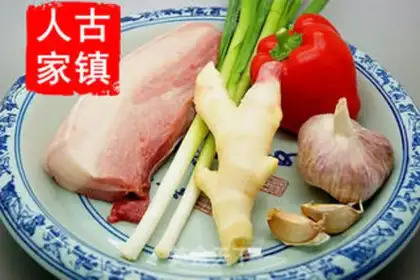
1
Main source: 2-slash leg meat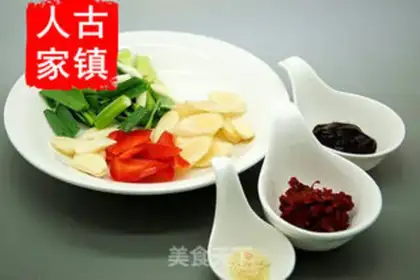
2
Creaming: Cream of garlic pasta, soy sauce, soy cranberry chicken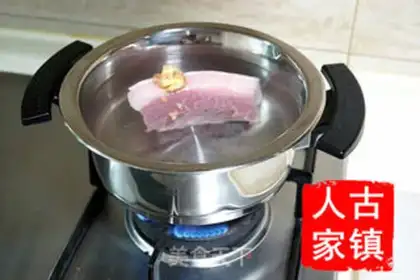
3
Burn water in the pot, add a small piece of ginger and put it in pork。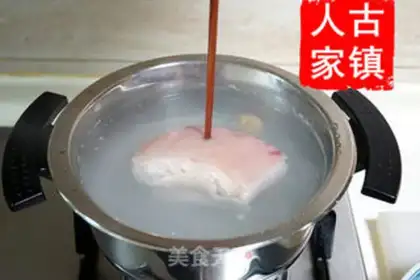
4
Cooking up to chopsticks can easily insert into pork and pick up slices。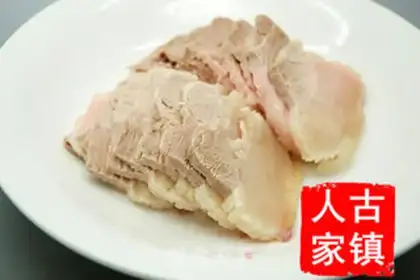
5
Slice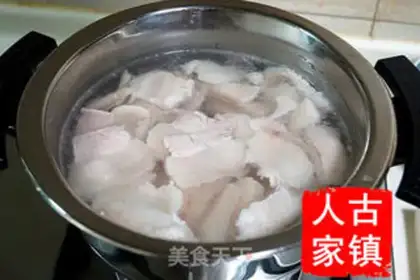
6
将Slice的肉倒入刚才煮肉的汤中烫下捞出。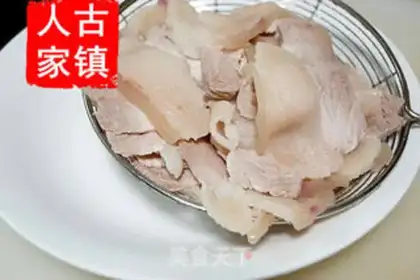
7
Dry water backup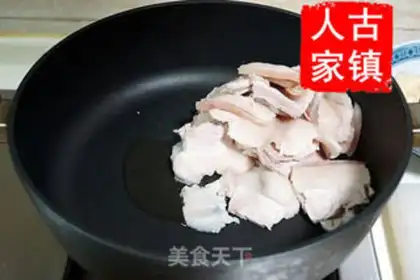
8
Put a little oil in the pot, put the meat in the fire。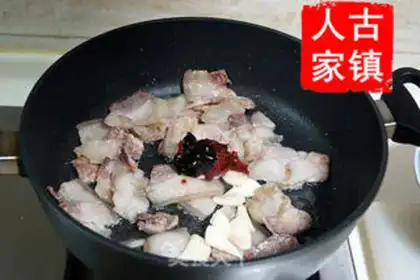
9
When the fat pops out of the oil, and the extra oil comes out, we'll add the soy sauce, the sweet noodle sauce, the garlic sauce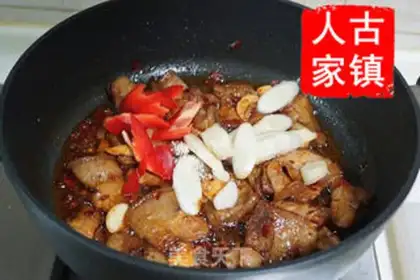
10
Join the gingers, the red peppers, the chickens twirling evenly。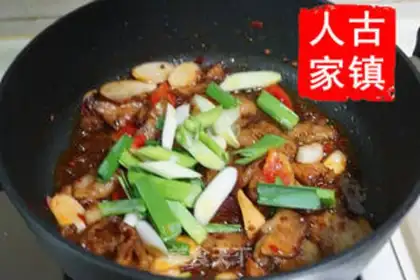
11
We'll just add the garlic silhouettes。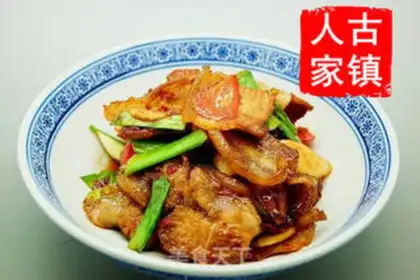
12
Tastes so simple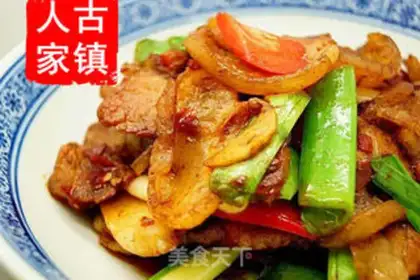
13
Three bowls for dinner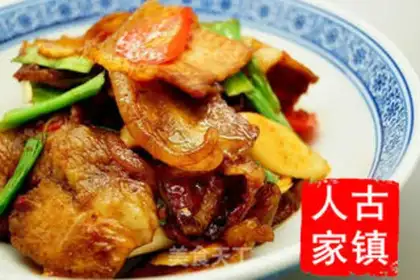
14
Perfect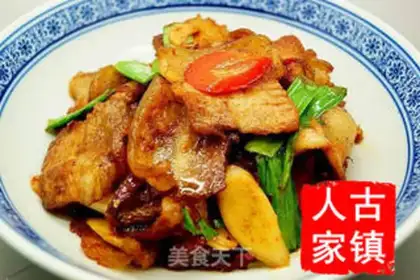
15
PerfectCome back to the pot Make Tips
For any unclear details about the process, you can add VX: gzrj80801.
1. Choose the meat with care: Use fresh pork slaughtered on the same day. Select the second-cut from the hind leg with a fat-to-lean ratio of 4:6, and about three fingers wide. Too fatty makes it greasy; too lean makes it scorch; too wide or too narrow makes it hard to shape.
2. Season when boiling the meat: Boiling meat in plain water makes it hard to bring out its natural flavor. Therefore, after the water boils, first add sliced ginger (smashed with a knife), large onion segments, garlic, and Sichuan peppercorns to flavor the broth. Wait for the broth to become fragrant, then add the cleaned pork. Remove it when it's about 60% cooked for later use; do not boil it until it's too soft.
3. Slice the meat skillfully: Many people wait for the meat to cool before slicing, but then the fat and lean meat easily break apart; when hot, it burns the hands, making it difficult to cut evenly. An experienced chef will soak the cooked meat in cold water for a while, then slice it when the outside is cold but the inside is still warm. If there's a fridge, you can put the freshly cooked meat in the freezer for 2-3 minutes; this makes it even easier to slice.
4. Use proper ingredients: The bean paste must be authentic Pixian bean paste, finely chopped with a knife. The soy sauce should be thick enough to coat the bottle wall.
5. Control the heat for stir-frying: Mastering the heat is the key to Twice-Cooked Pork. Use medium heat. After adding the meat slices, immediately add the finely chopped Pixian bean paste and stir-fry together so that the paste's unique color and flavor penetrate the meat. A chef who handles the heat and oil temperature well can stir-fry the meat slices into small curled shapes, commonly known as "lamp bowl shapes" (Deng Zhan Wo). When the meat slices curl into bowls, immediately add sweet bean sauce, a little soy sauce, and optionally a few drops of cooking wine and a bit of chicken essence to enhance the aroma and umami. Then, quickly add the other ingredients, switch to high heat, stir-fry until cooked, and it's ready to serve. When the oil in the hot pot reaches about 40% heat (warm), you can add the meat for stir-frying. After being sliced and sitting for a while, the meat slices will stick together. If you try to stir-fry them apart, the fat and lean meat may separate; if you let the oil that's holding them together melt and disperse naturally, it can lead to the bottom scorching while the top remains greasy, with uneven stir-frying. Therefore, keep the meat-boiling broth at a certain temperature. Before adding the meat to the pot, use a skimmer to separate the slices in the broth, then add them to the pot for stir-frying. This way, the fat and lean meat stay connected, and the moisture on the meat slices helps maintain their tenderness and softness.
Sichuan people also call Twice-Cooked Pork "Ao Guo Rou" (Stir-fried Pot Meat). In culinary techniques, there is no "Ao" method per se; it is a fusion of four methods: stir-frying, quick-frying, dry-frying, and deep-frying, giving the dish its unique flavor characteristics derived from all four. Some home cooks are used to adding oil to a cold pot, and also using raw oil and heating it until cooked before adding ingredients. Generally speaking, these are culinary taboos. When a cold pot heats up vigorously, the oil temperature becomes too high. Raw oil heated until cooked produces too much smoke, which taints the dish and ruins its natural flavor. Therefore, wait for the pot to heat up before adding pre-cooked oil. When making Twice-Cooked Pork, add a little oil first, preferably pre-cooked rapeseed oil. The rapeseed oil blends with the lard from the meat, enhancing the stir-frying aroma. Wait for the pot to heat up before adding pre-cooked oil. The rapeseed oil blends with the lard from the meat, enhancing the stir-frying aroma. Nowadays, city dwellers rarely use rapeseed oil, and it's also hard to find rapeseed oil with a pure, mellow quality in the market, so blended oil has to be used instead. Some people, fearing too much oil, simply don't add any oil and stir-fry the sliced pork directly in the pot. This way, there's less oil, but the meat becomes dry and scorched, difficult to chew, and completely loses the subtle softness that emerges amidst the dry aroma of Twice-Cooked Pork. In fact, if you think the oil is too heavy, just pour some out before adding the other ingredients and seasonings. Authentic Twice-Cooked Pork,