Perfect cheesecake
By VicentaLakin
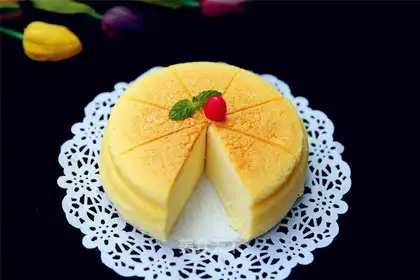
There's a lot of cheesecake, but this is different. Eight yolks, probably because of these eight yolks. There's no low powder in this square, full of corn starch, and that's what makes the cake light. Fine and smooth, impregnable, light and dense, you deserve it
Recipe Recommendations
- cream cheese 225 grams
- light cream 50 grams
- milk 50 grams
- protein of 4
- lemon juice 1 teaspoon
- egg yolk of 8
- butter 80 grams
- corn starch 25 grams
- sugar 80 grams
- sweetening
- roast
- several hours
- ordinary
Steps for Perfect cheesecake
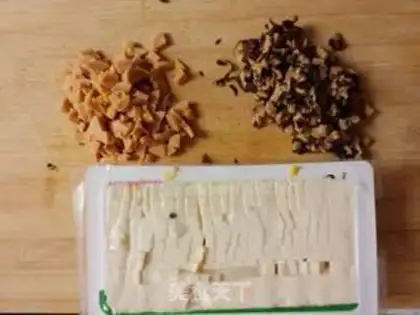
1
We'll leave the mold with the oil powder。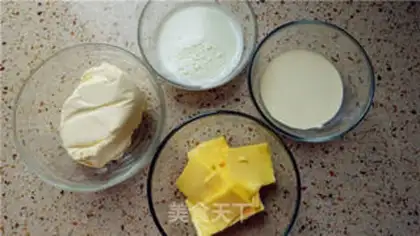
2
READY A. 225 G OF CREAM CHEESE; 50 G OF LIGHT CREAM; 90 G OF MILK; 80 G OF BUTTER。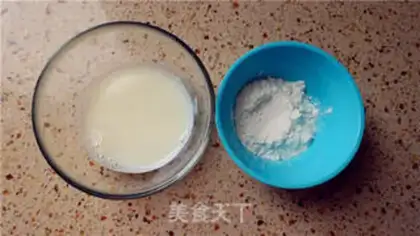
3
BE READY. MILK 50 GRAMS; CORN STARCH 25。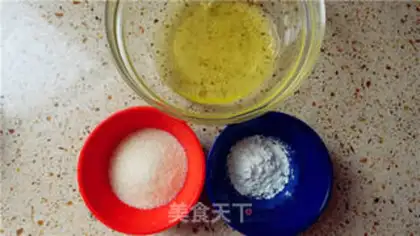
4
READY. PROTEIN 150 GRAMS (APPROXIMATELY 4); LEMON JUICE 1 SPOON; SUGAR 80 GRAMS; CORN STARCH 10 GRAMS。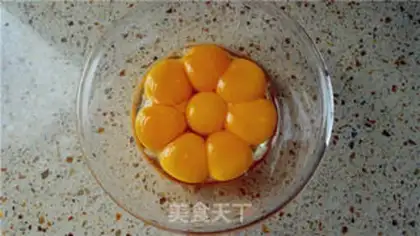
5
D MATERIAL READY. EIGHT YOLKS。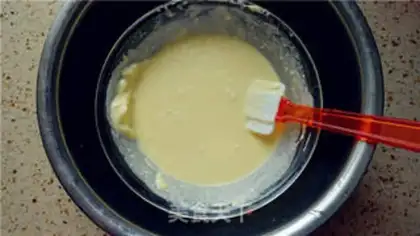
6
PUT THE ACE IN A DEEP BOWL. WATER INSULATION HEATS UP TO THE POINT WHERE THE PARTICLES ARE SMOOTH。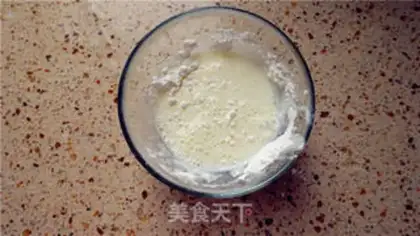
7
MIXED B MATERIAL EVENLY。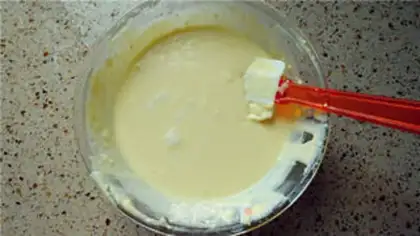
8
PUT THE MIXED B INTO THE SMOOTH CHEESE PASTE, SO IT'S SMOOTH。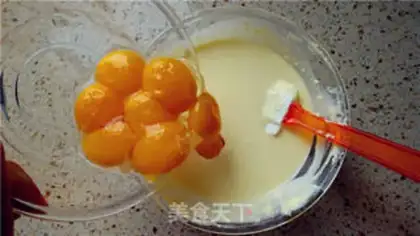
9
Add yolk in fractions, evenly mixed。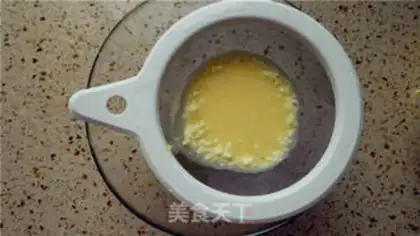
10
Noodles pasted twice。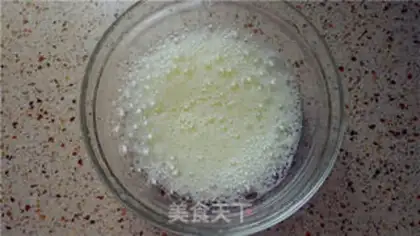
11
THE C-METEORIUM IS PUNCHED WITH LEMON JUICE INTO A BUBBLE。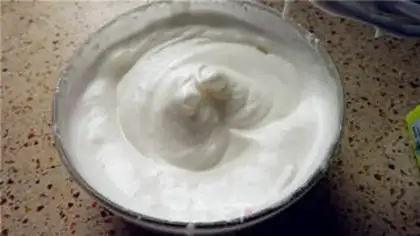
12
A combination of fine sugar and corn starch was struck to moderate humidity three times。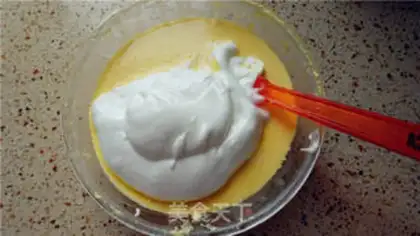
13
Take one third of the protein foam and mix it evenly into the paste, and then pour it evenly into the remaining two thirds of the protein foam。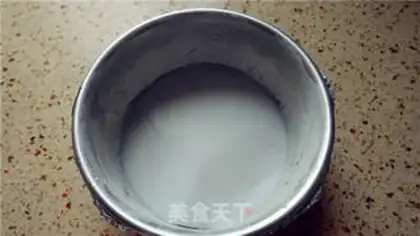
14
The mold will be wrapped in two layers of tin paper。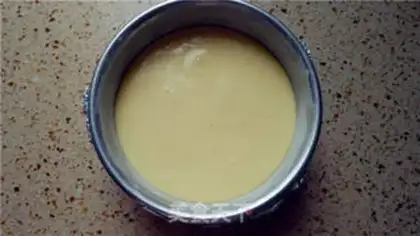
15
Put the face in the mold, shake the bubble。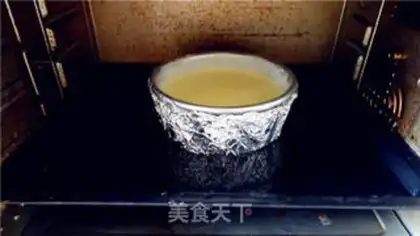
16
Put it in a pre-heated oven, and a bath is baked. 180 degrees 30 minutes to 150 degrees 40 minutes。Perfect cheesecake Make Tips
Common problems with light cheesecakes include: shrinking, cracking, a pudding layer, etc. Please be sure to pay attention to the following points; with care and patience, you will definitely be able to make a perfect cheesecake. *Solving the shrinking problem: Mold preparation. It is best to use a fixed-bottom mold because springform pans, even if wrapped in foil, can accidentally let water in. A non-stick fixed-bottom mold is the best choice. Before use, line the bottom with parchment paper and grease the sides with butter, dusting with flour to prevent sticking. This is very important; the cake will only rise and fall freely if it does not stick to the mold walls, otherwise sticking will cause the sides to warp. *Solving the surface cracking problem: On one hand, strictly control the temperature and time while using your own judgment. Excessive temperatures will cause the cake to crack. Additionally, the degree of egg white whipping is very important. This cheesecake requires the egg whites to be whipped to a soft to medium stage (slightly wet). This way, the texture of the meringue and the cheese-yolk batter is basically the same, making them easy to mix. Almost no cheesecake requires the egg whites to be whipped to stiff peaks, so be careful not to exceed the wet stage; this is an important factor in preventing the cake surface from cracking. *Solving the pudding layer problem: The most likely cause of a pudding layer is deflation. In the final step, when mixing the meringue with the yolk batter, the technique must be gentle and quick. Do not use a circular stirring motion; instead, use a folding motion. Use a spatula to lift from the bottom, making horizontal "Z" shapes or vertical "cutting" motions. Rotate the bowl with your left hand while continuously folding the batter from the bottom up until evenly mixed. *How to cut a perfect slice: Heat the knife over a flame before cutting the cake. After each cut, wipe the cake residue off the knife, heat it again, and cut the next slice; this will result in neat slices. A good knife is very important; Kai's wavy-edge knives are recommended.