White toast
By VicentaLakin

It's probably in the basics of bread from the Blue Ribbon College. It's made of bread flour. I don't have a lot of bread. It's got a lot of butter in it
Recipe Recommendations
- bread flour 260 grams
- eggs one
- pure milk 140 grams
- butter 30 grams
- salt 5 grams
- fine sugar 8 grams
- dry yeast 3 grams
Steps for White toast

1
The eggs are about 60 grams of shell, and before butter, the room temperature is softened
2
I'm rubbing my hands this time, and the flour pours into a big pot, and I add salt sugar, and I add eggs, and I mix it into milk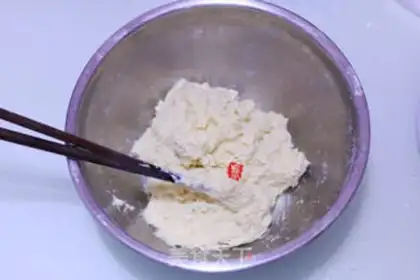
3
When you're dry, you're covered in film, you're cooling the fridge for at least half an hour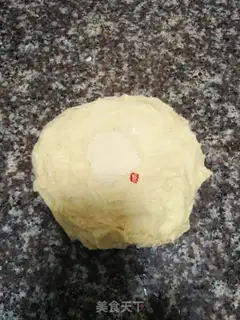
4
Refrigerated pasta take out, add yeast, and then go all the way
5
Slipped to smooth, softened butter added to the extension phase, continued to dizzle, dizzle, fall and fall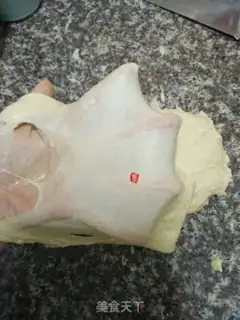
6
If you're in a full state, you can pull out a thin, tenacious muzzle
7
fermentation by rounding the noodles, covering the film, fermenting in the oven, fermenting in the balcony, fermenting in the nest the faster the ambient temperature, the lower the opposite, but not more than 50 degrees
8
When it's fermented twice as big, you stick a hole in it with your fingers and you don't turn back on the hole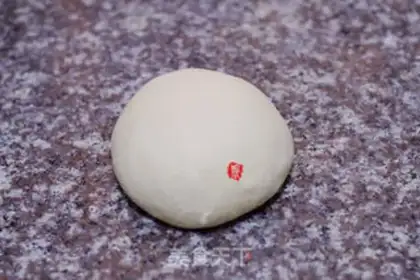
9
Get the noodles out of the flat air and roll round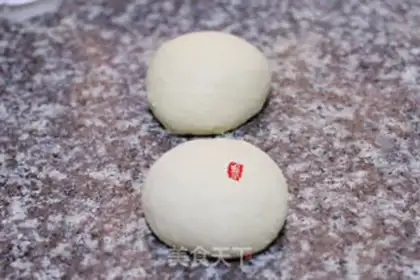
10
Split into two equals, roll round, cover the membranes loose for 15 minutes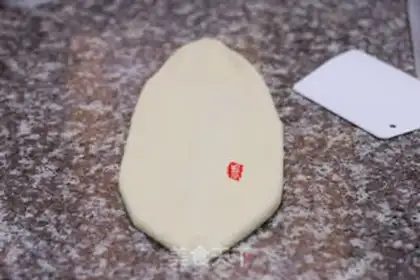
11
Take a noodle, shoot a few flours and grow a tongue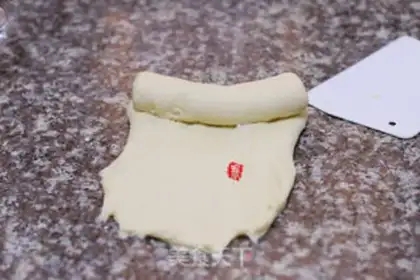
12
Turn the face, press the bottom, roll up and down, and relax for five minutes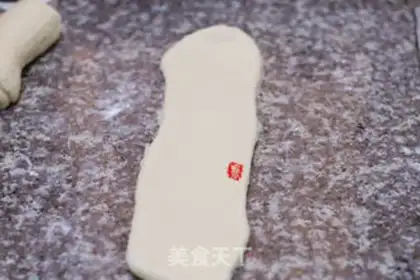
13
Quite a bit of flour. Put your mouth down and try to grow the square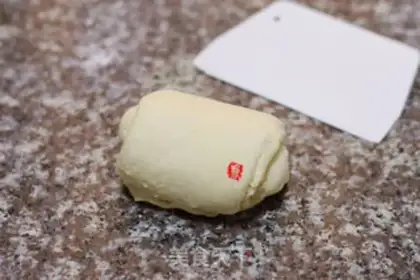
14
Turn over, press the bottom, roll up and down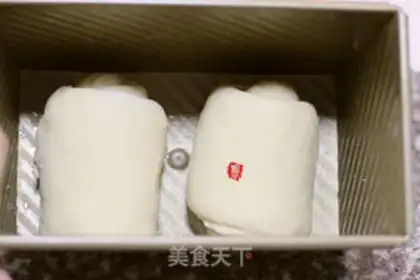
15
It's a trap
16
The fermentation to the mold is eight points full
17
A fermented toast cap, or no surface brush, egg fluid, sent to a preheated oven of 180, medium level of fire, 35 minutes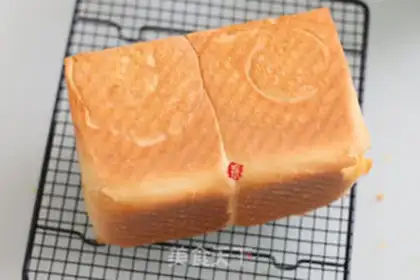
18
The roasted toast will be out of the oven, and the side will be cooled and ready to sliceWhite toast Make Tips
1. The longer the dough rests in the refrigerator, the more gluten develops, which can shorten the kneading time. However, this does not mean you can skip kneading entirely just by resting it for a very long time;
2. The low temperature of refrigerated dough inhibits the yeast from fermenting prematurely during the kneading process;
3: Toast differs from small buns; it requires sufficient gluten formation to encase and support the gases produced during fermentation. Therefore, the dough must be kneaded until it reaches the full development stage—meaning you can stretch it into a very thin "glove membrane" (stretching slowly in all directions), and the edges of any poked holes remain smooth;
4: The second fermentation requires higher humidity, so place a tray of hot water (not boiling water) in the oven to increase moisture. The second proof for this dough will indeed be slower due to the low sugar and high salt content; while using the oven's fermentation function can speed it up, be careful not to over-proof;
5: The baked toast must be removed from the oven immediately and unmolded while hot, then cooled on its side.