Homemade beans
By VicentaLakin
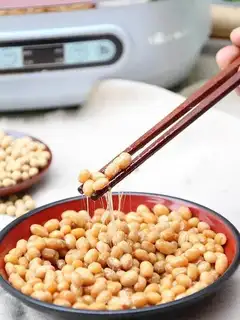
NADU IS THE TRADITIONAL FERMENTED FOOD COMMON IN JAPAN, MADE OF SOYBEANS FERMENTED THROUGH THE NAYA FUNGUS (FAST BACILLUS), WHICH IS ADHESIVE, NOT ONLY PRESERVES THE NUTRITIONAL VALUE OF SOYBEANS, IS RICH IN VITAMIN K2, IMPROVES THE DIGESTIVE ABSORPTION OF PROTEINS, BUT MORE IMPORTANTLY, THE FERMENTATION PROCESS PRODUCES A VARIETY OF PHYSIOLOGICALLY ACTIVE SUBSTANCES, WITH HEALTH EFFECTS IN DISSOLVED FIBRE PROTEINS AND OTHER REGULATED PHYSIOLOGICAL FUNCTIONS。
Recipe Recommendations
- soybean 170 grams
- white sugar 50 grams
- Bacillus natto powder 4 grams
Steps for Homemade beans
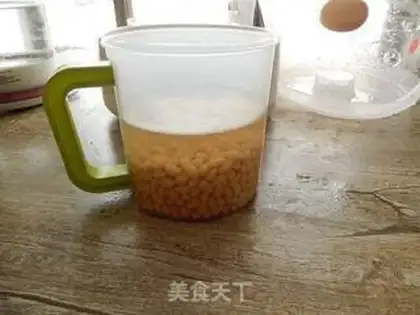
1
Beans wash and soak for 12 hours。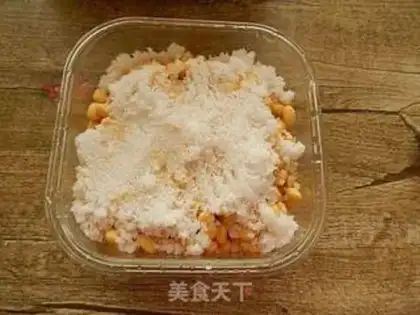
2
When impregnated, load the container with a layer of white sugar. No mixing。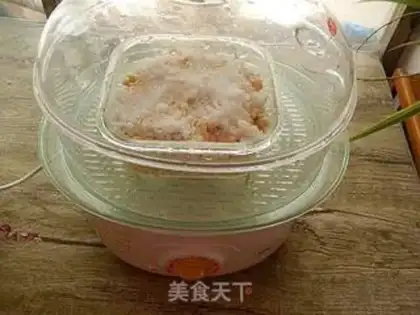
3
Get on the pot for two hours. The extent to which thumbs can crush. Spill it。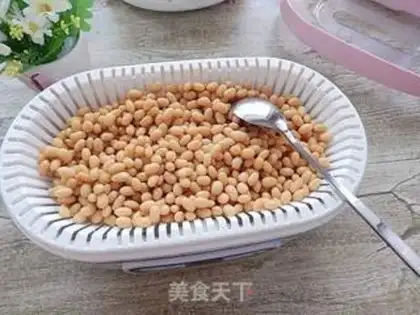
4
Steamed nanobeans are packed in special containers for nanobeans. Leach the water, no drops at the bottom。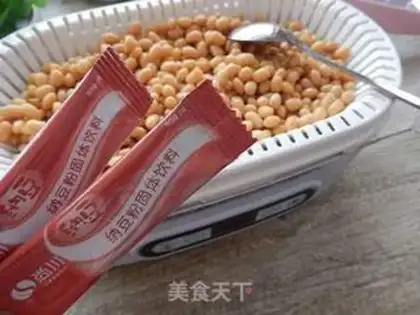
5
The beans are dry about 35 degrees, with about 15 minutes of access to the nanobean species. The use of bacteria can be done by means of instructions。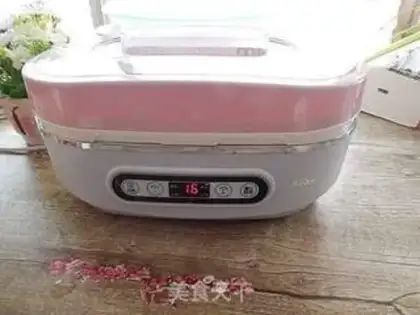
6
Put the beans in the yogurt and choose the nanobeans。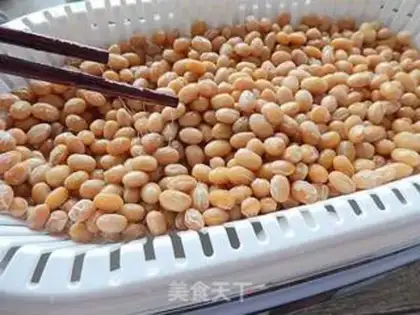
7
In 16 hours, the beans are ready to pull out the silk. Together with the containers, the film is sealed and frozen in the fridge for two hours, which is the period after Nadu is ripe。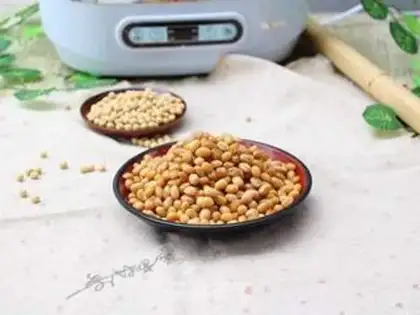
8
You can have some good beans with some raw, mosses。Homemade beans Make Tips
1. When inoculating natto bacteria, the soybeans must be cooled to between 38-45°C; if it is too hot, it will kill the natto bacteria. It is best to use a thermometer; if you don't have one, you can stick a toothpick into a soybean and test it against the pulse on your wrist.
2. It is still edible if slightly past the expiration date. The shelf life of natto is one week. During low-temperature storage in the refrigerator, it undergoes slow low-temperature maturation fermentation, and nattokinase and vitamin K2 continue to increase. However, although it is still edible after the expiration date, the natto bacteria constantly break down proteins to survive, resulting in a gradually increasing smell.
3. The usage varies for different bacterial powders; this bacterial powder does not need to be mixed with water.