Montblanc
By VicentaLakin
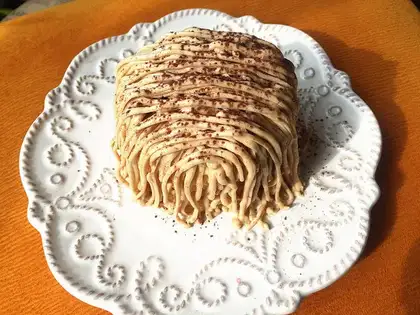
Montblanc is a French pastry made of chestnut mud. Introduction in French: French pastries made by Mont-Blanc using chestnut mud. Name: Named after the Everest Peak of Jun-soo Mountain in the European Alps. Montblanc's look is like Peak White, because the top of Mount Brandy is always snowed, the trees are brown in the autumn and winter, and the orthodox French Montbrone, and the chestnut cream outside is brown, with a lot of chestnut mud made out of chestnut butter, which is squeezed on the cake in a linear fashion, displaying the pattern of Montblanc cake。
Recipe Recommendations
- low-gluten flour 60 grams
- eggs of 4
- soft white sugar 70 grams
- butter 30 grams
- chestnut paste
- light cream 200 grams
- rum 20 grams
- sweetening
- baking
- several hours
- senior
Steps for Montblanc
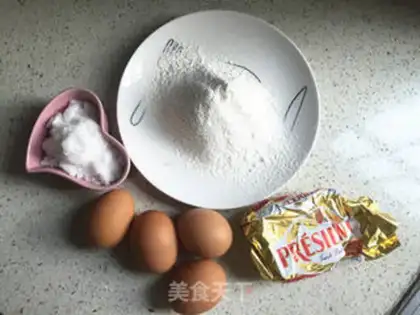
1
First ready to make the cake's main ingredient: 60 grams of low-weed flour, four eggs, 70 grams of fine sugar, 30 grams of butter。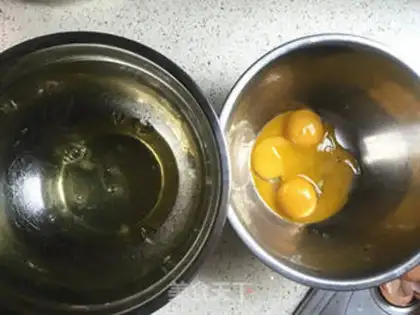
2
Separate the eggs from the yolk。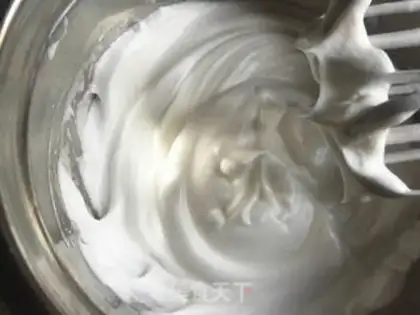
3
Add fine sugar to the egg cleaners and use an electric omelet to send dry hair bubbles (slowly lifting the omelet, which pulls out a straight angle)。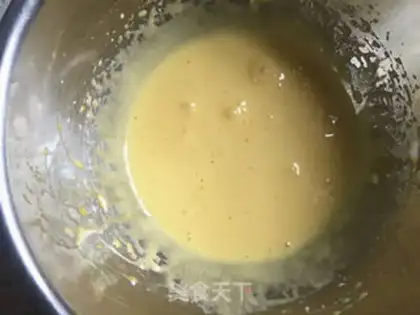
4
Splash the yolk to light colour and loose。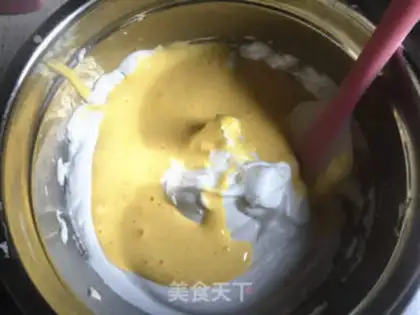
5
Pour post-terminal yolk into the egg clear, flipping it up from the bottom with a razor, mixing the yolk with the egg clear. The movement needs to be quickly and substantially rolled, so that the two can be quickly mixed and the bubble avoided。6
Low-banded flour sifted into mixed egg fluids. It was then immediately mixed with a razor to make the flour and egg fluid fully mixed into paste. The action is the same as the mixed yogurt so that it is as uniform as possible in a short period of time to avoid ablution。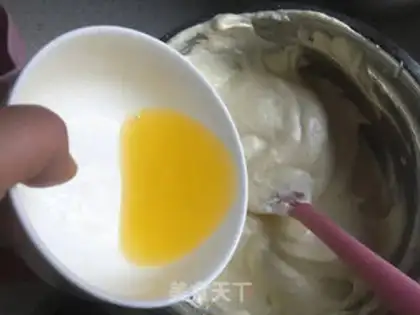
7
Influencing of melted butter in the paste (the butter can be heated with water earlier or melted into liquid with microwaves)。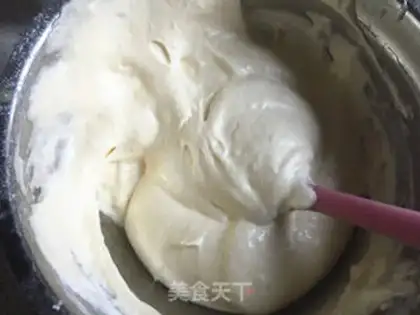
8
Again, it's even。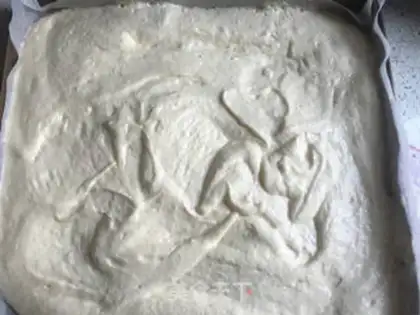
9
It's in a pan with oil on it. The ovens are preheated and burned at 180°C, baked for 13-15 minutes until the cake is fully activated, with a yellow surface. Plugged with toothpicks into the cake centre, and the toothpicks were removed without residue, which means they were cooked。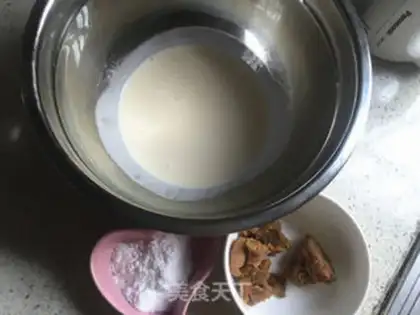
10
And then we're going to prepare the pie. First make cream pies, ingredients: 50 grams of chestnut mud, 150 grams of light cream, 15 grams of sugar。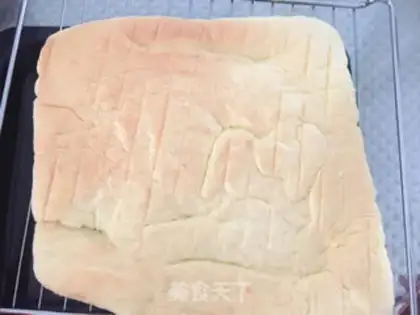
11
Take out the grill and lift the edge of the oilpaper and remove the cake from the grill. Rip out the edge of the oilpaper and wait for the cake to cool down。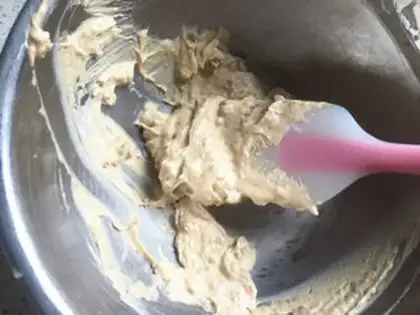
12
Add a little light cream to the chestnut mud first, while mixing it up and down. Until chestnut mud gets soft and smooth。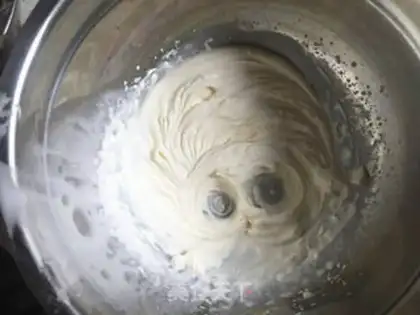
13
Add the rest of the light cream to the sugar powder so that it can stay clear and strong。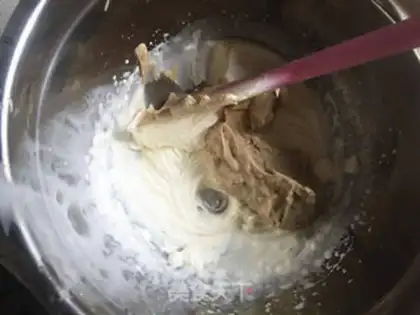
14
Add diluted chestnut mud to the light cream, which is quickly plattered evenly, and becomes a cream tart, filled with bouquets。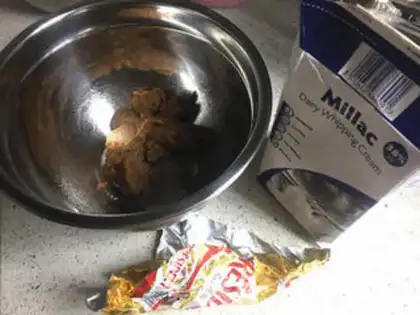
15
Finally, make chestnut pie. Pulp: 180 grams of chestnut mud, 50 grams of butter, 20 grams of rum, appropriate amount of light cream (regulated density)。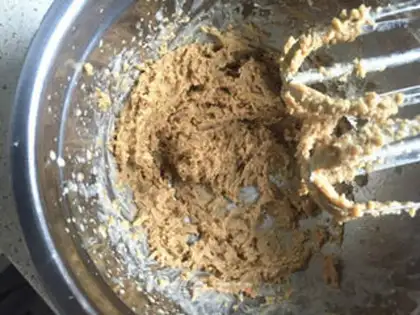
16
Add softened butter to the chestnut mud, tumbled it evenly with an egg-beater, and knocked the whole chestnut mud into a loose hair。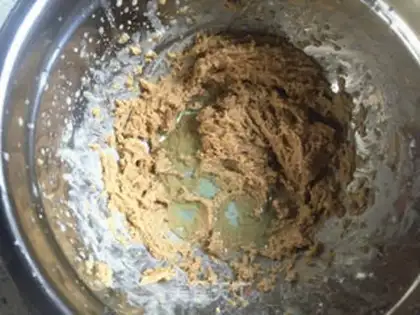
17
Join the rum, evenly。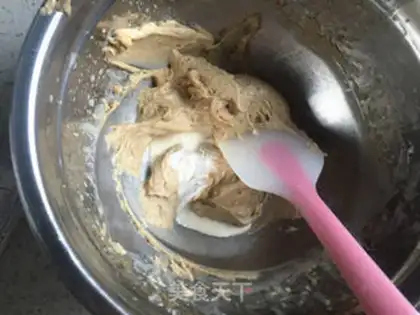
18
Finally, slowly add light cream to the chestnut mud。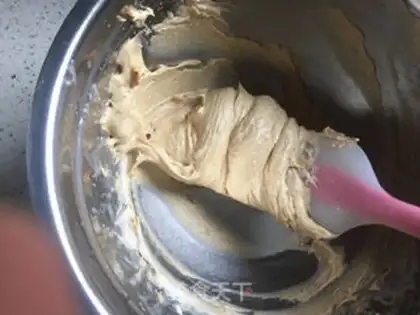
19
Adding the sides to mix and observe the density of the chestnut mud until it becomes very smooth. And then put it in a bouquet。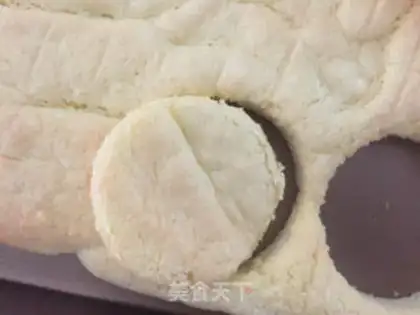
20
when the cake cools, tear the oilpaper off the back of the cake. and then you cut out a circle piece of cake with a circle of 4-6 cm diameter。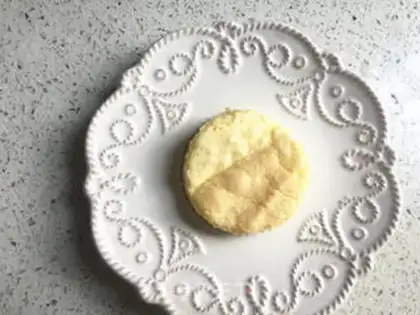
21
Take a piece of cake。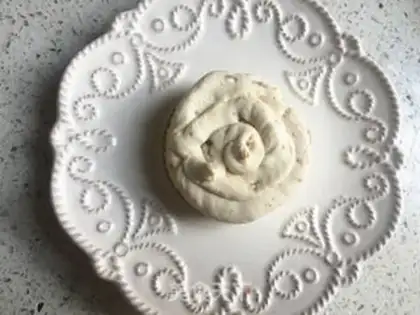
22
Squeeze on top of that cream pie。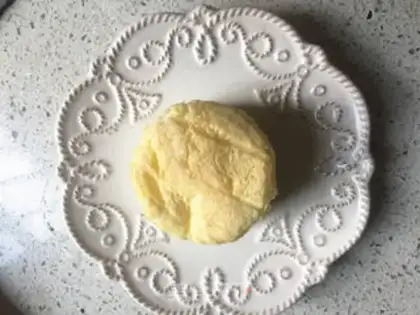
23
Put on the second piece of cake。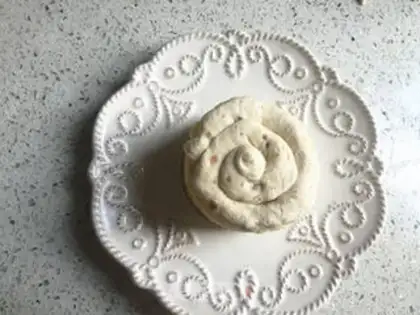
24
One more round of cream。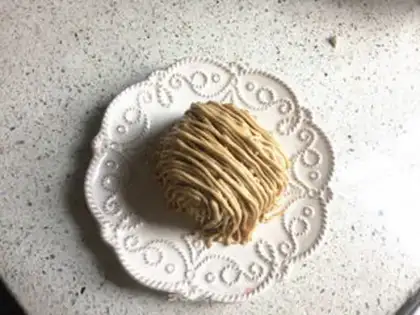
25
In the end, the chestnuts are packed in a lined manner on the edge of the cake, creating the classic Montblanc shape (a small hole in the front of the bouquet, which can be squeezed out of a lined chestnut pie, with a few permits to pollinate on the cake surface。Montblanc Make Tips
The most important thing about making this cake is the trick of flipping. Whether it's pasta or cream, there's a lot of flipping. When mixed, move quickly, substantially and decisively, and not over and over a long period of time, it causes bubbles。