Coarse grains made of wheat buns
By VicentaLakin
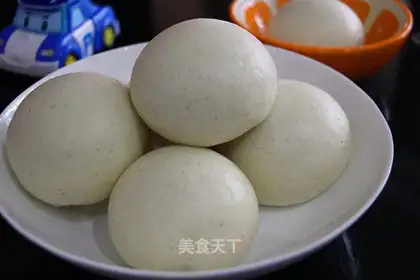
WHEAT ORIGINATED IN CHINA, WITH A LONG HISTORY OF CULTIVATION AND EXTENSIVE EXPERIENCE. THE FIRST GRAINS OF WHEAT WERE FOUND IN HAN CEMETERY NO. 4 IN SHAANXI XIANYANG BAY, MORE THAN 2000 YEARS AGO. WHEAT HAS LOW GRAIN PROTEIN CONTENT AND THE MAIN PROTEIN IS PROTEIN. WHEAT CONTAINS HIGH LEVELS OF LYSINE IN ESSENTIAL AMINO ACIDS AND LOW LEVELS OF LYSINE, AND AMINO ACID PATTERNS CAN COMPLEMENT MAJOR GRAINS (E.G. WHEAT, MAIZE, RICE LYSINE). WHEAT ' S CARBOHYDRATES ARE MAINLY STARCH. BECAUSE THE PARTICLES ARE SMALL, THEY HAVE CHARACTERISTICS THAT ARE EASY TO BOIL, DIGEST AND PROCESS COMPARED TO OTHER CEREALS. WHEAT CONTAINS RICH DIETARY FIBRES, WHICH ARE 10 TIMES HIGHER THAN THE AVERAGE FINE RICE; IT ALSO CONTAINS MORE TRACE ELEMENTS SUCH AS IRON, MANGANESE AND ZINC THAN AVERAGE GRAINS. B. VITAMINS, VITAMIN E, CHROMIUM, PHOSPHORUS, CALCIUM, IRON, LYSINE, AMINO ACID, FAT ACID, SUB-OILIC ACID, PYROLINE, SOUR ACID, SOUR ACID, SMOKY ACID, SMELT, AND SO FORTH, ARE TYPICAL COARSE GRAINS, WHICH MUST BE HARD TO SWALLOW. I'VE BOUGHT BARLEY FLOUR, WHICH IS THE BEST THING TO DO FOR A CHILD WITH HIS OR HER TEMPER, MIXED WITH FLOUR, TO REPLACE WATER WITH MILK, WITH A ROUGH TASTE OF OATMEAL, FULL OF WHEAT
Recipe Recommendations
- sweetening
- steamed
- several hours
- divine level
Steps for Coarse grains made of wheat buns
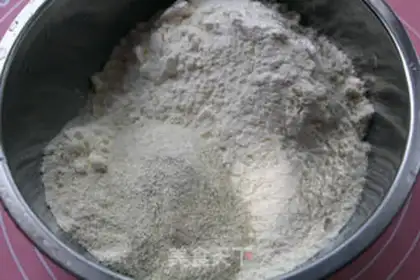
1
All the materials except milk, salt, sugar, and yeast don't get together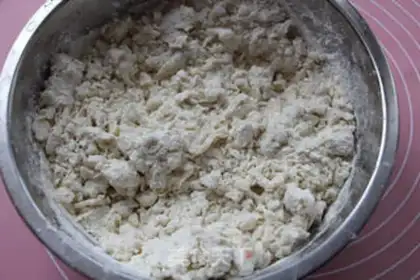
2
Join the milk and mix it with chopsticks. Status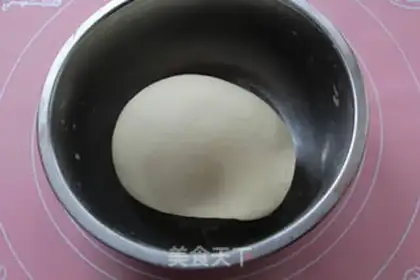
3
Slipped into smooth, un sticky noodles, whose failure directly affects the softness of the buns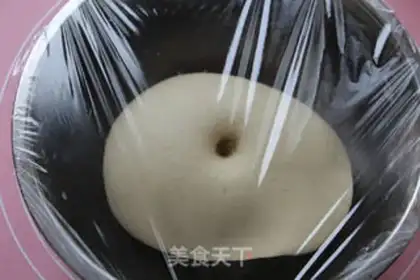
4
Covered with a film, fermented in warmth, three to five hours in winter, half an hour to an hour in summer, 25 degrees today, and fermented for more than two hours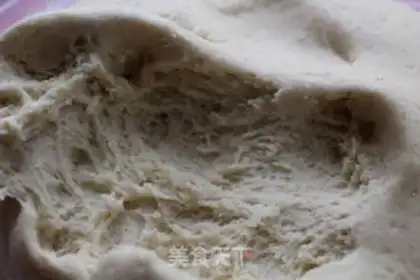
5
The success of the fermented cuisine inside, well organized, fermented also directly affects the softness of the buns, and the winter cold can try to turn on the air conditioning, the heating, the warm cover, etc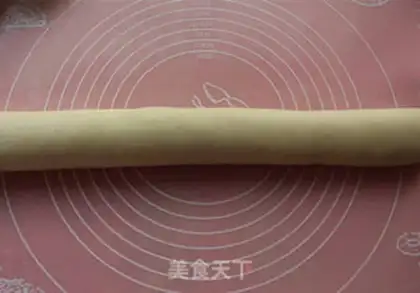
6
Noodles are rearranged, exhausting, if sticky hands, soak flour and sticky hands. And then we'll spread the flour, we'll rub it in a flat strip, and we'll split it into a little one of the same size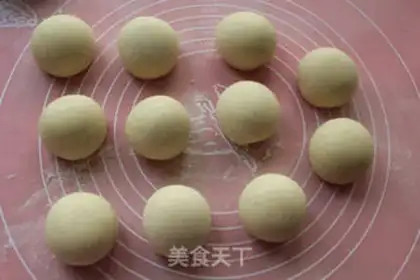
7
Every little agent pulls at the end of his hand, rubs his face around and turns it into a circle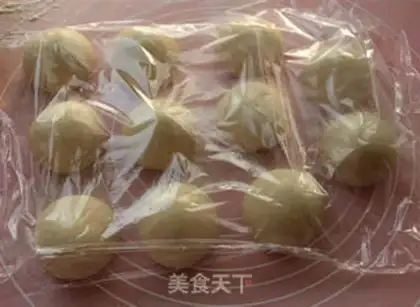
8
Once again in the warmth, cover membrane fermentation for half an hour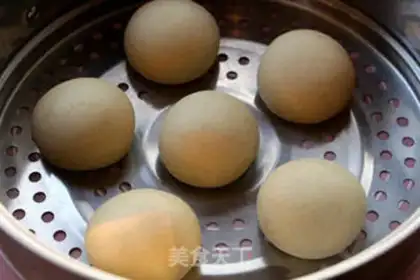
9
When the second fermentation is almost complete, boil water in the pot, and the buns are ready to go into the steam cage, and when the water's out, it's going to steam in the pot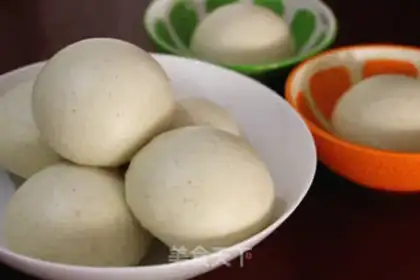
10
We'll wait for the water to burn open the steam cages in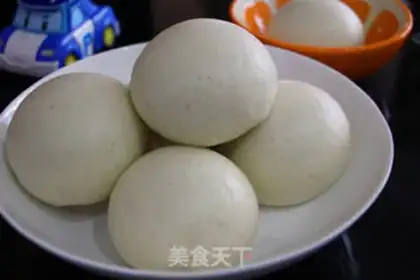
11
Turn off the fire after time. Don't rush out the buns. Don't open the lid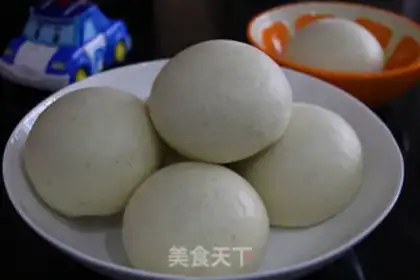
12
Done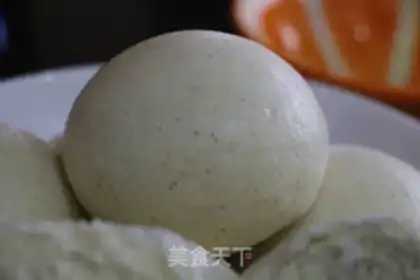
13
Done