Chinese buns
By VicentaLakin
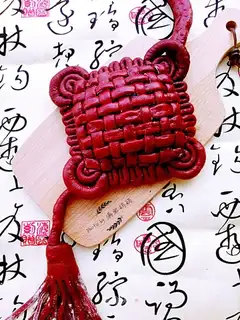
The Chinese knot is a Chinese-specific hand-weaving craft that displays love and wisdom as one side of the ancient Chinese civilization. Because of its symmetrical appearance, it represents a long history of China and is in line with Chinese traditional decorative customs and aesthetic concepts, it is named the Chinese knot. Not only is China's matrimony beautiful and colourful, but all of these things, such as “Gay Qing is more than there”, “Faith for life”, “Thousand for life”, “Gay for peace”, “Way for luck” and “Way for peace” and “Way for peace” together with China, express warm and rich blessings, as well as praises and good words of sincere prayer and desire. Spring Festival is a traditional Chinese holiday, with Chinese knots in its streets and alleys, and the red Chinese knots carry a strong taste of the year. It represents unity and happiness, so it is an essential decoration for the festival and is very popular. Today, I mixed red chords of rice into flour and made a Chinese-shaped bun, wishing you a happy and happy year。
Recipe Recommendations
- flour 300 grams
- yeast powder 3 grams
- red yeast rice powder 1 scoop
- qingshui appropriate amount
Steps for Chinese buns
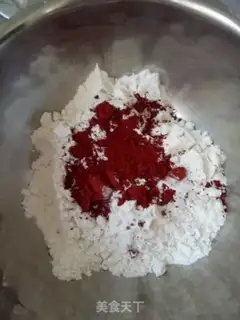
1
Add a spoonful of red rice to the flour。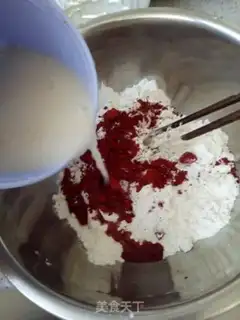
2
Dissolve yeast powder into an appropriate amount of hot water, and then add flour and red chord powder to the mixture。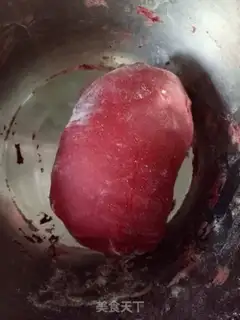
3
Smash it gently with chopsticks and then rub it with your hands into a soft, hard-and-sweet tris。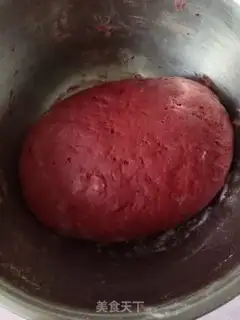
4
Put the lid on it and ferment it in warm places for more than an hour to twice the size。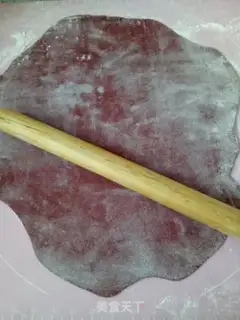
5
It is removed from the face, which is sufficiently smooth, and then in a thin, balanced form。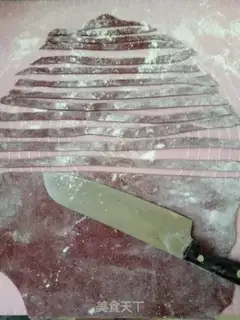
6
Cut into even noodles with a knife。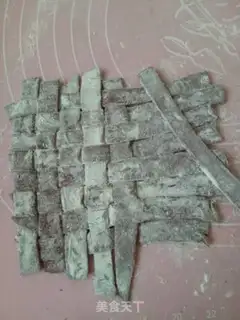
7
Take a proper number of noodles and make them cross-cut。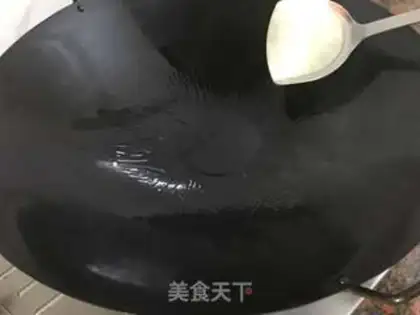
8
It takes patience, and then it's sorted out slightly。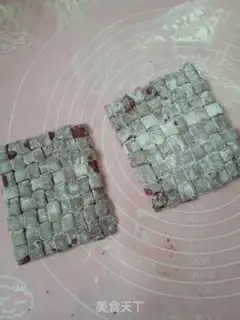
9
And a square of the same size, cutting off the excess edge, can be coated with some water on the corner。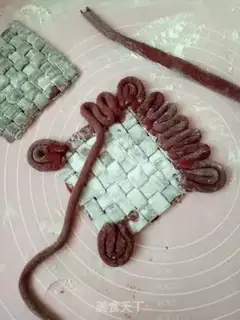
10
The squares of one of the woven grids are laid first, and the proper amount of the face is drawn into thin strips, such as a little more than one or two of the “tie” around the four corners。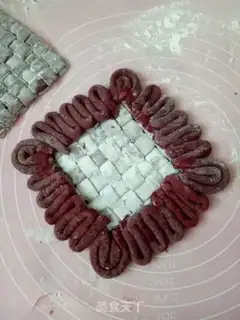
11
All around, no gap。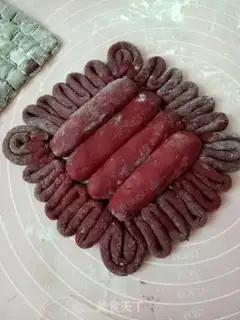
12
Fill the middle with an appropriate amount of noodles, which would appear to be full, so that the middle would not collapse after the evaporation. I'm making a bun and I can fill up the soy sauce and make a Chinese soy bag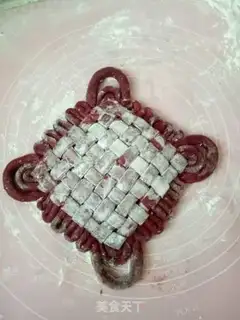
13
And overlay the square of another woven grid, so that you can brush some water and glue it. (I feel like the "Lands" on the four corners are a little small, so I'm going to add a circle to the four corners on a temporary basis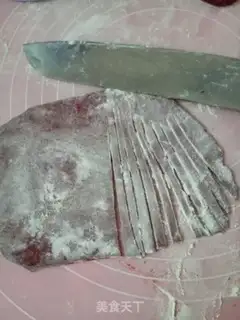
14
Then they shall make ears, and they shall take a proper amount of them into thin pieces, and they shall cut them with a knife, and they shall not be cut off from one end。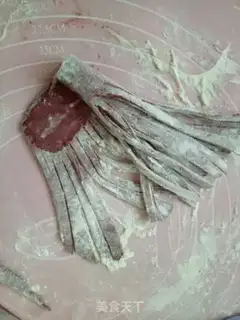
15
Put some water on it。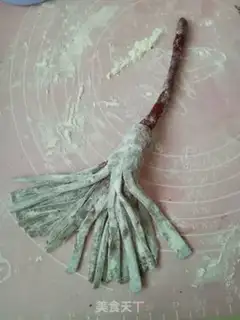
16
Don't forget to put a noodle in the middle of the roll。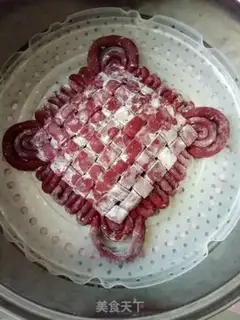
17
China put a lid on the steam pot for a while。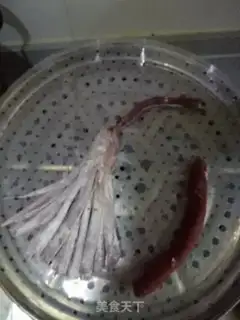
18
China's ears and the ropes above which are used (a thin, moderate face) are put into the steam pan, and the lid is put on for a while。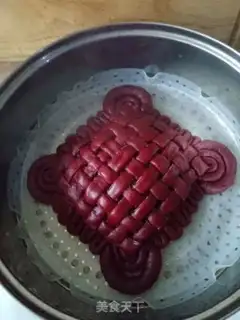
19
The fire evaporated for 25 minutes。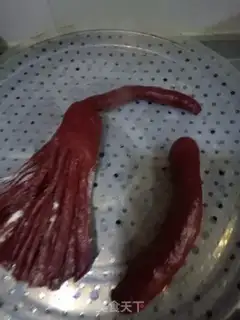
20
It's two or three minutes after the fire is shut。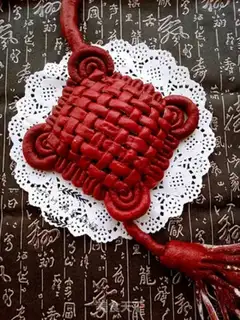
21
It's a beautiful Chinese knot。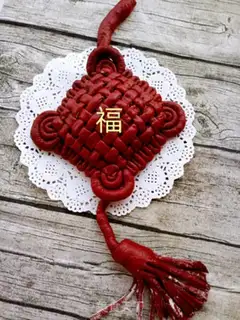
22
I wish you all luck in the new year。Chinese buns Make Tips
Weavers need patience and more dry noodles, otherwise they stick together。