The date
By VicentaLakin
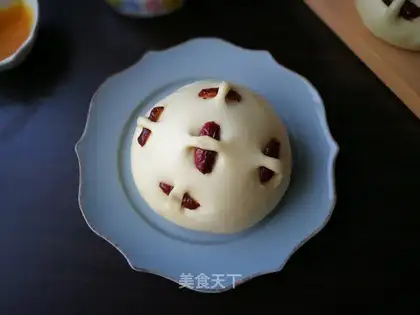
Every year, the Cactus region spends almost every one of its households steaming a boiled date. According to the mother-in-law, almost all the men and women who were in the family were involved in the physical work of making faces. It's nice to have a bouquet in place. A big pot is made at a time, and relatives can be divided between relatives in the New Year. Grandma made beautiful dates, so I learned. The date-palms are the kind of buns that are characteristic of the Cactus peninsula and are the offerings used by the late Cactus to sacrifice their ancestors. In the past months, the people's homes have been rushing to steam their rags in order to protect their ancestors for the next five years. The platinum is made of fine white flour grafted from that year, with good gold date, the beauty of the finished product, the radiant date, and the work of the representative of the glacial paste。
Recipe Recommendations
- flour 500G
- qingshui 215g
- yeast 3g
- ash jujube 5 stars five
Steps for The date
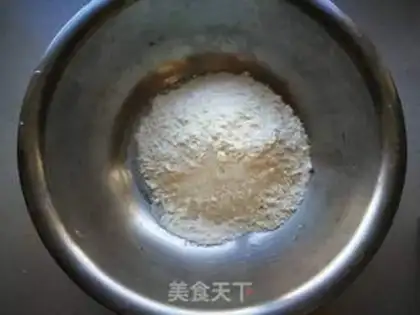
1
Put flour in the food basin。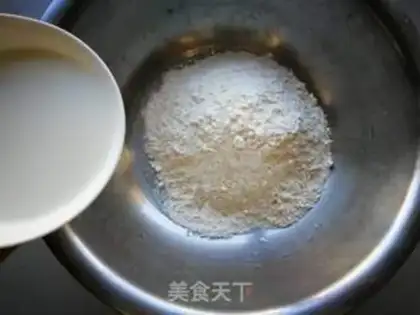
2
The warm water melts the yeast, then the yeast slowly pours into the flour and mixs it。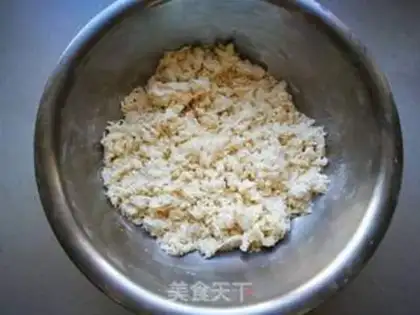
3
Smash it into a stale form。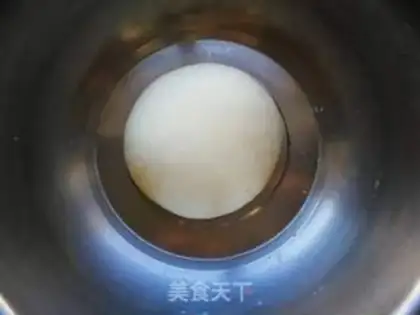
4
And become a smooth face。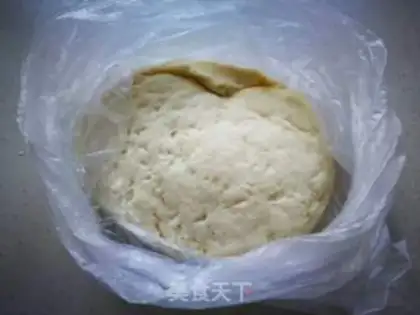
5
The first fermentation took place in the warmth, and the first fermented twice as large。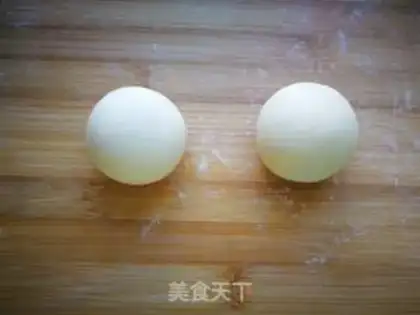
6
Take out the noodles, press pressure exhausts with your hands, and add an appropriate amount of dry flour to be smoothed. Split the noodles into small pieces, each of them being evenly balanced。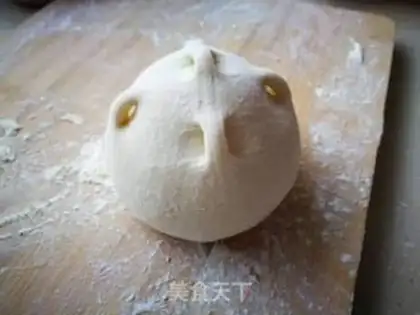
7
Squeeze a small nose with a pair of thumbs。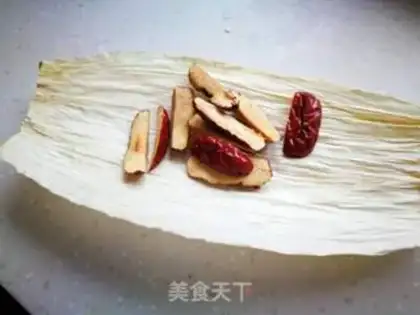
8
After the date went to the nuclei, it was cut vertically into small pieces。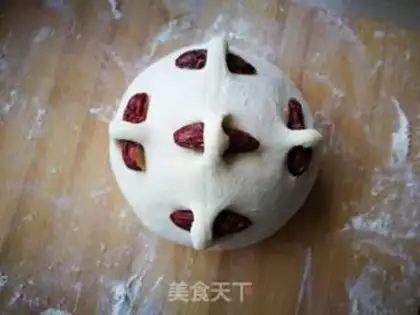
9
Put the red dates in the nose。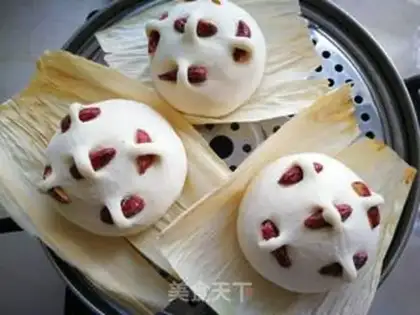
10
Put it in the steam pan for double fermentation. After the fermentation, the fire started burning and steamed for 20 minutes。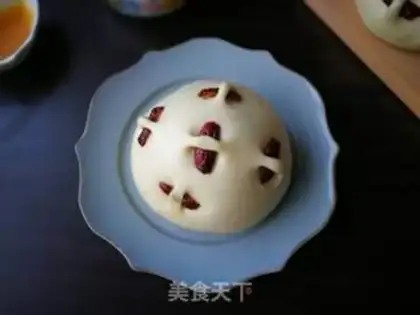
11
There's a big difference between the taste of tweezers and the taste of buns. The buns are even more loose in Gabon, and the taste of the tummy is even more intense。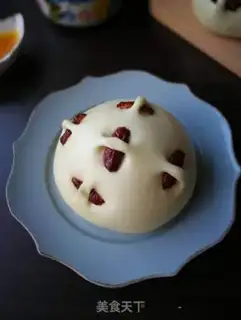
12
A little red-tree taste is different and can be considered a staple。The date Make Tips
1. After the first fermentation, a proper amount of dry flour is added in fractions, and the flour is smoothed again. This is different from making buns. 2. When it's ready, don't start the pot。