Eggstick
By VicentaLakin

This formula was taught to a nun sister, and the lusophone is really super simple. This recipe can be made of 42 egg plasters
Recipe Recommendations
- egg yolk the 12
- cheese powder 100g
- raisins appropriate amount
- sugar 50g
- powdered sugar 10g
- butter 80g
- milk 450g
- condensed milk 100g
- water 250ml
- canned peaches appropriate amount
- strawberry appropriate amount
- high-gluten flour 60g
- Marqilin tablets 360g
- light cream 450g
- low-gluten flour 45G
- salt 3g
- sweetening
- roast
- several hours
- ordinary
Steps for Eggstick

1
A lasagna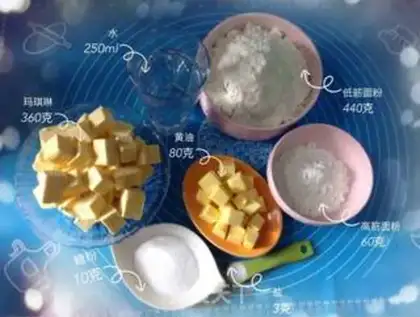
2
Soothing material is ready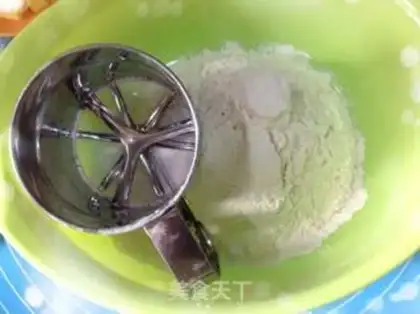
3
Low-banded flour, high-banded flour, sugar powder, salt, sift mixed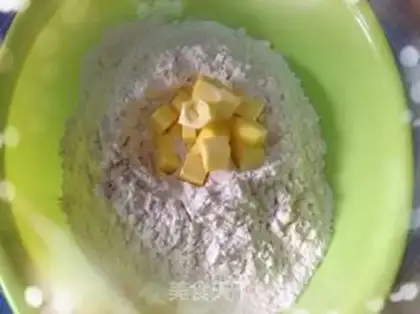
4
Butter room temperature softened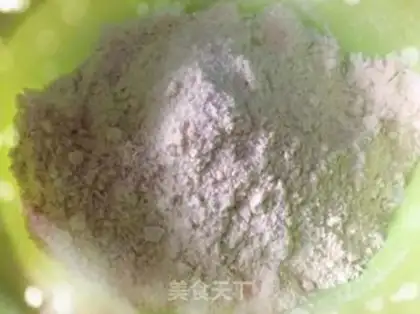
5
Butter mixed with flour, dispersed into wet powder particles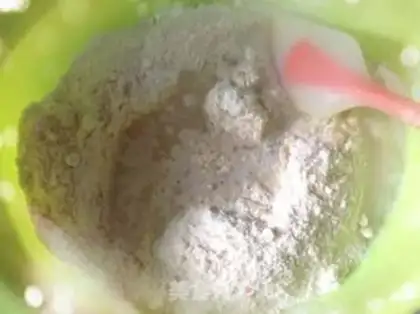
6
Add water to mix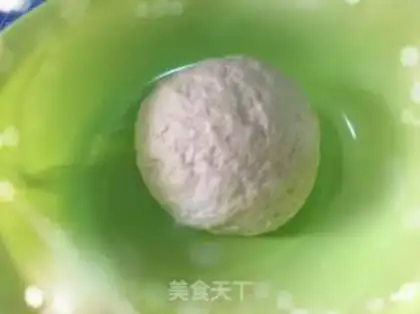
7
Put the water and the face on the surface and make it a smooth paste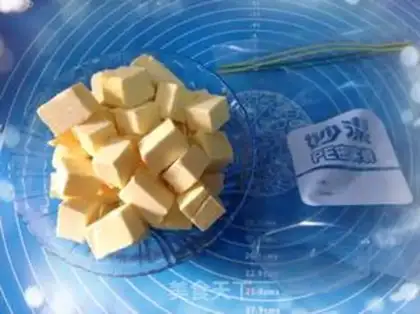
8
Margeline's room is softened. Get a sealed bag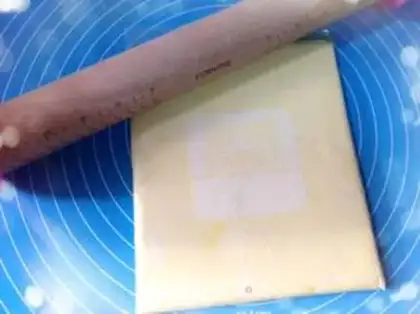
9
Put Margeline in a sealed bag, drain the air, seal it up, stow it in the face, freeze the fridge for five minutes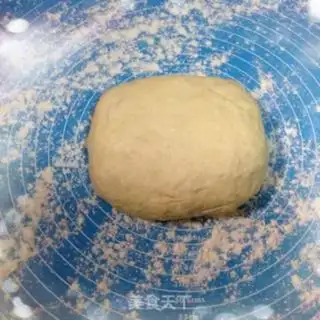
10
Put the powder on it and take out the loose noodles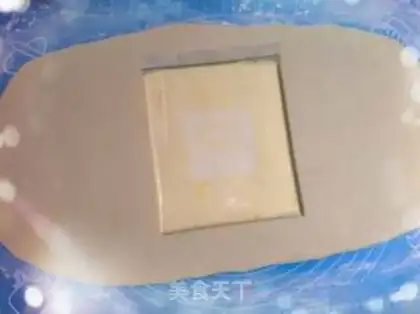
11
Noodles grow into squares with a stick, about three times the size of the Margeline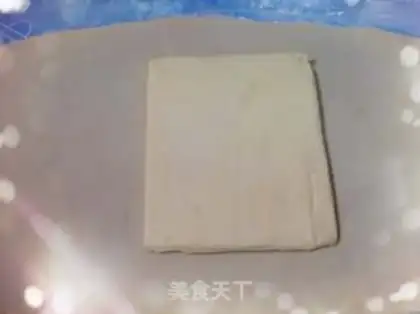
12
Put Margeline in the middle of the skin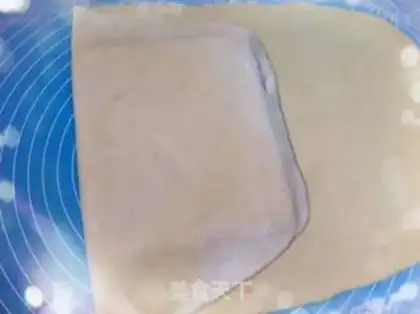
13
As you can see, use the skin to wrap up Maggie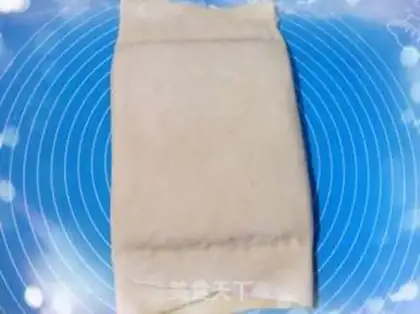
14
When you cover the skin, squeeze out the skin and the air inside Margeline, press open the mouth, lock Margeline, and prevent the bottom of the lid. It's broken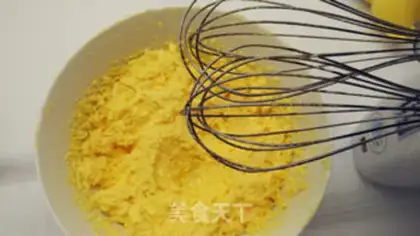
15
(1) Keep growing the noodles, it'll be fine, it'll be fine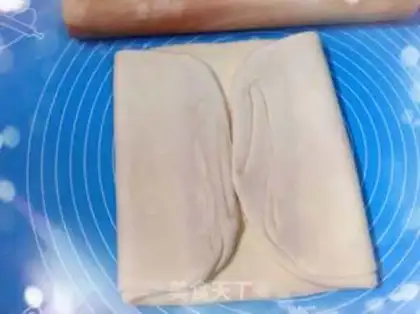
16
(2) The good face group is divided into four pieces, folding the sides to the centre, as shown below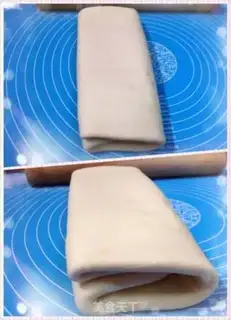
17
(3) Continue to fold the face, as shown (for a total of 40 points)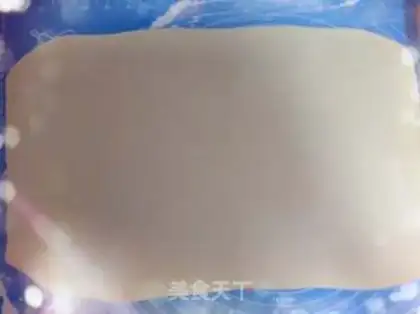
18
(4) Growing the folded skin, length and thickness is almost possible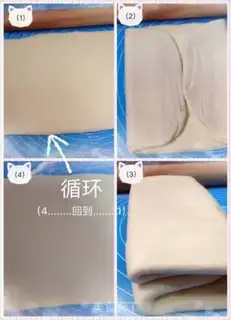
19
The cycle repeats (1), (2), (3), (4) four steps to four times (note! If you feel softer on the sidewalk, it means that Maggie is softened, so stop the face, put the face in the freezer and restore the hardness of Maggie, and then move on! Otherwise, Margeline will be able to integrate into the noodles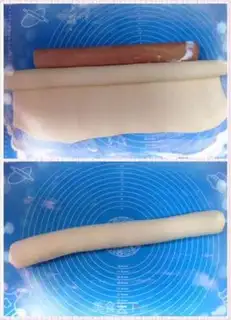
20
After four times of folding, roll the skin, wrap it up, and put it in a spare
21
It's called egg cream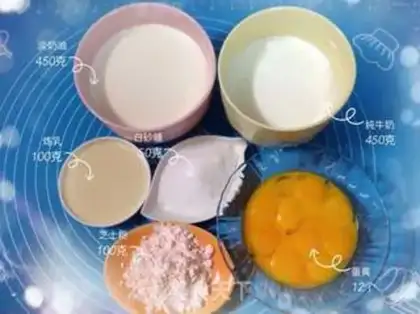
22
Get the material ready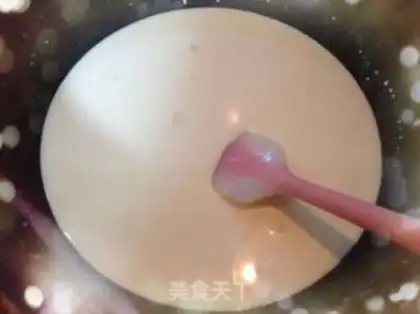
23
Combination of light cream, milk, white sugar, milk, cheese powder, pouring in, heating, mixing to melt to white sugar, cease fire, cooling down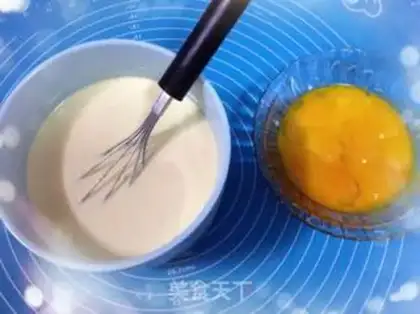
24
The milk is cooling to room temperature. Open the eggs, separate the yolk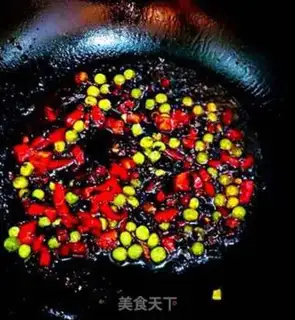
25
It's full of yolk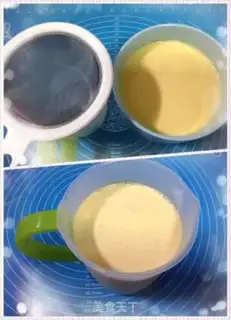
26
Sifting up a good egg cream, removing the foam from the surface, covering it up for the fridge
27
You can finally start making eggs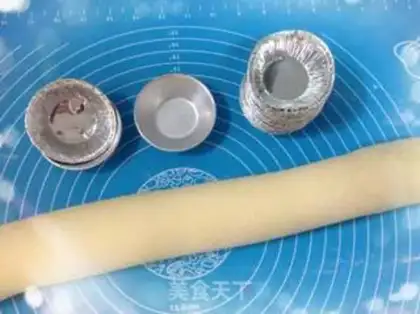
28
Get the lasagna out of there, and put the egg molds and the lump-sum. Take out the tin platinum. The one-time egg platinum is on the egg platinum! Take it out. It's easy to unfreeze it at any time! And one-time tin-paper models can't work. They can be deformed. It's a nun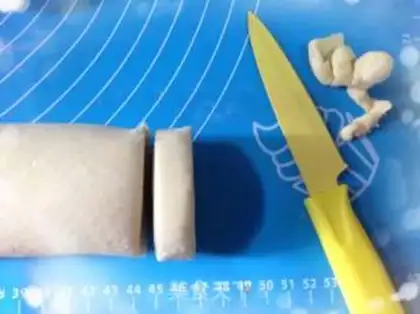
29
cut the lasagna to 1.5 cm thick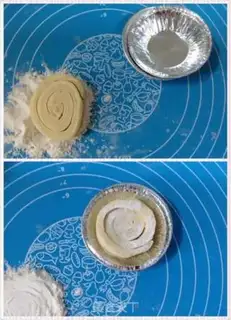
30
On one of the flours, on the flours, on the tin-paper models with the egg tatters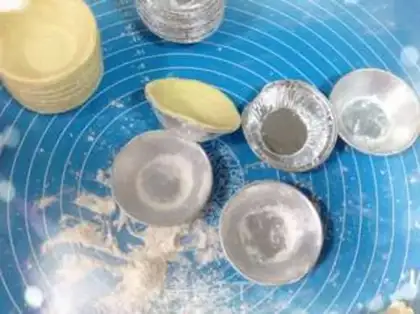
31
Pressing the face of the pressure with two thumbs to the full tin sheet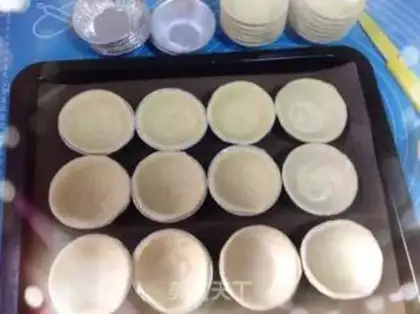
32
it's a good egg skin cortex in the grill, so it doesn't shrink when it's baked, and it's easy to squeeze the egg cream out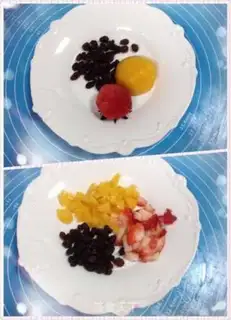
33
When you're using the egg twigs, you start preparing for the trap, with strawberries and walnut cutlets, and with wine for the raisin! The egg-tip trap is a personal preference. I've got walnuts and strawberries, and this time I've made three flavors. I like salt, I don't put sugar and milk in my egg cream, I can change it to salt in the right amount. There's plenty of salt in it. But it's yogurt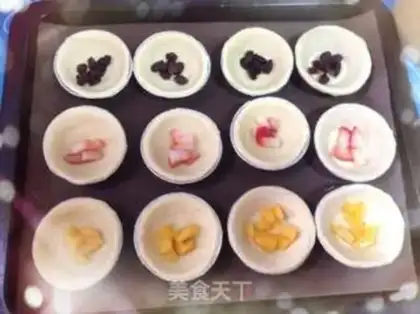
34
Put the material on the bottom of the egg pelvis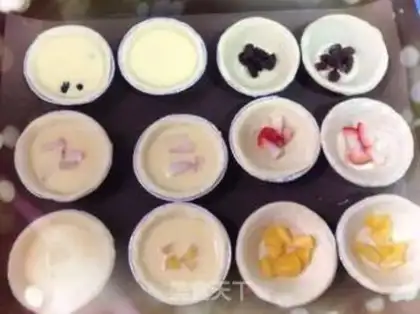
35
Take your time and pour into the egg cream. You can use it without unfreezing it. Don't pour it. It'll swell when you're baked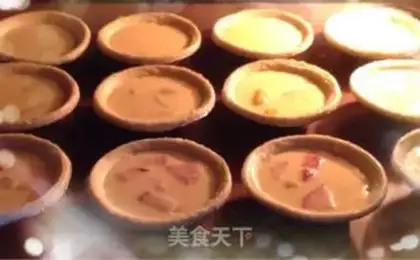
36
220 degrees preheat on the oven for five minutes. put it in the omelet, middle, 200 degrees up and down. 20min
37
I'll make it yellow on the surface
38
Okay, can we eat。