Cranberry Sakima
By VicentaLakin
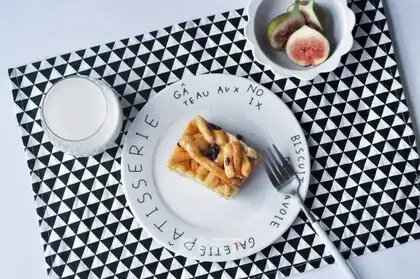
Sakima, also known as Sakima, is one of the foods of Manchuria, one of the offerings of the Qing Dynasty, which was meant to be "dog milk sugar." When the noodles are cooked, they are mixed with sugar. Sacima has won the love of its soft and sweet, improvisation. I've loved it since I was a kid, but it's not hard to do it myself, and it's better than selling。
Recipe Recommendations
- ordinary flour 230 grams
- eggs 160 grams
- baking powder 4 grams
- water 50 grams
- the cranberry 30 grams
- corn oil appropriate amount
- white granulated sugar 120 grams
- maltose 140 grams
- corn starch appropriate amount
- sweetening
- fried
- three-quarters of an hour
- ordinary
Steps for Cranberry Sakima
1
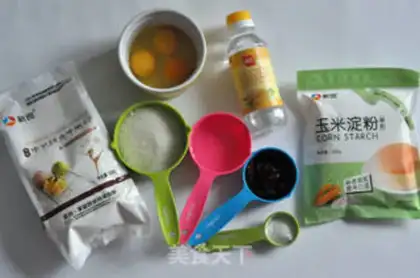
Preparation material。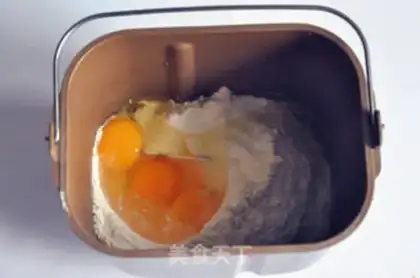
2
Flour, powdered powder and eggs were poured into the bread drums。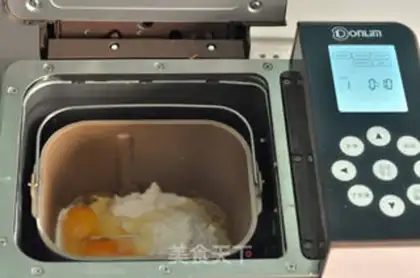
3
Ten minutes to turn on the bread machine and the face program, and if there is no bread machine, the face can be rubbed manually, and the rub will stick a little, with some corn starch on the hand。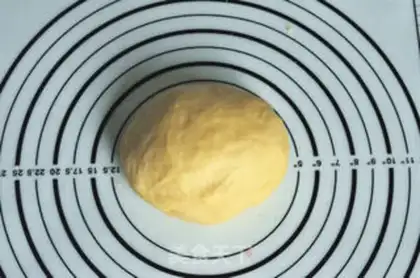
4
Scratch a smooth face and take it out。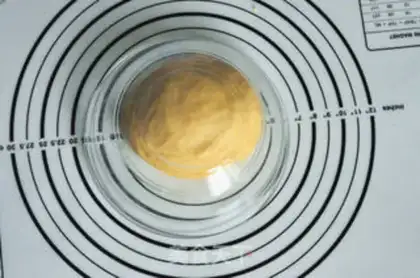
5
Cover a glass bowl or spare membrane for an hour. Give the noodles enough time to remain silent for the back。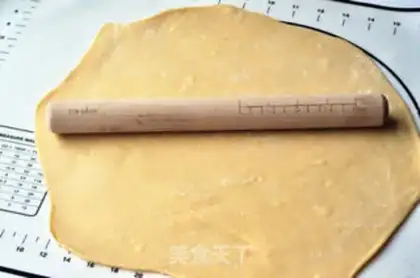
6
Opened the face of the noodles to 3-4 mm thickness。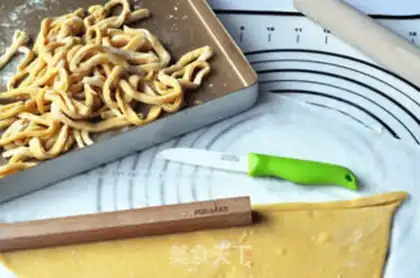
7
Cut into little strips, cut in good strips with a little corn starch adhesive。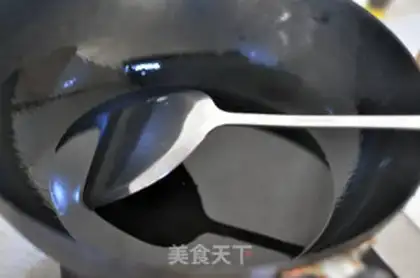
8
Oil in the pot, burning to seven。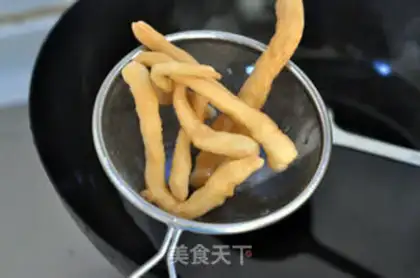
9
Blow Shakira to light yellow and get the backup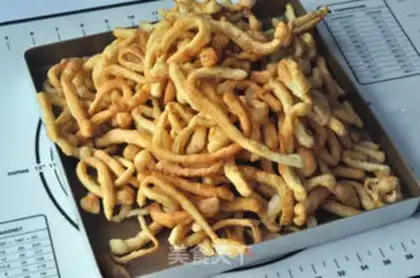
10
It tastes good too。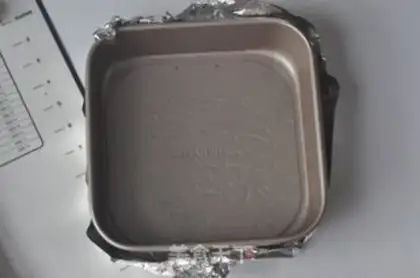
11
An 8-inch square working-dependant mould is removed and a layer of corn oil is painted on the inside of the mould to facilitate post-modulation。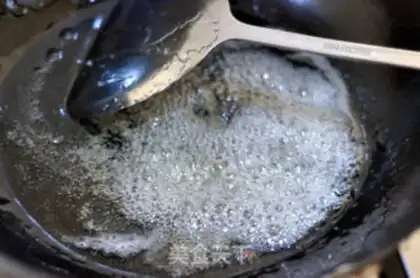
12
Water, sugar and malt sugar are poured into the pot, and the small fire is slowly prepared, during which time it is mixed in order to prevent the bottom from coming out of a thick bubble。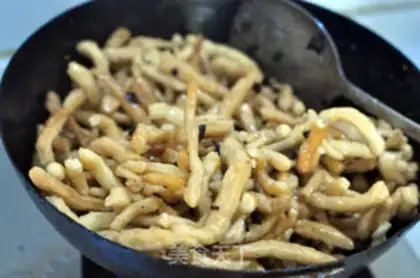
13
At this point, the sakima and cranberry were poured into the pot, and the sakima and cranberry were turned over, so that every sakima could stick to the syrup。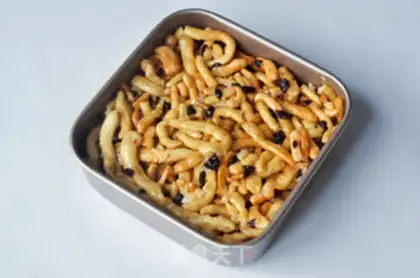
14
Sakima, which is mixed with syrup, is quickly pushed into the mold, covered with oil paper, pressed as hard as possible to keep it as tight as possible to ensure that it is flat。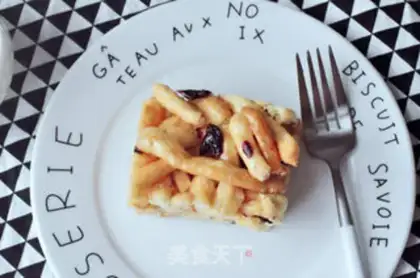
15
Once the temperature is gone, the cut will be taken advantage of。