Cleaning up the shoals
By VicentaLakin
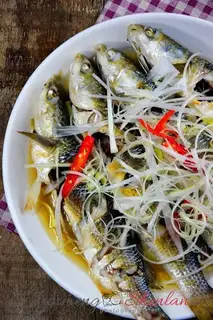
When the warm sun of spring lays over the sea, as thin ice began to melt, a winter-slept pike became active again, when the fish caught in the sea used to be called “spread-over”, the first species to be caught after spring, with the reputation of “first in spring”. Possibilities, which are ferocious and intrusive, are known for their large size (which can be up to 1.8 metres) and violent shape. The bodies of the pikes are long cylindrical, sharp mouths, large jaws, head-to-heads and prominent canine teeth. The back fins are separated, with five needles on one side and a needle and nine radioactive lines on the other, with a clear line across the body. Consorts, commonly used for the economic consumption of fish in the Hound Sea, are mainly found at the confluence of brackish freshwater in the estuary, fed by micro-organisms in the submersible mud, laid eggs near the estuary in March/April in the spring, and juvenile fish often survive at the estuaries of the estuary, making them one of the main targets of fish breeding in seaports. As the first fish to fish after the melting of the ice cream, it became known that the gypsies had the following: “Eat the aquarium, rarely said”, saying that after the spring season and until dawn, it was a good time to eat a puck, and that the pucks were not only allowed to fish in the spring, but only in June and July, it was soft, and there was a smell of dirt at the entrance, far from the beginning of the spring. In winter, the porpoise survives in the deep sea and is largely food-free and dependent on the consumption of its own fats to sustain life, so the abdominal bourbon, impurity, tender meat and, in spring, the best time to eat a porpoise. Pikes tend to live in estuaries and bays, are lively, are good at jumping, tend to travel in retrogression, and mainly eat microbes from sub-water mud. In winter, when the temperatures are low, the swarms dive into the deep sea, and the slobbers in hibernation are rarely fed. As the temperature rises and everything recovers, the shoals swarm into the bay to feed. By mid-April, the shoals begin to lay eggs near the shore and grow there. In the summer, the water on the sea rises, and at this point the pike swims to the depths and waits for the autumn to cool and swims back to the shore. There are many ways to eat the porridge, and people on the beach prefer red fever or soy sauce, and, although they have a good taste, they lose more or less the taste of raw juice when they enter cooking. I prefer the practice of steaming, and to a greater extent the smell of the pike。
Recipe Recommendations
- sea barracuda art. 4
- green onion appropriate amount
- red pepper appropriate amount
- ginger appropriate amount
- peanut oil appropriate amount
- soy sauce appropriate amount
- salty and fresh
- steamed
- ten minutes
- senior
Steps for Cleaning up the shoals
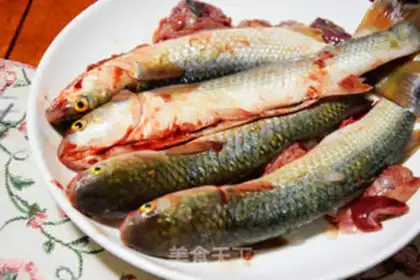
1
Pikes remove impurities from the belly and clean up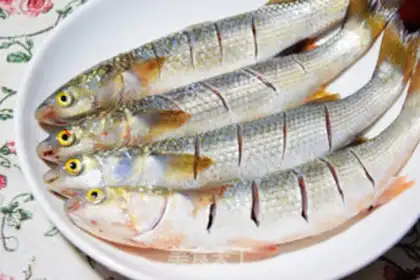
2
- Type a knife on both sides of the fish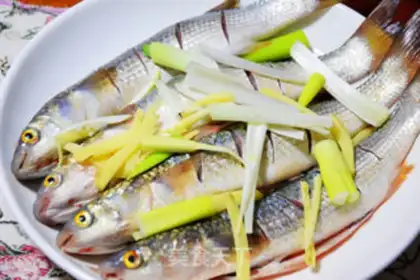
3
(a) Take a large plate, with onion silk and ginger silk on the bottom, and then put the fish on it, and also put ginger and onion on it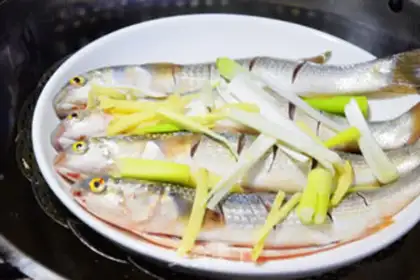
4
(a) The steaming pot will be boiled into the steam pot for eight minutes, and the good fish will remove the onions and ginger from the fish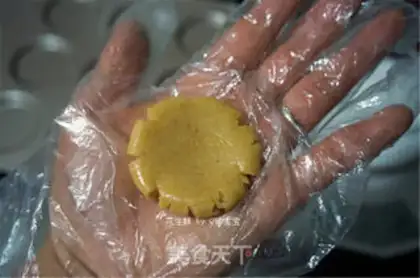
5
In eight minutes, the fish will be removed, onions and peppers and gingers will be placed on the fish, and another pot will be added to the groundnut oil to burn to the fire, while hot oil will be poured into the fish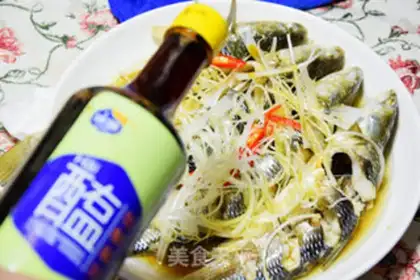
6
Finally, you can eat with soy sauce。Cleaning up the shoals Make Tips
One is very fresh and therefore does not require early pickling; two, evaporation times are controlled by the size of the fish。