Cracker cheeseball
By VicentaLakin
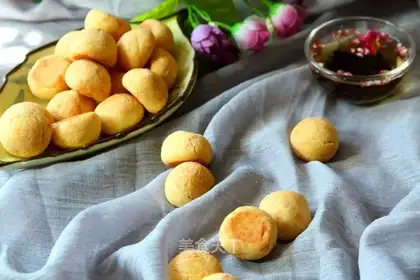
Cheese balls enter the oven and the house is full of cheese for a short period of time. The variety of cheese is different and the colour of the grilled cheese ball is different, but the quality remains the same and the quality remains the same. The fragrance of Ambinda cheese (Swiss hole) is not strong enough to be acceptable. In common cheese, the fragrance rate is roughly the same: the big hole in Switzerland
Recipe Recommendations
- low-gluten flour 150 grams
- butter 70 grams
- mozzarella cheese 70 grams
- egg liquid 30 grams
- powdered sugar 15 grams
- salt 3 grams
- milk fragrance
- baking
- half an hour
- ordinary
Steps for Cracker cheeseball
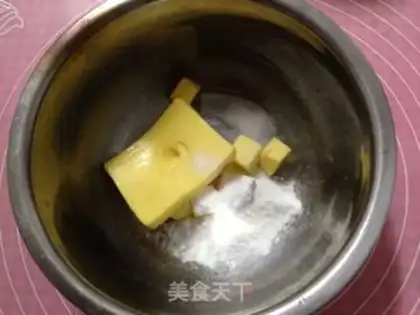
1
...soften the butter room with sugar powder and mix sugar powder and butter with razors. even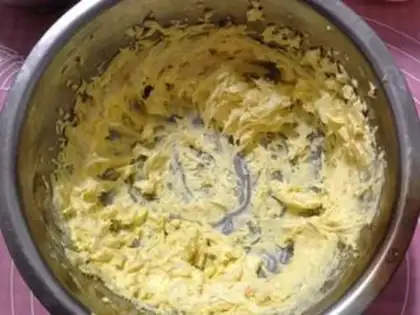
2
And then with an eggbeater, it gets lighter and loose。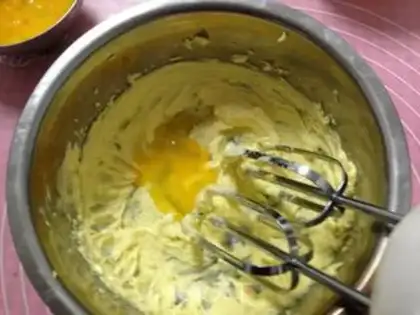
3
In three separate rounds of dispersed egg fluids (each of which will be evenly mixed with the next one) the butter will be released to a delicate state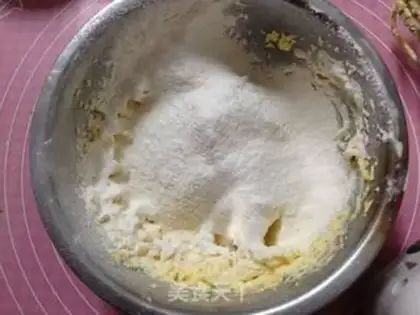
4
Sifting low-banded powder into the well-sprung butter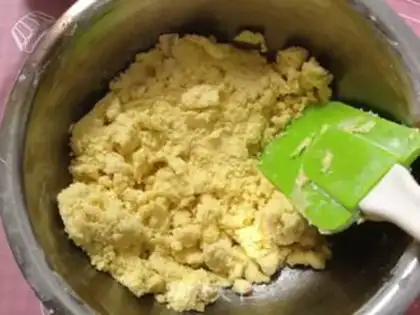
5
Scramble the flour and butter with a razor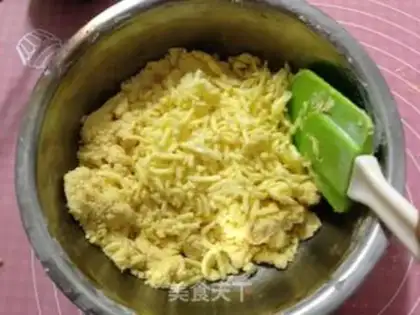
6
Add Masurira cheese to the butter flounder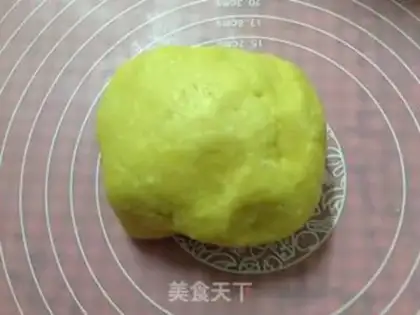
7
Grab your hands and make cheese silk evenly into the noodles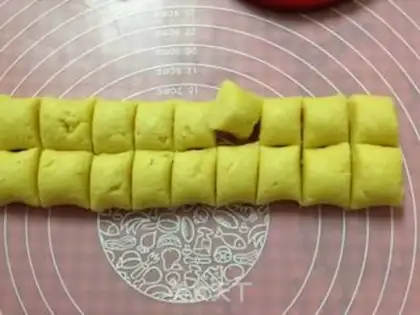
8
I'm going to grow the noodles and cut them into little ones about 11 grams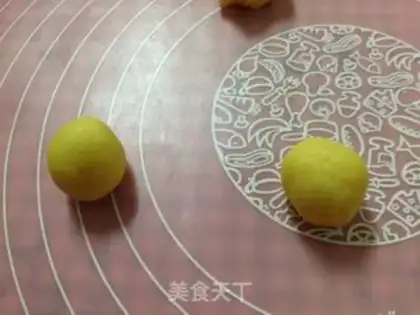
9
Then we'll split it into little balls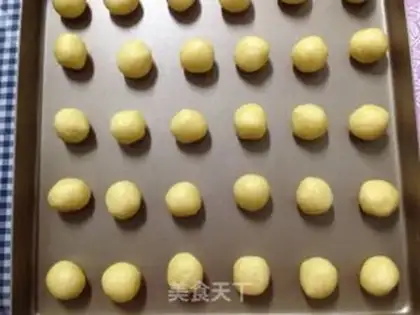
10
Put it on the grill and leave enough distance between each ball。
11
It's in the preheated 180-degree oven, mid-level, about 20 minutes, until the ball's surface is golden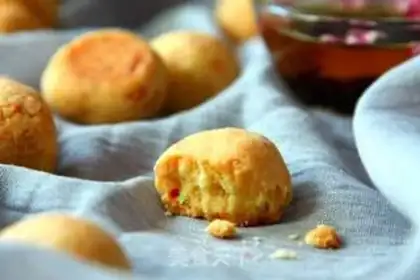
12
Baked cheeseballs. Cooled inside and outsideCracker cheeseball Make Tips
1: A roasted cheese ball, which is soft inside and outside after cooling, can be put back in the oven for a few more minutes if the cooling becomes soft inside. 2: When the noodles are mixed, it is sufficient to have no dry flour, and not to repeat them too long. 3: The cheese ball is about 11 grams, swung into a small ball, not exceeding 12 grams. 4: At high temperatures, cheese will be a little charred, dark spots on the surface of the cheese ball, normal phenomena that do not affect taste. Cheese itself tastes salty, and if the finished product is not too salty, salt use can be reduced as appropriate。