Carrots
By VicentaLakin

Carrot children do not like to eat, and put it in the bagel bread, which is a gift given to the children by Taiwan's eaters. I don't know if I made the essence of this bread, and I hope the kids like it. By cooking with traditional berry water, locking the water in the air, making the bread exceptionally wet and flexible, replacing the water with carrot juice on the formulation, and adding orange juice and honey, especially when the noodles are baked and a light caramel is released, the children forget their loathing of carrots and eat them with their big mouths。
Recipe Recommendations
- carrot puree 160g
- salt 6G
- white granulated sugar 16g
- high-gluten flour 350g
- homemade yeast 55g
- yeast powder 5g
- honey 20g
- olive oil 30g
- water 1000g
- sweetening
- roast
- several hours
- senior
Steps for Carrots
1
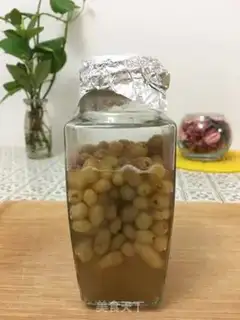
Home-made fruit bacteria: 250 grams of water boiled to boiling, cooled to 35 degrees, mixed 60 grams of raisins and 5 grams of honey in the hot water, filled with disinfected bottles, covered with aluminum paper but not sealed, and cultivated at approximately 30 degrees below room temperature。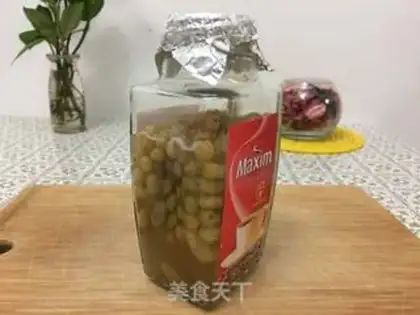
2
Every day, the raisins rise for three to four days, with a lot of little bubbles coming out around, a little smell of wine, and fruit seed is cultivated。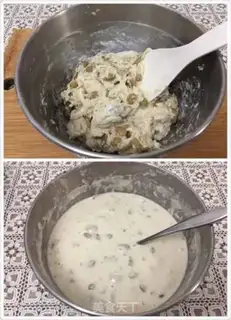
3
The collection of 200 grams of bacterial seed mixed with 200 grams of flour, the fermentation of the room was about four hours with an additional 100 grams of surface and 100 grams of water, and a further 100 grams of surface and 100 grams of water after four hours of room temperature, and the home-made yeast was ready and placed in a sealed container in a freezer for low-temperature fermentation, which could be used in about two days, taking 55 grams of home-made yeast。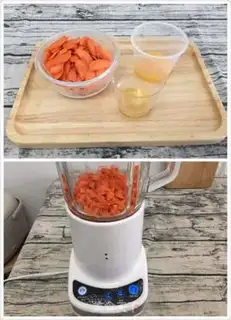
4
Make carrot mud: 160 grams of carrots are cut, 100 grams of orange juice are squeezed, and 20 grammes of honey is added to the infusion machine to make carrot mud, and 160 grams are replaced。
5
Prepares the main noodle material, pours all material except yeast flour into the basin, mixs it evenly, then joins the flour and yeast powder to mix it into a smooth noodle, and pulls out the film。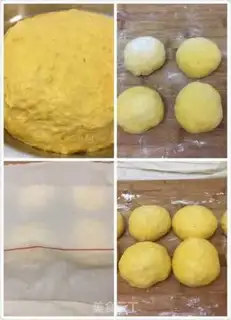
6
The basic fermentation, covered by wet room temperature, is approximately one hour and 40 minutes or two times larger, e.g., drawings, extraction of the facial exhaust, with a total mass of 680 grams, divided into an average of 8 equals, 85 g rolling round each, with 30 minutes of awakening in the middle of the wet sheet。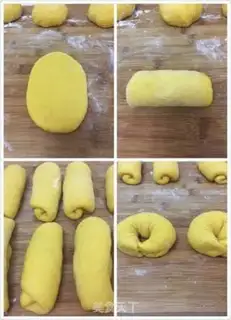
7
Float shape: take a flat-tip into an elliptical form, roll from the head, then stretch the strip, tie the tail of the face into a circle, flatten the hand with one opening, stick to the other and tighten the interface。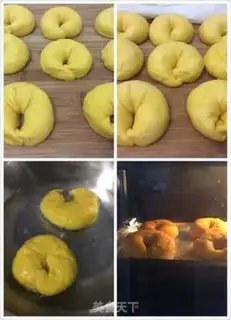
8
The last fermentation is 20-30 minutes at the temperature of the wet cloth room, boiled water, added 50 grams of sugar, replaced by a light fire, so that the beego can be boiled easily, the face boiled for 30 seconds, the face turned over and then boiled for 30 seconds, and it is picked up and placed on a grilled tin paper。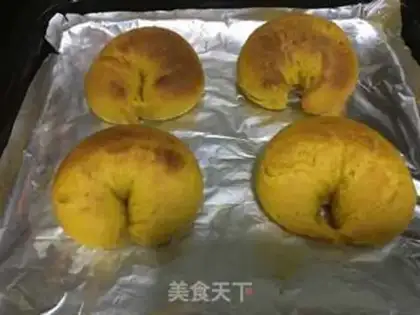
9
The oven is preheated, 180 degrees in the middle of the fire, and is roasted in noodles for 16-18 minutes. I baked in two. Four in one。
10
It's full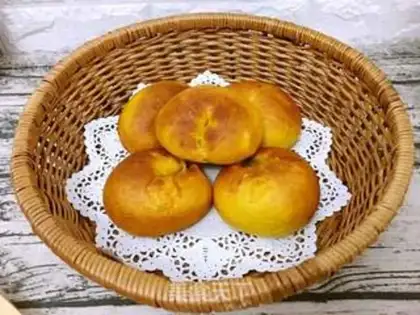
11
TASTE Q-BALLS, ORANGE
12
Rich and healthyCarrots Make Tips
1. This bread production is cumbersome and can be reduced by half as long as the bacteria are ready. And I changed the formula from the original, and our flour sucks. 3. Flour is to be added a little bit, mixed with a bit, leaving a volume adjustment of about 10 grams, and the temperature of the ovens to adjust itself. 4-4. I've added noodle to the original, and I think the finished product is a little sticky, and it's better when it's the second time. 5. The food may be cut in two, with jam or cheese, or with lettuce, ham, etc., for use as sandwiches。