Watermelon pickles
By VicentaLakin

the rational choice of fermentum and fermentation processes can produce one or more magical effects, respectively. these include: adapting immunisation responses, cancer resistance, blood pressure reduction, colonization, decontaminating constipation, fighting arrhythmia, type 2 diabetes, weight loss, allergies... as a unique health-care product with life dynamics, yeasts have great breeding prospects. i'd like a little partner to try
Recipe Recommendations
- watermelon skin 500G
- fine sugar 400g
- pure water 3000ml
Steps for Watermelon pickles

1
prepare the watermelon, 500g, a little watermelon meat, clean the water with pure water and dry the water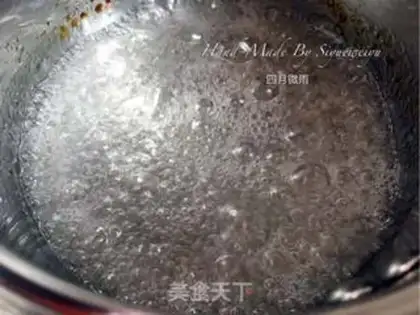
2
Slice into disinfected containers。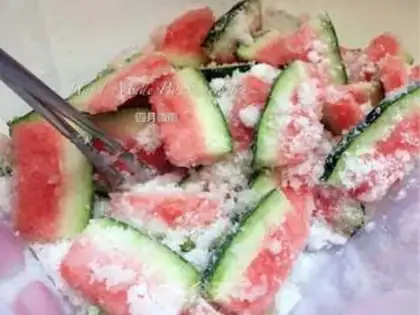
3
in the watermelon, 400 g of fine sugar is added, which is evenly mixed with disinfected chopsticks。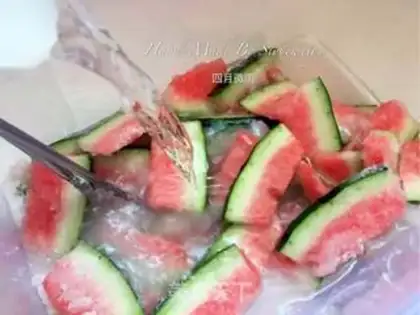
4
add pure water to 3,000 ml and mix it slightly with chopsticks。
5
The surface is covered with a protective membrane, and a lid is placed in the fermentation shade。
6
12 hours from now, open the lid and mix it with disinfected chopsticks. Cover the lid with the lid
7
In 12 hours, we're mixing it up. We're done in another 12 hours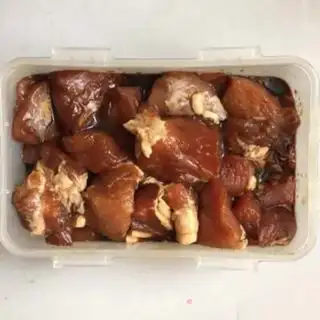
8
Good yeast
9
PH TEST PAPER HAS A SMALL AMOUNT OF YEAST TO CHECK THAT PH VALUES ARE WITHIN FOUR。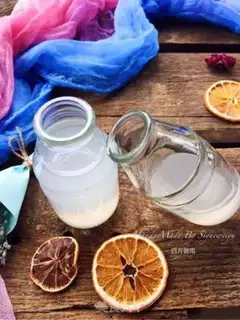
10
the finished watermelon fermentnutration was sifted to remove the fermented melon skin, filtered out the fermented fermentation, placed in a sterile glass container and stored in cold storage。Watermelon pickles Make Tips
1. Rinse watermelon rinds with purified water; if unavailable, use cooled boiled water.
2. All containers used for making the enzyme must be sterilized and thoroughly dried. Improper cleaning can cause mold, resulting in production failure.
3. Fermentation time depends on the ambient temperature. In summer, the heat shortens the process, taking about 36 hours. In winter, lower temperatures will significantly extend the fermentation time.
4. Store the finished enzyme in the refrigerator and open the lid daily to release the gas inside the container.
5. The finished enzyme can be refrigerated for one month. It is recommended to drink 150ml per serving, either before or after meals.