Pumpkin pie
By VicentaLakin
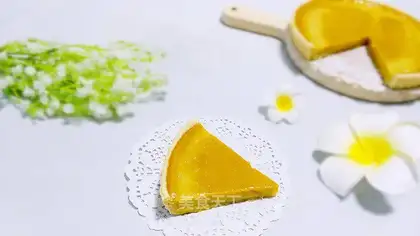
Halloween is one of the traditional festivals in the West, on 1 November each year. The people of the West will sacrifice their souls and pray for peace on this day. With the introduction of Western culture, a number of festivals in the West are becoming popular at home. On Halloween, in addition to games such as sugar-free messing, pumpkin lanterns, apple-biting games and masking, special foods are required, like chocolate for Valentine's Day. "Hallow, eat pumpkin." Pumpkin is also a holiday food for Halloween, especially in the United States. Pumpkin pie, a traditional home in the southern part of the United States from late autumn to early winter, is usually eaten, especially before and after Halloween, as a food for the view。
Recipe Recommendations
- low-gluten flour 100 grams
- butter 40 grams
- fine sugar 10 grams
- water 33 grams
- pumpkin puree 150 grams
- egg liquid 40 grams
- milk 150 grams
- honey 15 grams
- sweetening
- roast
- an hour
- ordinary
Steps for Pumpkin pie
1
Soften the butter with fine sugar and water even2
Sift in low-band powder3
Scrambled in smooth noodles, bagged in fresh bags, frozen in the fridge for half an hour4
Combination of pumpkin mud, salt, sugar, milk, honey, evenly mixed with eggbeaters5
Add egg fluid6
Mixed even7
Sift in low-band powder8
Mixed even9
Take the skins out of the fridge10
A three-centimetre-long twig across the bag11
Cut the bag, take out the skin and put it on the palette, tighten the side, stow it on the side, remove the extra skin and pierce it with a fork12
Scan the trap13
To full nine14
Put it in the middle of a pre-heated oven, up and down, 180 degrees, 15 minutes, 160 degrees, 25 minutes15
It's even on the surface, so you can get out of the oven16
Completed ChartPumpkin pie Make Tips
1. It is easier to operate without adhesives, in the middle of the bag. 2. Pumping holes on the skin, which are exhaustive and which do not drum up when baked. 3. Fill as much as possible of the traps, which will recede when cooled. 4. Adjustment of the roast temperature to the individual oven properties。