Polish cream toast
By VicentaLakin
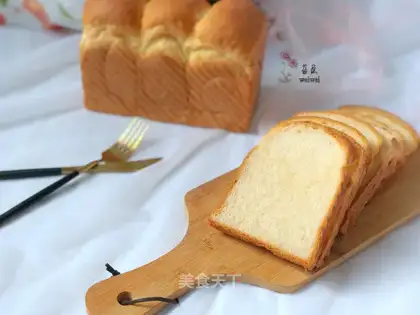
A box of light cream was opened and the light cream toast was made so that it could be consumed in a short time. It's a Polish practice, with very soft toast and full milk. Toast looks simple, and to make a toast, it takes a lot of attention to the problem. Toast out of the glove membranes (full expansion phase) is good, and certainly not to pursue the membrane, which is just a better view of the facial state。
Recipe Recommendations
- high-gluten flour 350 grams
- water 150 grams
- yeast 4 grams
- light cream 140 grams
- fine sugar 70 grams
- milk powder 20 grams
- whole egg liquid 110 grams
- butter 12 grams
- salt 6 grams
- milk fragrance
- roast
- several hours
- ordinary
Steps for Polish cream toast
1
Combining all the materials of the Polish yeast, I put it in the freezer at night。2
It goes up to a lot of bubbles3
All food products other than butter (including Polish species) in the pasta material were mixed into smooth ones。4
The addition of butter continues to be fully covered (i.e. able to pull out the mural, the state of toast is so soft and delicious)5
Rounded into the container base fermentation not exceeding 28 degrees and covered with protective film for basic fermentation6
It's fermented to two-and-a-half times the size of a finger. Fall7
Take out the fermented noodles, light-tamp the exhausts, divide the weight into six, and reveal the film for 20 minutes8
Take a nice, loose noodle, open up into a bull's tongue, and shoot off the bubble。9
Turn over and fold from left to right one third in the middle10
A little bit longer with a stick11
From top to bottom, about 2.5 laps。12
Put it in the toast box13
...the oven is fermented using the fermentation function to a full 8-9, allowing for an additional bowl of hot water, which does not exceed 40 degrees。14
Preheat ovens 150 degrees 40 minutes in advance and tin paper in the middle colour. Get out of the oven, get out cold, and keep it sealed。Polish cream toast Make Tips
Polish fermentation is not a matter of time, but is determined by status, which increases the amount of yeast if it is to be used quickly. 2. The temperature of a single round does not exceed 28 degrees and is too high to affect bread tissue。