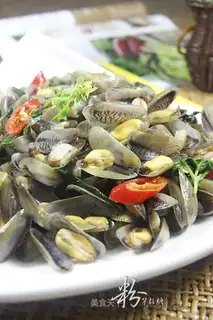
Although I am a Hakka, my favorite Cantonese cuisine is Chaoshan cuisine and Shunde cuisine. If I say that the most unforgettable thing in Chaoshan cuisine is this small stir-fried dish-"Jinbuhuan stir-fried thin shell".
I remember helping a painter organize manuscripts a few years ago, and after finishing his busy work, I went to his house to get a meal. When he served a plate of fragrant stir-fry, I was immediately attracted by this dish. Use chopsticks to pick one grain and send it to your mouth. The extremely fresh and fragrant taste can only make people aftertaste, but it cannot be described in words. Regardless of my attitude, sending one grain into my mouth is like being addicted to chewing melon seeds. I can't stop it. If it weren't for the thin shell that was hard, I might have eaten the shell down...
To be honest, I can't help but swallow my saliva while coding this text.
Thin shells are divided into "wet fried" and "dry fried". My practice today is to stir-fry. The method of wet frying is to add ginger, garlic, onions, peppers and Jinbuhuan, stir-fry until the aroma is fragrant, add water, bring to boil, add thin shells and seasonings, and cook until the mouth opens.
The authentic method of frying thin shells does not add salt, but uses fish sauce to flavor it. Also, Jinbuhuan is the soul of this dish. If the ingredients are insufficient, I definitely wouldn't recommend you to cook this dish!
Jinbuhuan stir-fried thin shells
By ErynOrtiz
Recipe Recommendations
- thin shell 600 grams
- Zanthoxylum japonica 7 capsules
- garlic 15 grams
- Jiang appropriate amount
- onion 1 piece
- soy sauce 2 tablespoons
- fish sauce 1 tablespoon
- sugar 1 teaspoon
- salty and fresh
- fried
- ten minutes
- ordinary
Steps for Jinbuhuan stir-fried thin shells
1
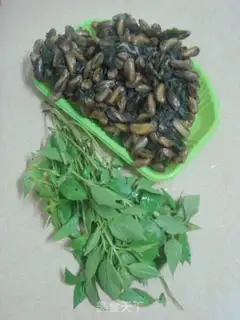
Thin shells and gold must be prepared.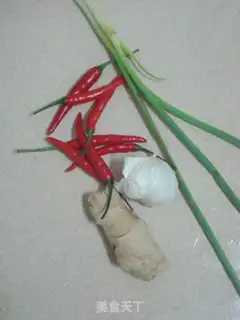
2
Prepare pepper, garlic, ginger, and onion.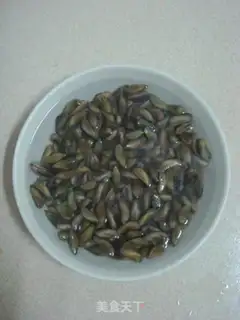
3
Remove the roots from the thin shell, wash the sand, add 1 teaspoon of salt water and allow for 30 minutes, then wash and drain.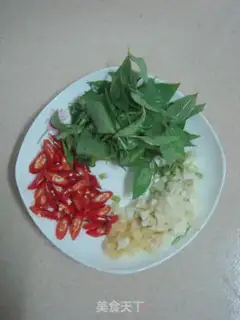
4
Wash and pick the leaves, slice the pepper, cut the garlic and ginger into pieces, and dice the onion white into pieces.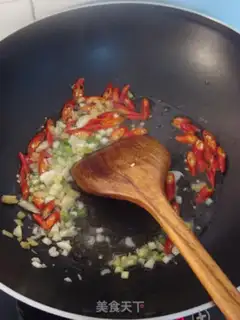
5
Heat the pan with appropriate amount of oil, add ginger, garlic, green onion and pepper and saute until fragrant.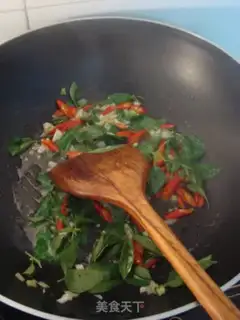
6
The gold does not change, stir-fry, and the fragrance will burst out.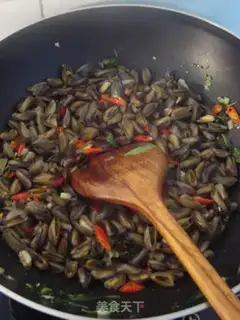
7
Pour into the thin shell and stir fry for a while over high heat.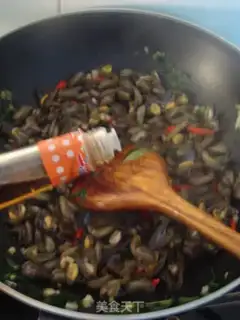
8
Sprinkle in 2 tablespoons light soy sauce, 1 tablespoon fish sauce and 1 teaspoon sugar.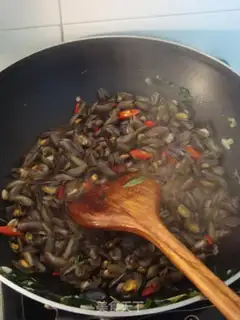
9
Stir fry until the thin shell is all open. When you hear the "crackling" sound, turn off the heat and serve the plate immediately, otherwise the sweet and delicious taste on the thin shell will be lost.Jinbuhuan stir-fried thin shells Make Tips
1. When purchasing thin shells, it is better to use a large red meat. Thin shells live together and often stick to the sea mud in pieces. Therefore, before putting into the pot, you must pay attention to removing the mud stuck to the roots of the thin shells, cleaning it, and then raising it in salt water for a while. The principle is similar to that of a river snail. Rinse it before use. 2. Stir-frying thin shells is a fast-moving dish. The speed should be fast, the fire should be high, and the whole process should not be stopped. The whole process only takes three minutes, and the thin shells should be opened all, otherwise the fresh sweet and delicious taste on the thin shells will be lost. 3. When frying the thin shell, the oil must be enough, otherwise the fishy smell of the thin shell cannot be removed, but not too much, so that the thin shell can see the "light". Eat it as soon as possible after frying, because after frying the thin shell for a long time, the meat will lose due to too much water loss, which will not be fresh, sweet and juicy enough.