Chongqing noodles
By VicentaLakin
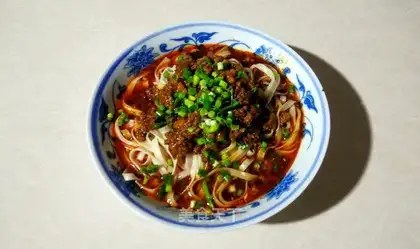
Learn from friends in this business. Wherever we go, we miss the real Sasazu noodles. There's an old shop in my hometown, and it's been a classic since I was a kid. The old condition was that ordinary people didn't have the chance to eat so many noodles, so the soy noodles were a lot of festive memories。
Recipe Recommendations
- surface appropriate amount
- Minced meat
- lotus white leaf
- laojiang appropriate amount
- garlic appropriate amount
- pepper powder appropriate amount
- soy sauce appropriate amount
- vinegar appropriate amount
- chicken essence appropriate amount
- salt appropriate amount
- oil chili
- shallots appropriate amount
- pepper appropriate amount
- meat bone soup appropriate amount
- Shaxiang
- octagonal appropriate amount
Steps for Chongqing noodles
1
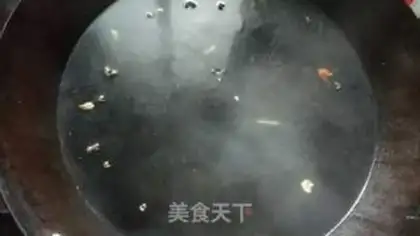
And two litres of fresh water and about ten peppers and two or three petals of eight o'clock, and sauna, etc. Two cubic centimeters of ginger, one or two, flattened in. Turn off the hood and wait for boiling. These materials are added to remove the alkalin or dry-mounted flour from the surface of the water。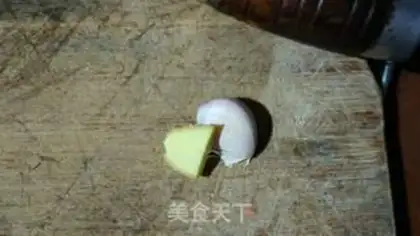
2
It's a two-to-three-sided amount of ginger, two cubic centimetres (about one third of the size of the thumb) and garlic。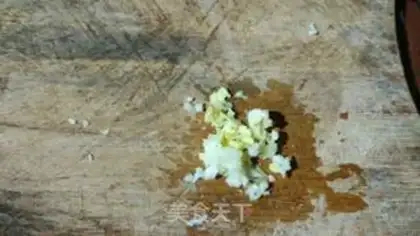
3
Scratch it, chop it up to one or two millimeters. Some noodlehouses, to make the ginger garlic taste more obscurous, separate with garlic, warm water, fermentation, half a day of ginger garlic water, eating themselves, not doing so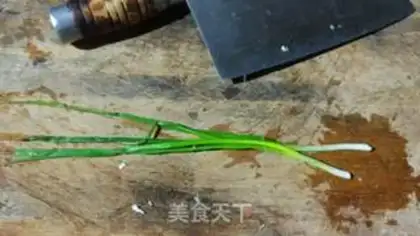
4
Two or three onions around 20 centimeters, cut two or three millimeters of onion flowers。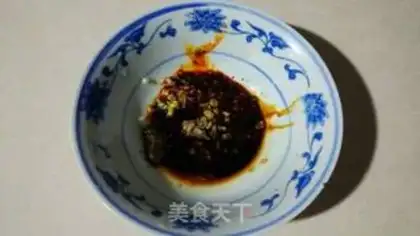
5
And a bowl with two or three faces, about 15 centimetres in diameter. Add ready ginger and garlic; add two or three caps of sauce, half to one cap of vinegar, one quarter to one third of pepper powder, one quarter to chicken, half to salt, and about three caps of spicy oil (all of the prefixes can be fined by their own taste, vinegar can be rare, vinegar can be more odious, so vinegar is less common)。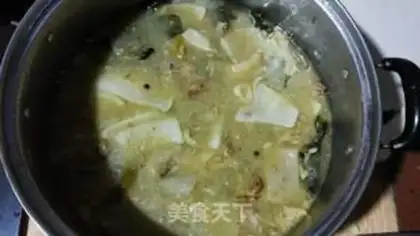
6
Pure pork bone soup, this time with pig skin and pork bones. Don't make the soup too complicated to cover the noodles themselves and the sauce, so it's usually pure bone soup for the sauce。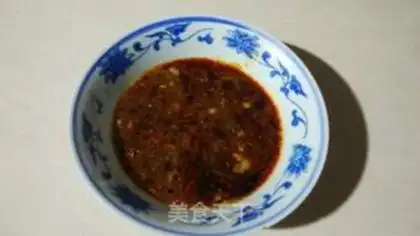
7
Add bone soup to about half the size of the bowl。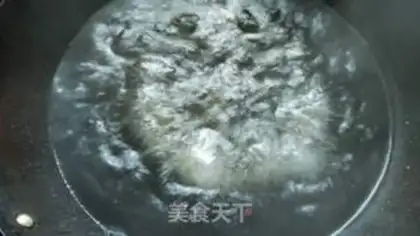
8
It's boiling。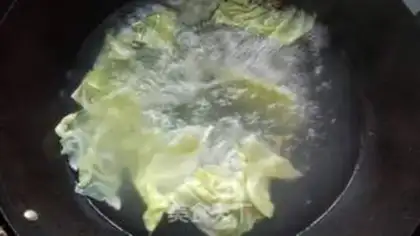
9
Add two or three slapping cabbages for two or three minutes。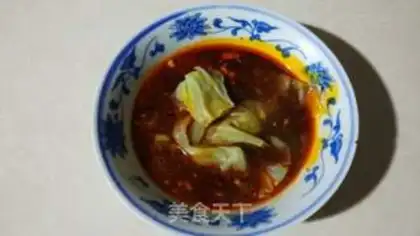
10
Pick it up and make noodles in soup。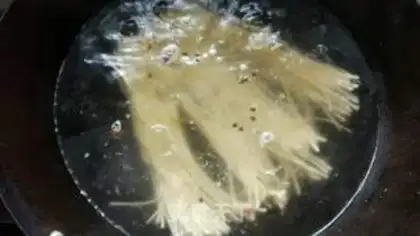
11
Add dry noodles (approximately 150 grams, with supermarkets selling small packages of 100 to 200 grams separately) to boil in bulk for about two or three minutes (water [basic] noodles, or dryed [dry] surfaces for about one or two minutes, or to increase the amount of time by mouth)。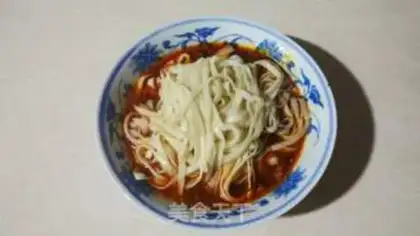
12
Cooked noodles and put them on the bottom of the bowl。
13
I'm ready to make a meat mush. I'm not going to do it with the recipes of my hairy meat。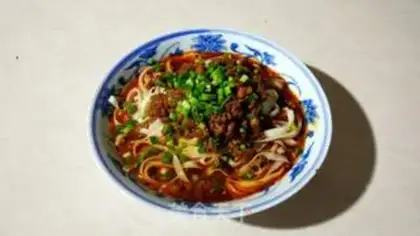
14
Add a five-cm diameter spoon, a spoon of sauce, half a spoon of onions. Combination can feed。Chongqing noodles Make Tips
1. Boiled noodles are wide enough to make them so that they are not sticky and sour. 2. The time I gave the noodles was just cooked, more loaded, and preferred soft ones, but usually not more than five minutes, because they were too soft to taste. 3. The bottom and pasta are cooked for approximately the same time and can be cooked together. If the freshman cooks together, it may be easier to use separate cooking if the freshman sets his face in a situation of entanglement. 4. The general Chongqing noodle parlours, which are commonly used as base dishes, are cabbage (fruit), cabbage (fruit, cabbage), cabbage, cabbage (coins, not large cabbage) because they have a weak taste of the cuisine as compared to the others. 5. Pure pork bronchial soup, which is not too complex, covers the face and the smell of charlatan, so it is usually pure bone soup with pork sauce. See the recipes of my pork-bones soup, but with no extra vegetables and less salt. 6. The ingredients can be fine-tuned to their own tastes, so that vinegar is generally low, as it is less gruesome. 7. Noodle oil spicy, not knowing how to do it, can be bought in supermarkets or can be made using my hairy spicy recipe。