Coco-Calco-Calco-Calco-Calco-Calco-Calco-Calco-Calco-Calco-Calco-Calco-Calco-Calco-Calco-Calco-Calco-Calco-Calco-Calco-Calco-Calco-Calco-Calco-Cal-Calco-Calco-Calco-Calco-Calco-Calco-Cal-Calco-Calco-Calco-Calco-Calco-Calco-Cat-Calco-Cal-Cal-Cal-Cal-Cal-Cal-Cal-Cal-Cal-Ca-Ca-Ca-Cal-Cal-Cal-Ca-Cal-Ca-Cal-Ca-Cal-Cal-Cal-C-Cal-Cal-Cal-Cal-Cal-Cal-Cal-A-A-Cal-C
By VicentaLakin
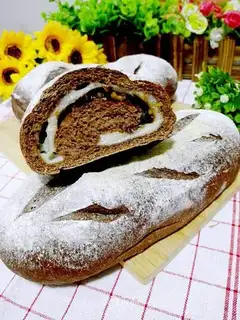
This is a very good bread. The soft cocoa bread, with potatoes and red bean sand and rich fruit dried, is a wonderful taste! A 17-hour cold fermented medium made bread taste better。
Recipe Recommendations
- high-gluten flour 200 grams
- whole wheat flour 50 grams
- cocoa powder 15 grams
- eggs one
- water 120 grams
- white granulated sugar 35 grams
- unsalted butter 25 grams
- sugar-tolerant yeast 3 grams
- salt 3 grams
- sponge and dough 55 grams
- water milled glutinous rice flour 105 grams
- cornstarch 30 grams
- milk 180 grams
- red bean paste appropriate amount
- brown sugar powder appropriate amount
- dried fruits appropriate amount
- Roasted walnut kernels appropriate amount
- yeast 1 gram
- sweet fragrance
- roast
- several hours
- senior
Steps for Coco-Calco-Calco-Calco-Calco-Calco-Calco-Calco-Calco-Calco-Calco-Calco-Calco-Calco-Calco-Calco-Calco-Calco-Calco-Calco-Calco-Calco-Calco-Calco-Cal-Calco-Calco-Calco-Calco-Calco-Calco-Cal-Calco-Calco-Calco-Calco-Calco-Calco-Cat-Calco-Cal-Cal-Cal-Cal-Cal-Cal-Cal-Cal-Cal-Ca-Ca-Ca-Cal-Cal-Cal-Ca-Cal-Ca-Cal-Ca-Cal-Cal-Cal-C-Cal-Cal-Cal-Cal-Cal-Cal-Cal-A-A-Cal-C
1
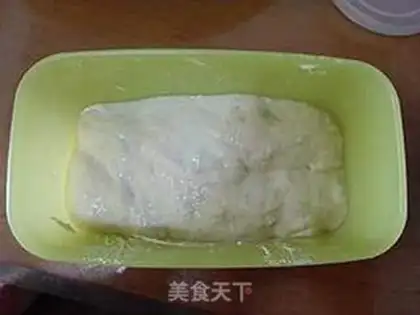
One day in advance, a medium plant is made: 100 grams of flour with 3 grams of yeast and 64 grams of water are torn together, and 17 hours after room temperature fermentation is to be put in the freezer fermentation (in the summer, directly in the freezer fermentation) in an hour, until the fermentation of the fermentation in the fermentation reaches its peak, which can be seen to be in a beehive form, taking out 55 grams for use. The rest is split into two frozen and next time bread is taken out for one。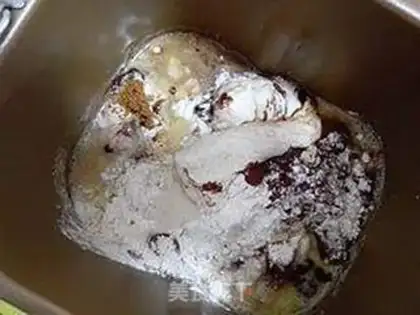
2
Put eggs in the bread can, clean water (I use bigger eggs, plus 120 grams of water). It is recommended not to add a full amount of water at one time, to leave a portion of the water behind, to rub it in groups, depending on whether it should continue to be added, and to place sugar and salt, respectively, at the opposite end of the bread drum, into high-weather flour and whole wheat flour, and finally to place yeasts on the flour surface (to avoid the yeast being exposed to salt) and then to put the Chinese in the middle。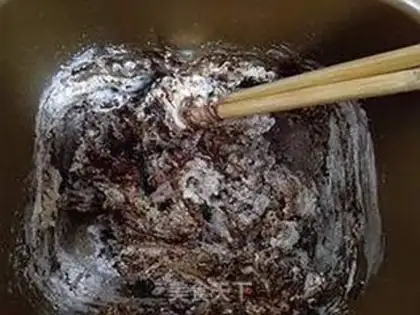
3
The chopsticks have been torn to the point of not seeing dry powder。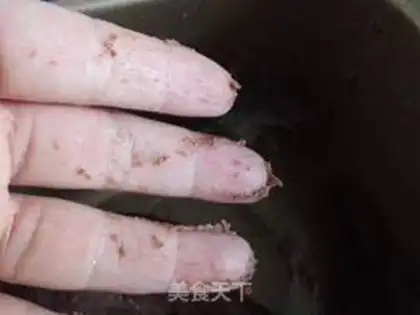
4
Starts the "Choose Face" procedure, suspends the machine when it is rolled in front of a group, squeezes a band down with its hand, soft, not particularly sticky, unhandled, and has only a small amount of face on its hands, so that the softness and hardness can continue the "Choose Face". If the noodles are hard enough, then water is added, and if the flour is too wet, the flour is dried up until it's hard enough。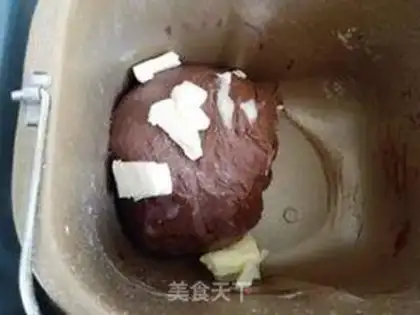
5
After the completion of a “Mixed” procedure, add softened butter and continue to initiate both “and” procedures。
6
After the second "and pasta" process, take a little noodle, squeeze it slowly, and pull out a large piece of thin film that is not easily broken。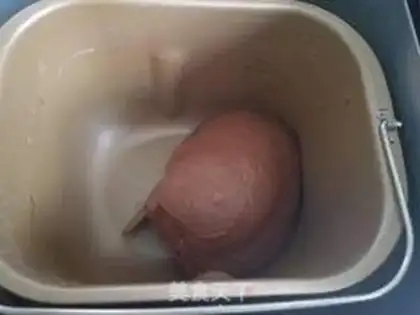
7
Put the noodles back in the bread can。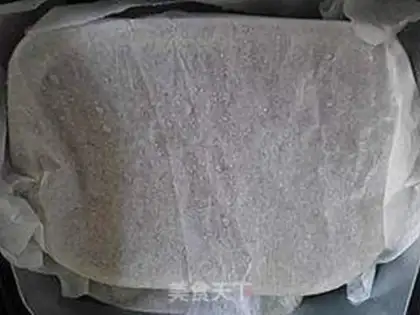
8
A sheet of baked oil paper was placed on the bread drum, and some beads were inserted on it。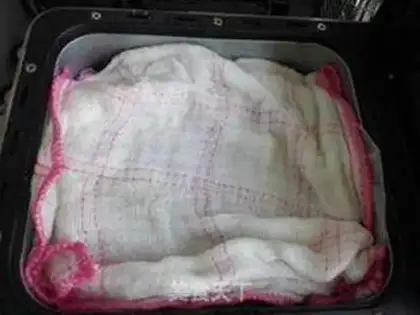
9
Wet towels are added, and the face of the bread machine is fermented twice as large。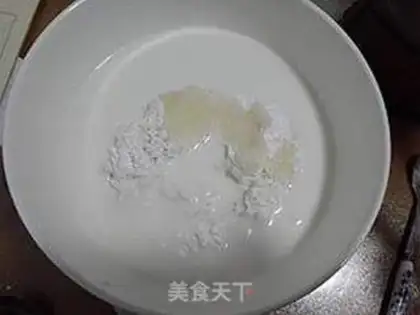
10
Waiting for the fermentation of the noodles to prepare the potatoes: pouring rice powder, flour, milk and sugar into a big bowl。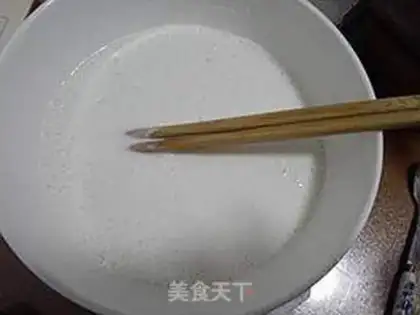
11
Smash it with chopsticks。
12
The fire evaporated for 20 minutes, and the surface condensed without liquids could turn off the fire。
13
Put butter in the heat。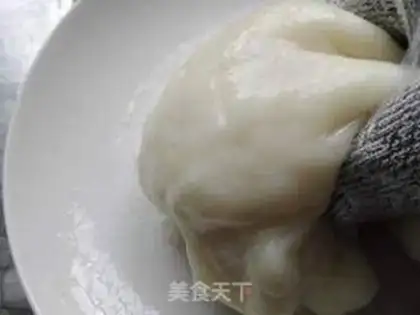
14
It's all smoothed, the butter is absorbed (still a little hot, I'm wearing a hot glove and a one-off glove) and the cold spare is covered with a membrane。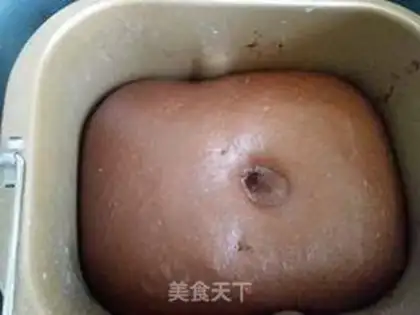
15
Noodles are fermented twice as big, and fingers are dryed with flour or water, and it is only right that the hole does not collapse。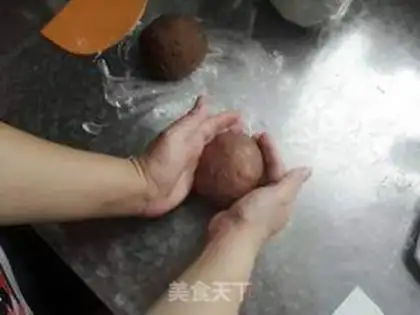
16
Excerpt the flotilla by pressurizing the exhaust, divided into three equals, with two hands tied to the round。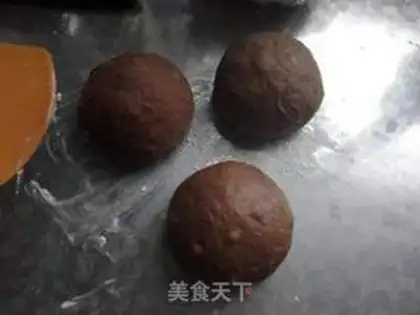
17
It's 15-20 minutes。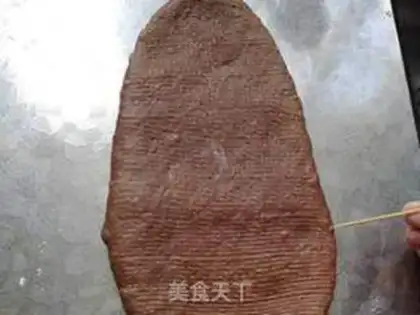
18
The sheet is covered with thin powder, the upper and lower face is turned into an elliptical face, the air bubble is punctured with toothpicks and the gas is drained。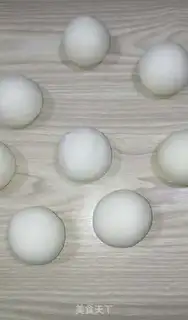
19
Turn the noodles over and lay a third of the potatoes。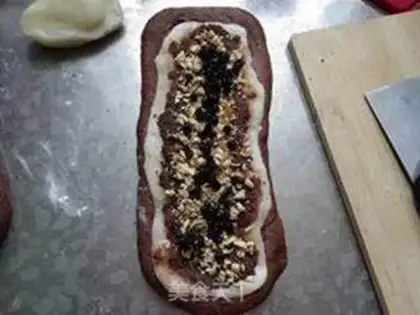
20
A red soybean sand and a walnut and a blueberry dry or raisin are added to the potatoes。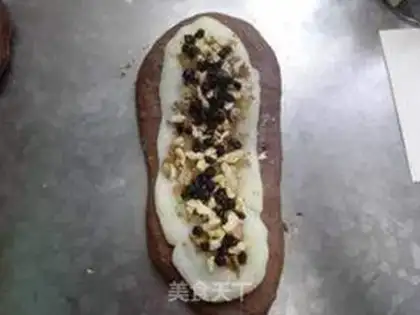
21
I made another flavor: a red sugar powder, a shred of walnuts and a black gallon dry on the potatoes。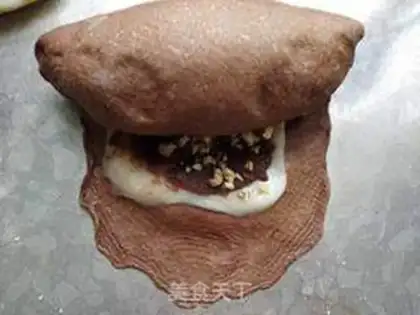
22
On both sides, press the sides in the middle, roll them from top to bottom, roll them down to the bottom of the thin。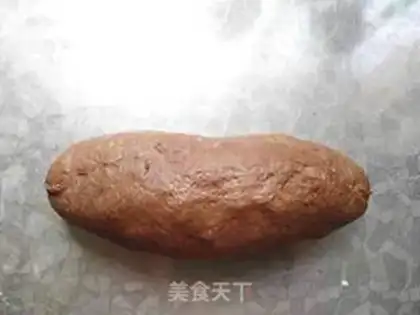
23
Stick to the bottom。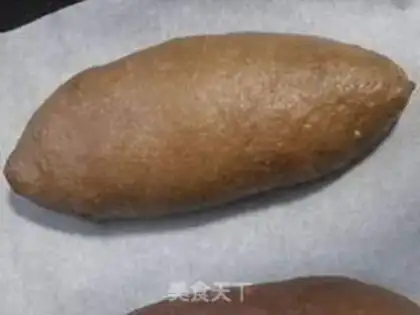
24
I'm a bit ugly, and I can be anything you like。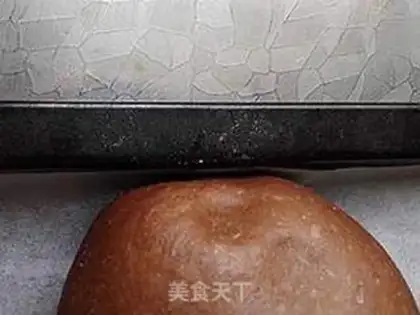
25
The bottom was put down in the oven, covered with a fermentation film in warm and wet, which was about twice the size of the fermentation, with a soft stroke of the finger, and a little bounce would be sufficient。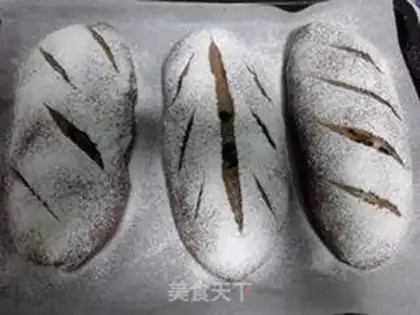
26
Scratch it with a blade and sift one layer of powder。
27
Send it to a 220-degree pre-heat oven and then to a 160-degree and a 16-minute boiler. The furnace is laid on a cooling shelf until the temperature of the hand is filled with a fresh bag, and the room temperature does not get hard for three or four days。Coco-Calco-Calco-Calco-Calco-Calco-Calco-Calco-Calco-Calco-Calco-Calco-Calco-Calco-Calco-Calco-Calco-Calco-Calco-Calco-Calco-Calco-Calco-Calco-Cal-Calco-Calco-Calco-Calco-Calco-Calco-Cal-Calco-Calco-Calco-Calco-Calco-Calco-Cat-Calco-Cal-Cal-Cal-Cal-Cal-Cal-Cal-Cal-Cal-Ca-Ca-Ca-Cal-Cal-Cal-Ca-Cal-Ca-Cal-Ca-Cal-Cal-Cal-C-Cal-Cal-Cal-Cal-Cal-Cal-Cal-A-A-Cal-C Make Tips
No amount of water should be added to the surface before it is taken into account. After all, the different brands of flour used will be different and the humidity of the flour will affect the humidity of the flour. 2. The fermentation must be conditioned, and it cannot be judged by the length of time that the noodle is prepared, the temperature of the ovens varies, the fire is different, so the temperature and time given in the text are only for reference, and must be adjusted to the temperament of the ovens. Four, if the bread is not ripe enough, put a sheet of tin paper on it to keep it warm. You can press it on the bread, and if you play it right away, it's roasted. But be careful not to burn your hands。