Okja
By VicentaLakin
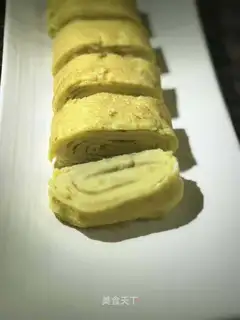
Steps for Okja
1
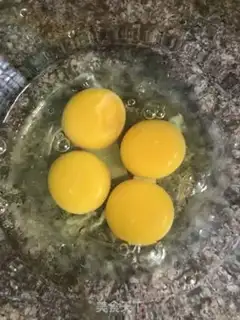
Eggs four。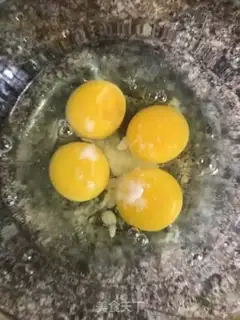
2
Add salt and a little water。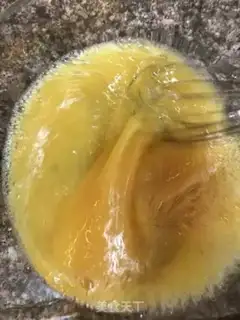
3
It's made of egg fluids by hand。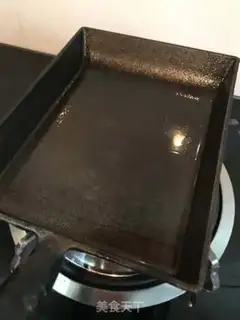
4
The hot pot pours oil. The oil needs to be even. Or brush the oil on it。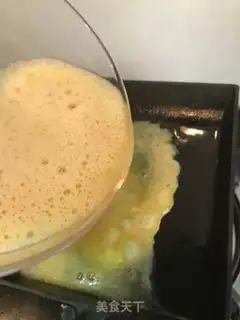
5
Firing of thick eggs in small and medium-sized hot pots and maintenance of the textery, pouring into the appropriate quantity of egg fluids after the heat of the pot, so that the egg fluids are equally distributed on the pan. An egg fluid cannot fall too much at once, too much can lead to too thick an egg skin and a roll is broken; it is too little to lay the bottom of a pot, or it is too quickly ripe to affect the quality of the finished product。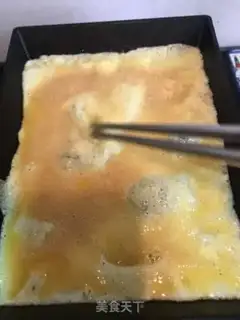
6
After the egg drops, the big bubbles are punctured with chopsticks。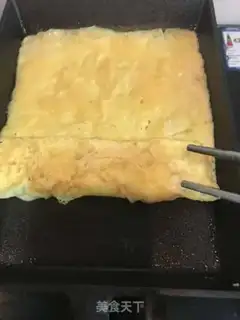
7
When a fine degree of condensation occurs on a semi-corrupt surface, a chopstick is used to roll the egg from the outward interior and then the egg is gently pushed to the outside side。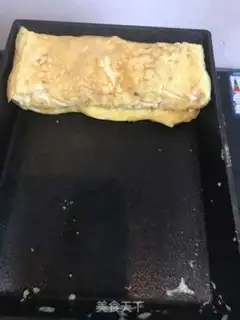
8
Roll in the front and empty the pot and pour the proper amount of egg fluid into the pot (one more layer of oil and one more, I didn't)。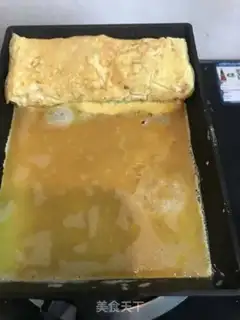
9
That's three to four times to roll up the omelet. And then into the egg fluid, and then the egg condensate, and then roll again。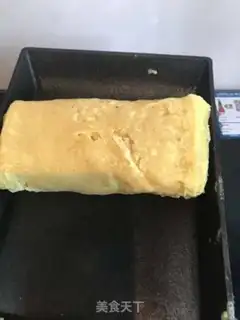
10
When it's all rolled up, it'll be cool. (I fry older because it's for the kids。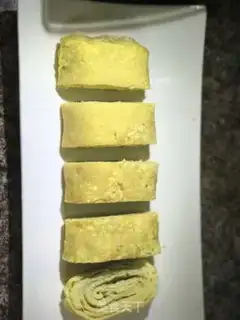
11
The finished chart。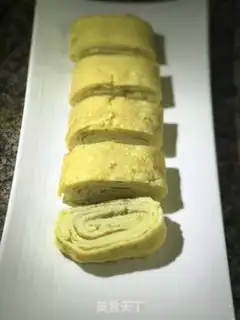
12
The finished chart。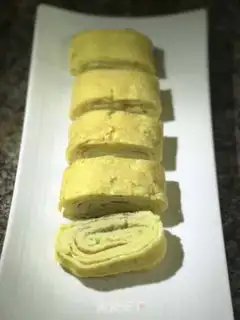
13
The finished chart。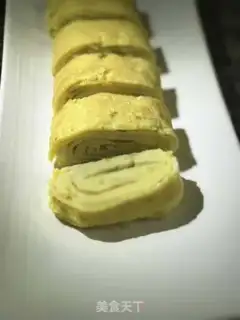
14
The finished chart。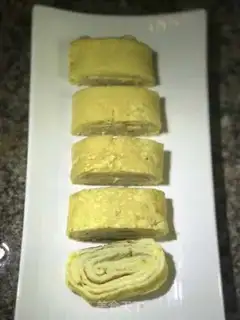
15
The finished chart。Okja Make Tips
How to judge the temperature in the pot: a little bit of egg fluid with chopsticks can draw a line in the pot, which immediately swells and means the temperature is reached。