Sea omelet evaporation
By VicentaLakin
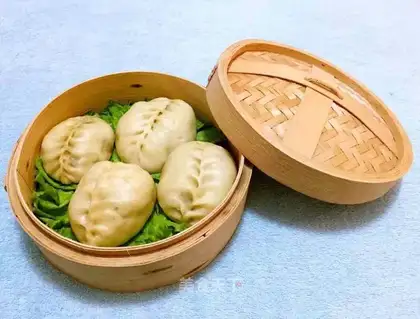
The line is also known as camel hair and is known as algae, which is one of the species of brown algae, brown algae, algae, algae and algae. The algae are brown to dark brown, tube-like, membrane, bushy, 20 to 50 cm tall, and 2 to 5 mm in diameter are found in rock or rock marshes in the meso-tidal zone, as well as in the climax and low-tidal zone rocks. The algae are brown to dark brown, tube-like, membrane, bushy, 20 to 50 cm tall, and 2 to 5 mm in diameter are found in rock or rock marshes in the meso-tidal zone, as well as in the climax and low-tidal zone rocks. Algae, a brown algae that has not yet been exploited, with high food and health-care value, has long been used as a marine vegetable treasure by the inhabitants of the coastal zone of my country, but its very limited natural resources, lack of seedlings and premature farming techniques limit the development and use of the algae. The line is distributed along our northern and southern coasts. During the four to six months of boom, seaweed with a warm temperate zone, which requires lower water temperatures, is generally available around the spring festival and begins to disappear after April/May. Seamlines can be used for feed and medicine, as well as for food, good taste and nutritional value. In addition to abundant proteins and fats, there are also large amounts of sulphate roots, which are resistant to condensation and also help prevent cardiovascular diseases。
Recipe Recommendations
- salty and fresh
- steamed
- three-quarters of an hour
- ordinary
Steps for Sea omelet evaporation
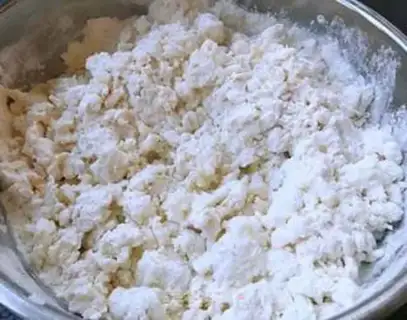
1
Flour is boiled in half in the form of a cold。
2
I added a proper amount of fresh water to wake up for 20 minutes。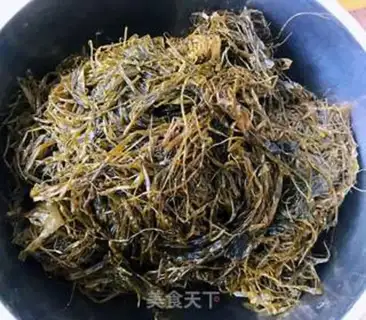
3
Fresh mime line washing cleans dry water spares。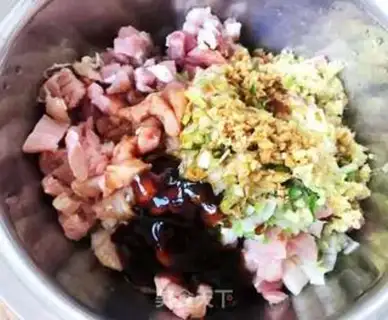
4
The fresh pork is cut into a little onion accelerant and iso。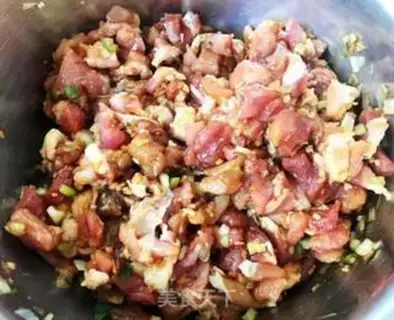
5
The meatdler and the spices are modulated for 20 minutes。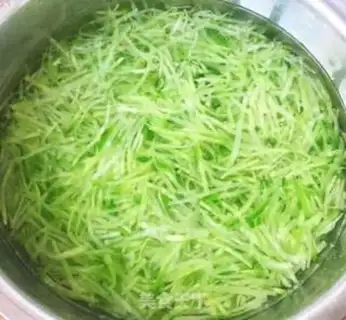
6
The radish swirled in the open water, and immediately after the water broke, it went cold。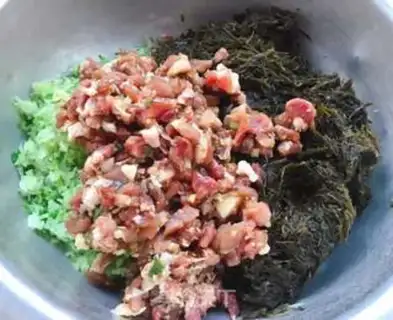
7
Tastes of odoured meat, radish and sea omelet are cut into particles。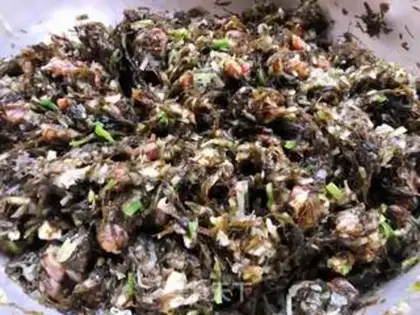
8
The oil, the perfume, the salt and the taste mix。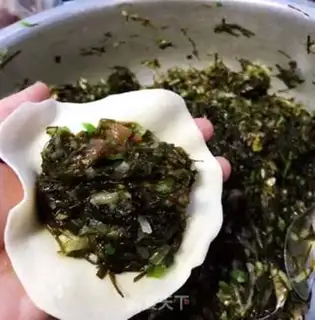
9
Noodles wake up and make a cuter. Put it in a bag。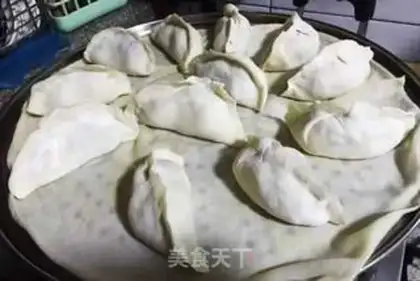
10
The oil, the perfume, the salt and the taste mix。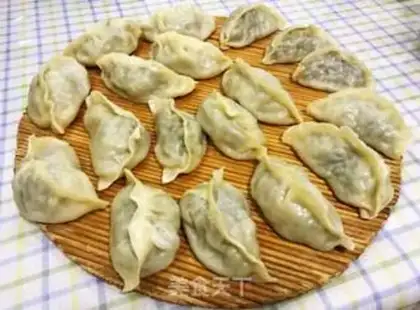
11
The buns are out, there's a pot of noodles waiting。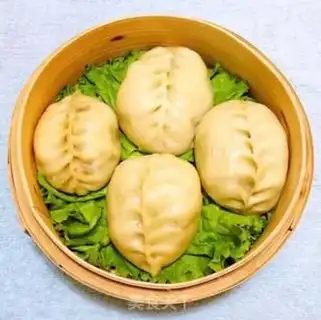
12
It looks more venomous and salesy。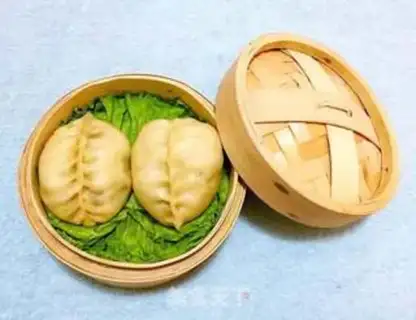
13
It's even more beautiful with radish。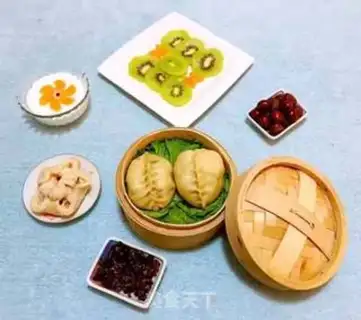
14
A rich breakfast will open a good day。Sea omelet evaporation Make Tips
The line is also known as camel hair and is known as algae, which is one of the species of brown algae, brown algae, algae, algae and algae. The algae are brown to dark brown, tube-like, membrane, bushy, 20 to 50 cm tall, and 2 to 5 mm in diameter are found in rock or rock marshes in the meso-tidal zone, as well as in the climax and low-tidal zone rocks. The algae are brown to dark brown, tube-like, membrane, bushy, 20 to 50 cm tall, and 2 to 5 mm in diameter are found in rock or rock marshes in the meso-tidal zone, as well as in the climax and low-tidal zone rocks. Algae, a brown algae that has not yet been exploited, with high food and health-care value, has long been used as a marine vegetable treasure by the inhabitants of the coastal zone of my country, but its very limited natural resources, lack of seedlings and premature farming techniques limit the development and use of the algae. The line is distributed along our northern and southern coasts. During the four to six months of boom, seaweed with a warm temperate zone, which requires lower water temperatures, is generally available around the spring festival and begins to disappear after April/May. Seamlines can be used for feed and medicine, as well as for food, good taste and nutritional value. In addition to abundant proteins and fats, there are also large amounts of sulphate roots, which are resistant to condensation and also help prevent cardiovascular diseases。