Pasta was naturally invented by the Italians.
Red sauce, white sauce, green sauce, etc., the taste is strong.
When you arrive in Japan, where the taste is light, you naturally have a lot of light cooking.
In Italian restaurants in Japan, chefs collectively refer to light-flavored pasta as the Pasta Breeze.
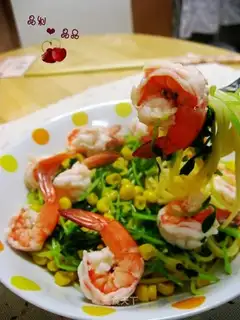
Today, I would like to share this with you_and shrimp spaghetti with corn.
Corn shrimp pasta
By AdrielMurray
Recipe Recommendations
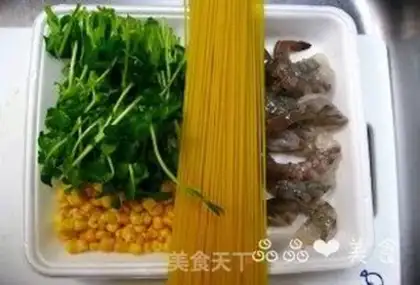
- pasta 50g
- fresh shrimp 10 rats
- bean sprouts appropriate amount
- salt appropriate amount
- olive oil appropriate amount
Steps for Corn shrimp pasta
1
Prepare the ingredients. Remove the frozen corn 15 minutes in advance and defrost naturally; wash the bean seedlings; remove the shells from the fresh shrimp, leave the tails, and remove the shrimp line for later use.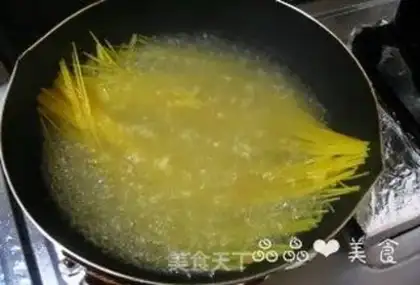
2
Boil a pot of boiling water, add a little salt, and cook the noodles.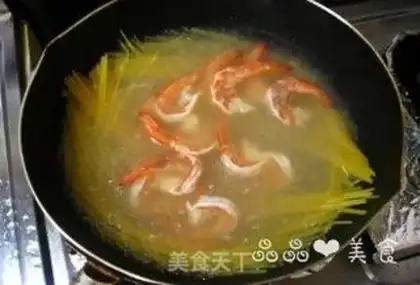
3
After the noodles are cooked, add the shrimps and cook for 1 minute. Remove them separately and set aside.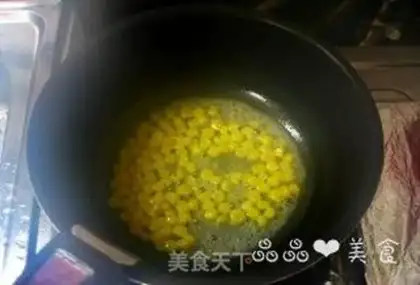
4
Pick up another pot, add olive oil and corn, stir-fry slightly, and add 1 spoonful of boiling noodle soup.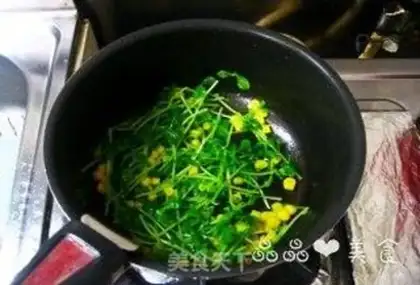
5
Add the bean sprouts, season with salt, turn off the heat, and use the remaining heat in the pan to heat for a while.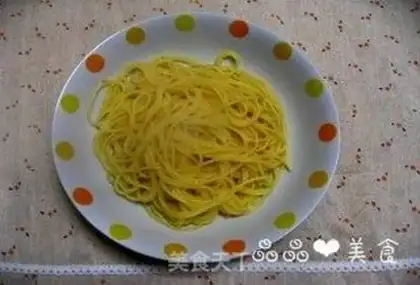
6
Stir in 1 teaspoon of olive oil into the cooked pasta.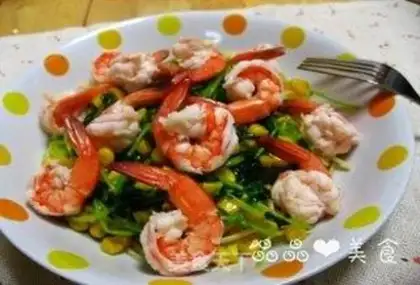
7
Drizzle with bean sprouts and corn, and place on the cooked shrimp.Corn shrimp pasta Make Tips
1. The cooking time of pasta is generally stated on the packaging bag. If you still want to stir-fry, just follow the instructions and cook it; if you mix it after it is mixed like me, it will be 1.5 minutes longer than the time on the packaging bag. The taste is better. 2. When the shrimp is shelled, you can leave the tail or not. Personally, I think it looks better if it is left, but it is a bit troublesome to eat. 3. The bean seedlings should be tender and the heating time should be short, otherwise the color and taste will be affected.