Dry stir-fried chilli
By LexieVolkman

This dish doesn't have much technical content to cook, but it is really fragrant and goes well with the meal, especially for gourmets who like spicy food. Because I use the local pepper, it tastes very good. Does it look very tempting? Try what you like! Minced garlic is the key to the taste of this dish and is indispensable!
Recipe Recommendations
- minced garlic appropriate amount
- salad oil appropriate amount
- salt appropriate amount
- chicken essence appropriate amount
- medium spice
- fried
- ten minutes
- simple
Steps for Dry stir-fried chilli
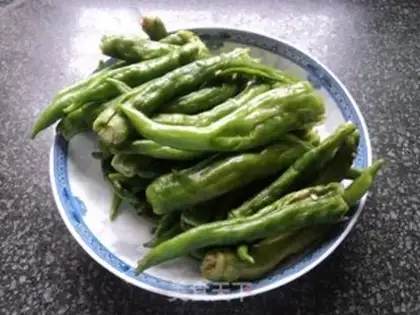
1
A plate of small peppers and pat flat with a knife.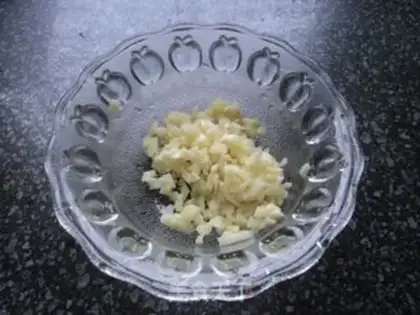
2
Appropriate amount of minced garlic.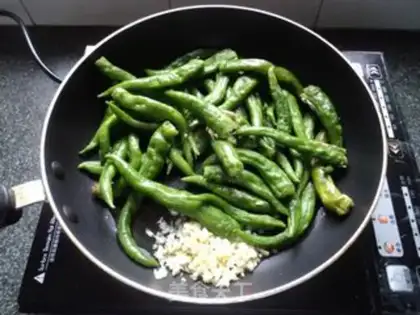
3
Heat the oil in the pan and add pepper and minced garlic.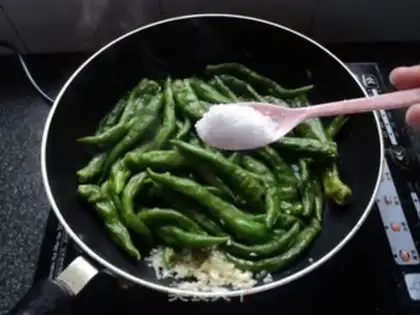
4
Add 1 teaspoon of salt.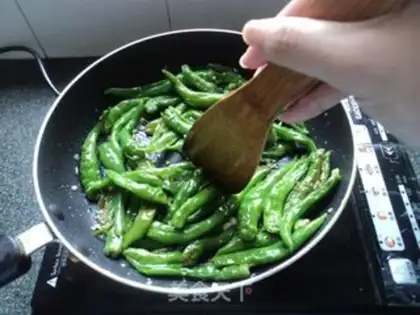
5
Use a spatula to slowly pound the peppers. Wait until the peppers become soft and juicy and fragrant. Only when the finished product is made during this process will it taste delicious.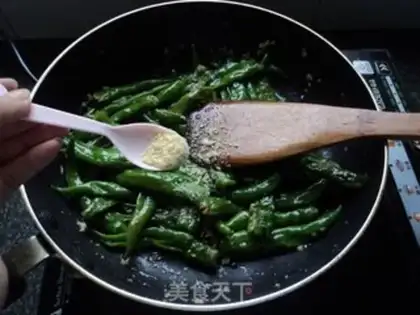
6
Beat for seven or eight minutes and then add chicken essence.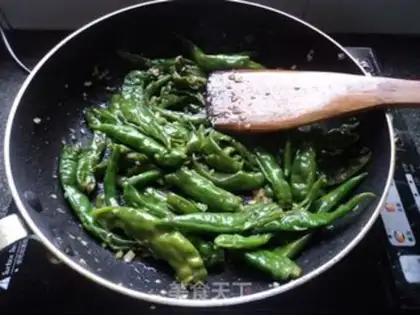
7
Stir fry evenly.Dry stir-fried chilli Make Tips
In cold winter, many people like to eat peppers to resist cold. However, traditional medicine believes that although peppers can dispel cold, stop diarrhea, kill insects, enhance appetite, and promote digestion, the diet should pay attention to the harmony of the five flavors (sour, bitter, sweet, spicy, and salty). Excessive preference for spicy taste can easily cause imbalance between yin and yang in the viscera and cause diseases. Excessive lung qi and spicy taste have the functions of dispersing, circulating qi, and promoting blood circulation. Eating too much can easily cause excessive lung qi, which consumes qi and yin, resulting in reduced immunity and suffering from a cold. Dry throat, red eyes on both sides, and burning nasal cavities, dry mouth, sore tongue, rotten corners of the mouth, nosebleeds, toothache and other "angry" symptoms. Aggravated dampness and heat can easily aggravate dampness and heat in the body, which is manifested as skin acne, elevated blood pressure, aggravated hemorrhoids and epistaxis. Therefore, people under the following circumstances should pay special attention to appropriately reducing spicy food in winter: 1. People with a thin body. Traditional Chinese medicine believes that thin people mostly belong to yin deficiency and heat constitution, often manifested as dry throat, bitter mouth, eye congestion, top-heavy, and irritability. If you eat too much spicy food, it will aggravate the above symptoms, leading to bleeding, allergies and inflammation. 2. Patients with hyperthyroidism. Patients with hyperthyroidism are often in a highly excited state, and excessive consumption of irritating foods such as peppers can aggravate symptoms. 3. Patients with nephritis should not eat peppers. Studies have shown that during human metabolism, spicy ingredients are often excreted through the kidneys, producing varying degrees of stimulation on renal parenchyma cells. 4. Patients with chronic gastrointestinal diseases, hemorrhoids, dermatitis, tuberculosis, chronic tracheitis and hypertension.