Coconut toast
By VicentaLakin
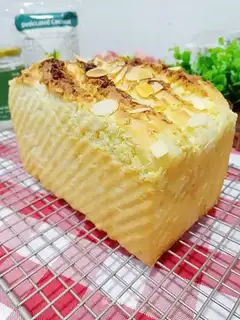
A pack of high-quality coconuts was purchased, because they were made of pure coconut meat, and the coconuts were pure, so the coconut pie was used instead of butter, highlighting the smell of the coconut itself and adding a fried process to it. And the bread was made of the Chinese pasta of Mr. Woo, softer, and coconut oil to highlight the coconut. If you like milky, you can replace coconut oil with butter, which is a 450-gram three-dimple toaster。
Recipe Recommendations
- high-gluten flour 175 grams
- qingshui 105 grams
- sugar-tolerant yeast 3 grams
- fine sugar 5 grams
- salt 3 grams
- whole egg liquid 30 grams
- coconut oil 20 grams
- coconut milk 30 grams
- coconut 60 grams
- white sugar 35 grams
- egg yolk of 2
- sweet fragrance
- roast
- several hours
- senior
Steps for Coconut toast
1
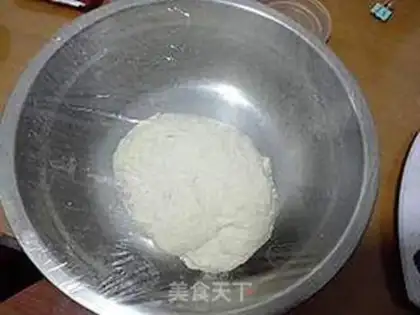
The material of the Chinese pasta and the grouping of the noodles (in groups, without having to rub the surface smooth) are placed in the freezer for 15 to 17 hours (which is better in the form of bread, which can be fermented directly in the warm if it does not want to wait so long)。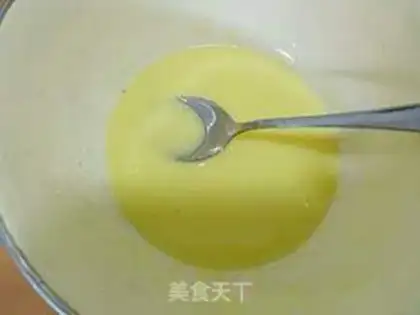
2
Waiting for fermentation to make coconut tarts: first to mix sugar, coconut, yolk and coconut oil (liquid)。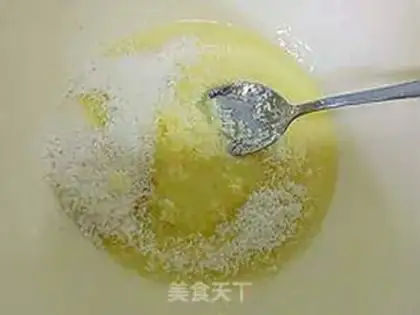
3
Add coconuts evenly。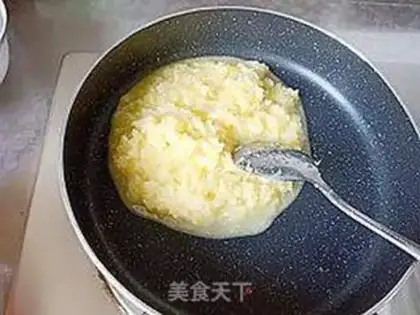
4
Into a non-club pot, little fire slow。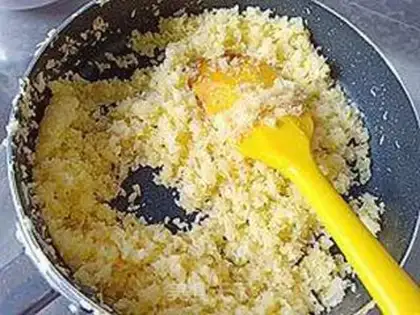
5
It's dry, but it's nice to stay in the freezer. It's for toast, and if it's a snack, it's gonna be a group。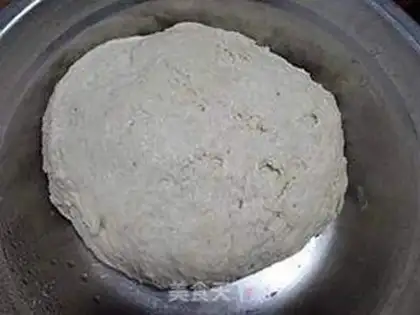
6
The Chinese fermented to three times the size of the fermentation。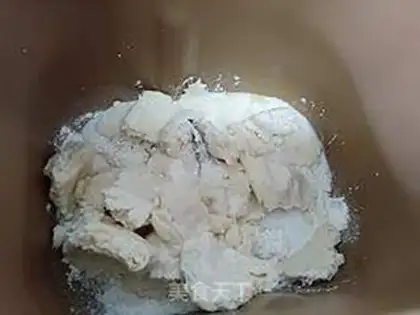
7
The material of the main noodle (coconut oil first) is then put in the bread drums (note that salt and sugar are on the opposite sides of the bread drums respectively), then the Chinese noodles are torn into small pieces, and the bread machine's "and face" program is to be opened. The liquid should not be placed entirely on the material table, as flour is subject to different water intakes because of different brands, and because environmental moisture affects the water intake of flour, 10% of the liquid is left, and the degree of softness of a lower section is checked when the contours are covered。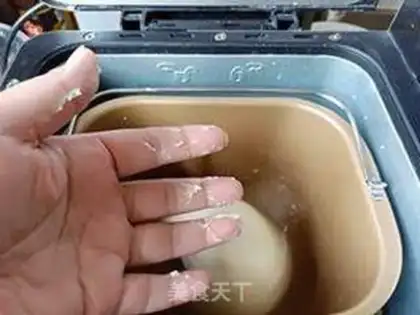
8
When you're rubbing your face, pause the machine and squeeze the lower one with your hand. On hand, it would be appropriate to indicate the degree of dampness (i.e., rigidity) of the noodles. If the noodles are hardened, then a small number of times more liquids will be added until the flour is so soft and suitable。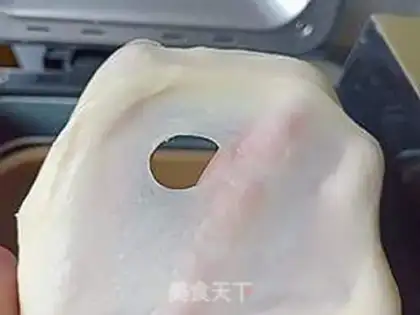
9
The procedure ended with the insertion of coconut oil (creasing in the refrigerator to be cooled and sequester better into the noodles, where no coconut oil could be replaced with butter) and the “and noodles” procedure was re-launched. After the completion of the second "and face" procedure, a small section of the face was slowly removed, which would remove a large piece of thin film (i.e., the mural) that could not easily be broken, and break through the edge of the hole in a smooth way。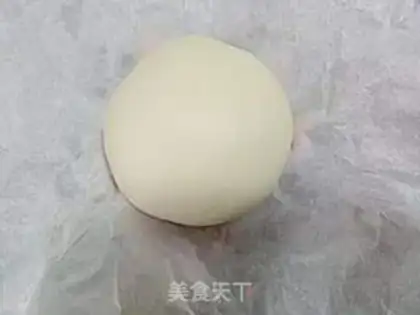
10
The little noodles were then removed into the noodles, and the round noodles were packed with oil paper and put in the freezer (note: it's frozen!) for 20 minutes。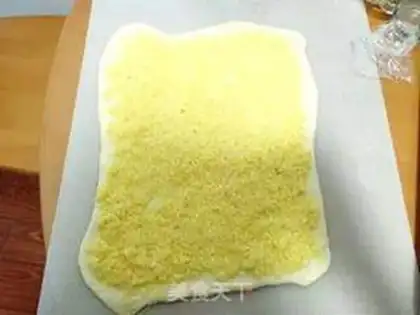
11
In 20 minutes, the dough was removed, and the large rectangular form (the width of the face is longer than the length of the 450 grams of toast box) was evenled on the coconut cortex (not to leave a bottom undefeated) and the material was pressed gently with the hand。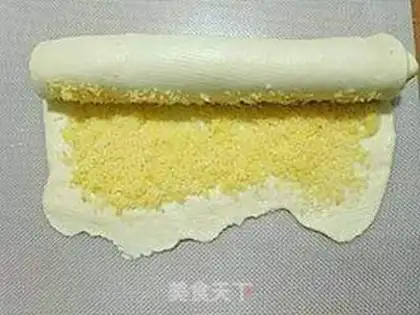
12
On the bottom of the thin, from the top down。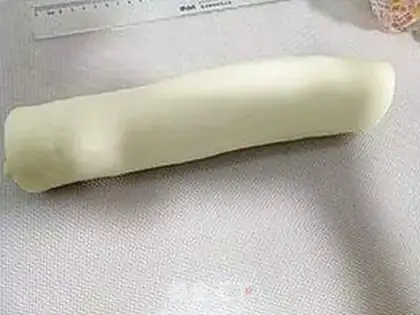
13
Stick to the bottom and shut down。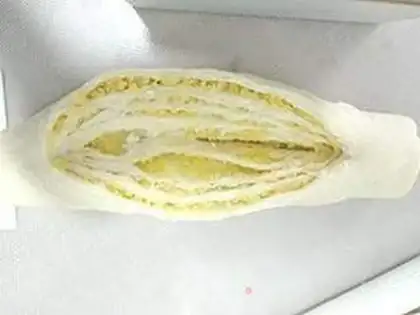
14
Cut it in the middle of the roll and cut it to the end, but don't open it。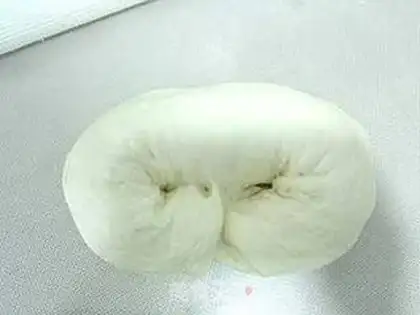
15
Turn the sliced rolls up, make the cut face forward, close the two sides in, and tighten the interface。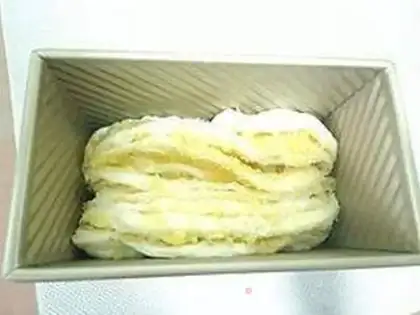
16
Then he turned his face over and put it up in the toast box for a second fermentation, and I usually put a baking paper on it with my hands, and put a wet towel on it and kept it wet。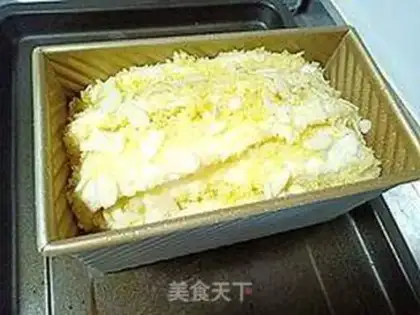
17
To the bottom of the oven, which is pre-heated at 170 degrees in advance, and baked for 35 to 40 minutes。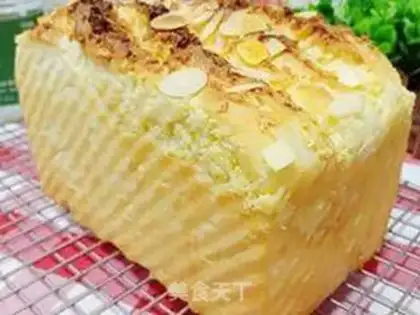
18
Watch it while it's baked. Cover it with tin paper. I'm late. A light fall from 10 cm above the desktop when the furnace is released and then demould to hang on the cooling shelf。Coconut toast Make Tips
Two “old talk” of making bread: “Don't put all liquids from the material table in front of the surface, since the branding of flour, the humidity of the environment in which it is operated, will affect the water intake of flour, leaving 10 per cent of the liquid, and checking the softness of one of the lower layers of the surfaces to determine whether to add liquid or dry flour. 2. Each oven has a different spleen, so the temperature must be set and baked on the basis of its own oven, so that if the bread is not cooked, it can be easily pressed by hand on the face of the bread (be careful not to burn) and it will be ready immediately. If there is enough color on the surface for bread to be cooked, a sheet of tin paper can be placed on it to avoid being too dark。