Three-silk soba noodle
By ArnoldoHintz

I read the "Flower Fish" diary "Today's Nutritional Breakfast... Baby Vegetable stir-fried soba noodles ", I ate three-shredded stir-fried noodles for lunch! Haha! It's really simple, fast, convenient and delicious.
Recipe Recommendations
- onion half a
- carrots half a
- bell pepper one
- salt 3 grams
- red pepper 10 capsules
- pepper appropriate amount
- salty and fresh
- fried
- ten minutes
- simple
Steps for Three-silk soba noodle
1
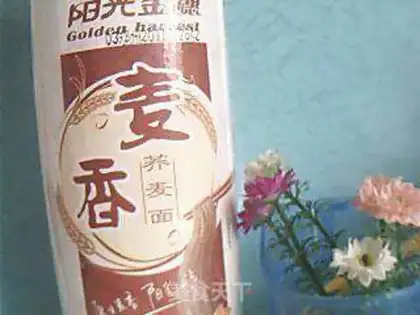
Prepare the ingredients first, 100 grams of soba noodles.
2
Shred bell peppers.
3
Shred carrots.
4
Shred half of the onion.
5
Boil water, cook the noodles, and put them in cold water for later use.
6
Heat the pan to cool the oil, saute the fragrant red pepper without removing it.
7
Add shredded carrots, shredded onions, and shredded green peppers and stir fry.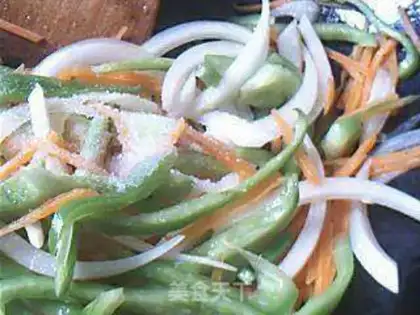
8
Stir fry three shredded silk and add 3 grams of salt when it is almost cooked. Stir fry until fragrant.
9
After the salt has been seasoned, remove the cooked noodles and place them in the pan and stir-fry.
10
Stir fry evenly and add to the flavor, and you can serve the pan.
11
The three strands are crispy, the noodles are strong, and the three strands of fried noodles are evenly flavored.
12
Only when I was eating did I realize that 3 grams of salt was a little too much, and it seemed a little too much. Drinking water all afternoon.Three-silk soba noodle Make Tips
Buckwheat flour contains 70% starch and 7%-13% protein, and the amino acid composition in its protein is relatively balanced, and the content of lysine and threonine is relatively rich. Buckwheat flour contains 2%-3% fat, and the content of acid and linoleic acid, which are beneficial to the human body, is also high. These two fatty acids play a role in lowering blood lipids in the human body, and are also an important part of an important hormone, prostaglandins. The vitamins D1 and B2 in soba flour are 3-20 times that of wheat flour, which is rare in general grains. The biggest nutritional characteristic of soba flour is that it is rarely found in general foods, that is, it contains a large amount of niacin and rutin. Both of these substances have the effect of lowering blood lipids and serum cholesterol, have important preventive and therapeutic effects on hypertension and heart disease, and are good medicines for the treatment of cardiovascular diseases. Soba flour also contains more minerals, especially phosphorus, iron and magnesium, which is of great significance for maintaining the normal physiological functions of the human cardiovascular system and hematopoietic system. The energy per 100 grams is approximately 1411 kJ.