Hong Kong taro cakes originate from Chaoshan, Guangdong. The cakes are all very delicious, including tea cakes, grass cakes, rat songs cakes, red peach cakes... I like many cakes, and each has a unique taste.
Both salty and sweet ones have their own merits, but they are both delicious.
I think the proportion must be accurate when making this kind of snacks, and the proportion and dosage cannot be changed at will, otherwise the difference will be thousands of miles.
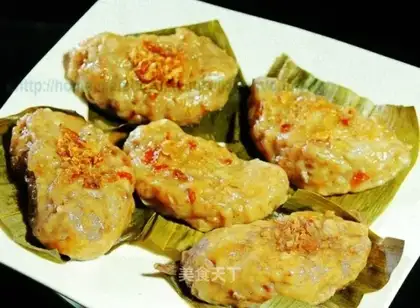
The steamed taro cake has a strong aroma of zongzi leaves and crispy red shallots on it. The aroma of pork and dried shrimp are fully integrated with the shredded taro, while the aroma of the taro itself and the dense, smooth, soft and waxy taste of glutinous rice fill the mouth. The fried golden taro cake also adds to the crispy taste at the bottom. It is crispy at the top and bottom but the layered taste is slightly different. Coupled with the aroma of black pepper and the slightly spicy taste of white pepper, it is a real enjoyment.
Hong Kong-style golden taro cake
By AliJaskolski
Recipe Recommendations
- glutinous rice flour 300g
- pork 120g
- shrimp 60g
- water 220g
- lard appropriate amount
- eucalyptus leaves appropriate amount
- soy appropriate amount
- salt appropriate amount
- pepper appropriate amount
- spiced powder appropriate amount
Steps for Hong Kong-style golden taro cake
1
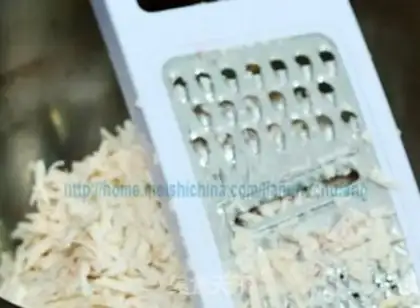
Peel and shred the taro (wash the taro and the slicing equipment before slicing, and never wash it again after slicing).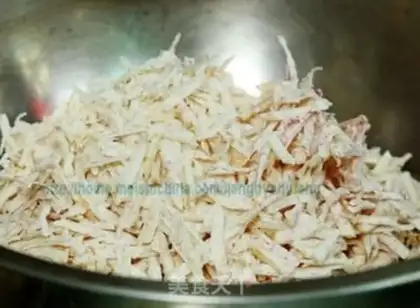
2
Spread out the shredded taro for later use.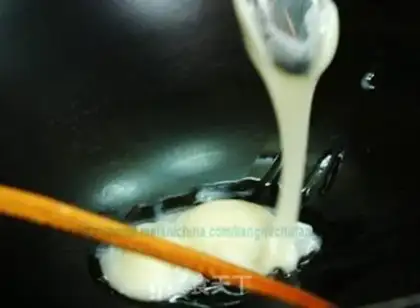
3
Put lard in the pan and turn on low heat.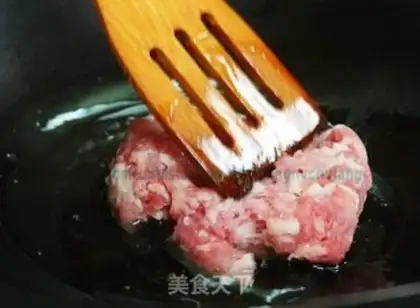
4
Add the grated pork and stir fry.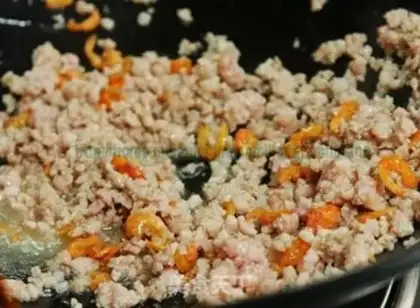
5
Add dried shrimp to the pork and stir-fry.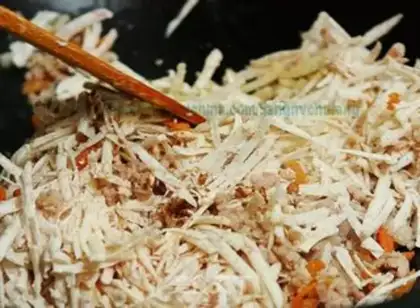
6
After stir-fry until fragrant, add shredded taro and stir-fry.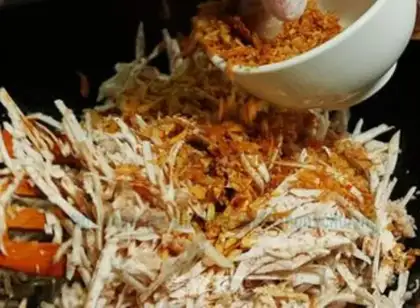
7
Add soy sauce, sugar, and fry the red shallots (the method of frying the red shallots is the same as frying garlic, refer to the method of making fried garlic in my Hong Kong-style Hiding Crab)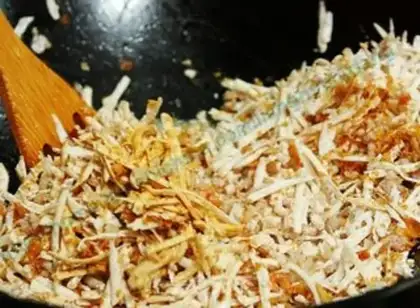
8
Add a small amount of salt after frying until fragrant.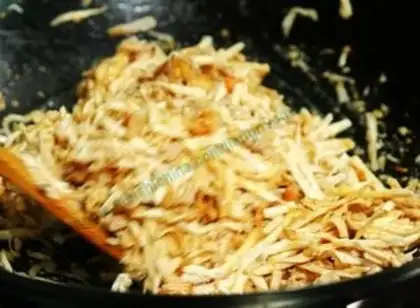
9
Add five-spice powder and stir.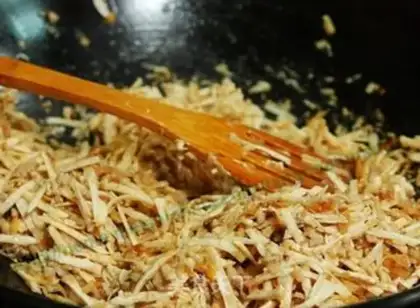
10
Add water and stir fry, then simmer until the water is dry. After the water is dry, add the fried red shallots again, mix well and turn off the heat for later use. (The red shallots added after the water is dried are added to increase the crispy taste, so be sure to add the red shallots again)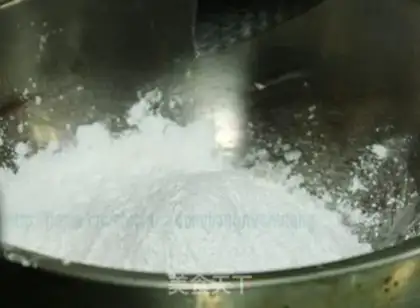
11
Sift the glutinous rice flour and set aside.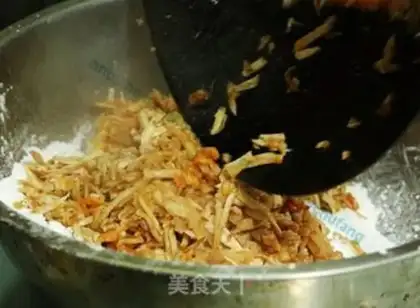
12
Pour the ingredients in the pan that have just been fried into the glutinous rice flour.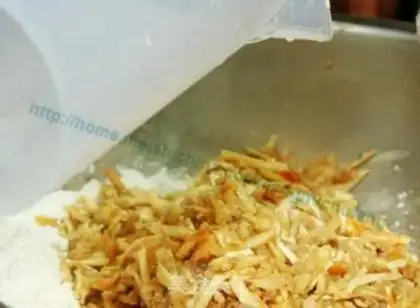
13
Add water and mix well the two. Don't add too much water at once. Try adding a small amount each time to avoid failure in adding more at once.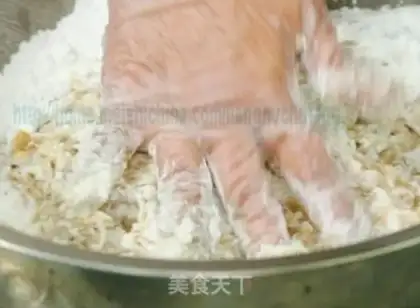
14
Wear kitchen gloves and mix well (wearing gloves is hygienic and won't stick to your hands)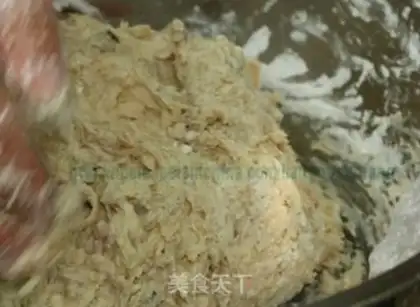
15
After kneading it into a dough, it is fine (it doesn't need to be like making pasta, the dough needs to have a high moisture content, as shown in the picture).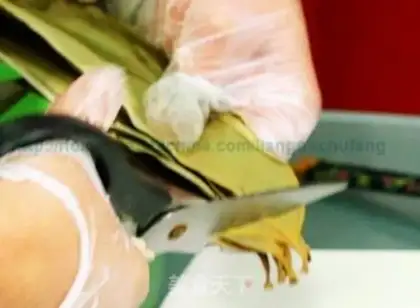
16
Remove the leaves.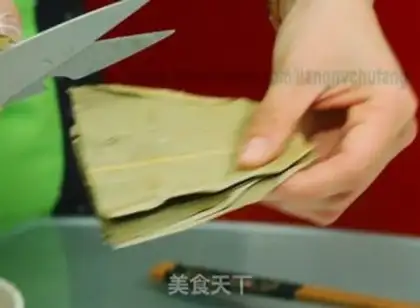
17
Trim the zongzi leaves into squares.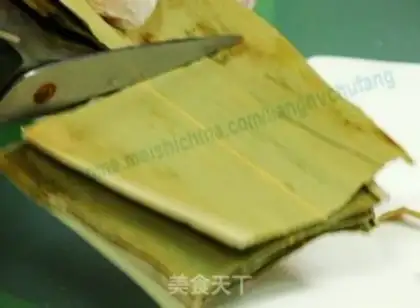
18
Also subtract the tail (leaf tip) of the zongzi leaves, and then brush the leaves with oil evenly.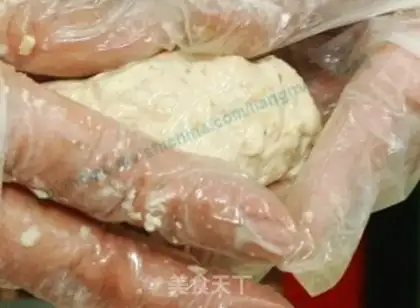
19
Stick a little oil on the gloves to divide the dough into equal parts, and then knead it into shape.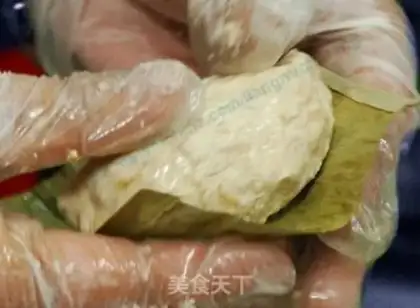
20
Place the shaped taro cake on the rice dumplings.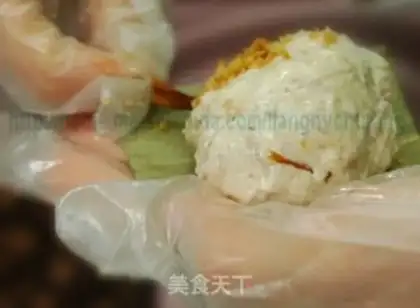
21
Sprinkle fried red shallots on the dough.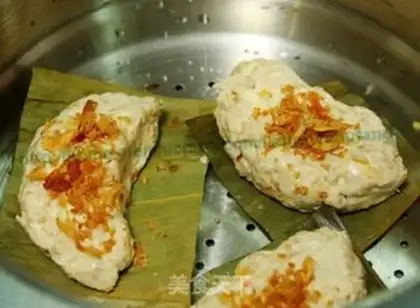
22
Put it in a steamer and steam for 20 minutes before taking it out and eating directly.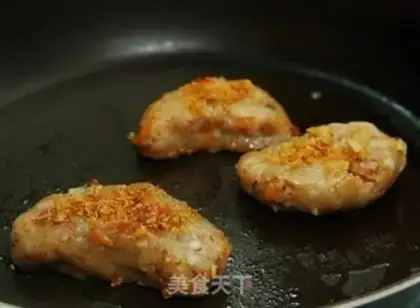
23
After steaming, remove and place it in a greased pan and fry until evenly dispersed with a little pepper to increase the aroma. (You can fry it on one side, so you must fry it until one side is golden and it will not burn. You must fire lightly)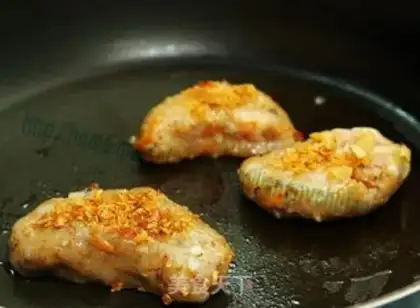
24
Wait until it turns golden and you can take it out and eat (use a spatula to lift the bottom surface and take a look).