Seatfish sushi cookies
By VicentaLakin
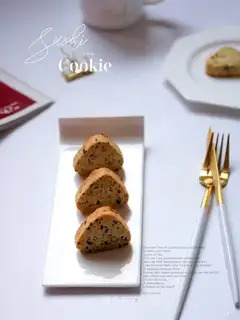
I shared a salty fragrance with the seaweed sushi cookies, which I incorporated into the idea of a sushi meal, added to the recipe the food-meal sushi sushi and integrated into the ice cookies process, giving the cookie a unique taste of salt. In contrast to other cookies, the production of ice cookies is accompanied by the freezing of noodles in the refrigerator, which restores stability to butter, a step that makes the finished product more comfortable。
Recipe Recommendations
- butter 65g
- fine sugar 25g
- salt 2g
- almond powder 17g
- whole egg liquid 15g
- low-gluten flour
- Bonito fish and seaweed shredded 15g
- salty and sweet
- roast
- ten minutes
- ordinary
Steps for Seatfish sushi cookies
1
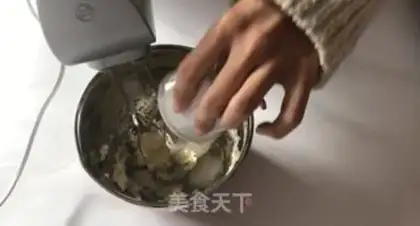
Soft butter, with a small distribution, then a single sugar, salt, until the butter is released into a delicate state。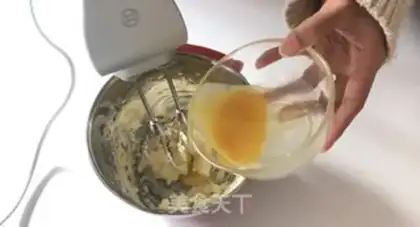
2
The whole egg fluid was added in three to five minutes, each to be fully absorbed, avoiding the separation of water and oil。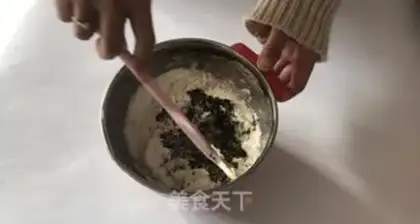
3
The mixed almond flour is added to the distributed butter with a scrunch。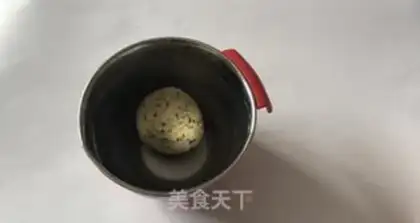
4
Joined with the fish moss and mixed it with a razor。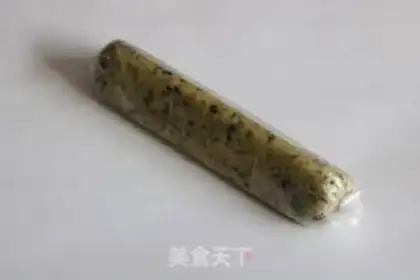
5
Triangular columns are made of hand-to-hand, covered in protective film and frozen in the refrigerator for about 20 minutes。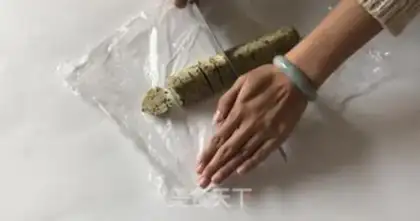
6
when removed, the protective film is torn and cut into 1.5 cm thick。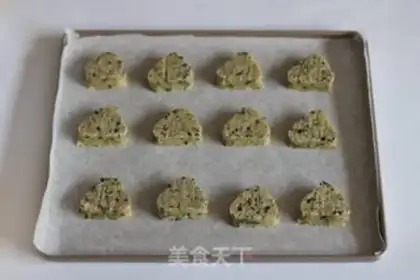
7
The saucer is covered with oil; the sushi-shaped cookies are cut and evenly distributed into the oven。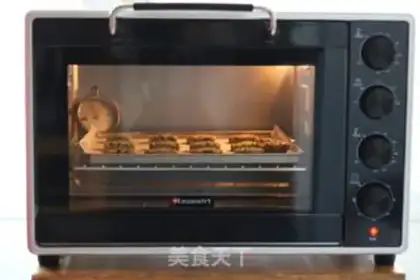
8
The oven warms up to 165°C for 18 minutes。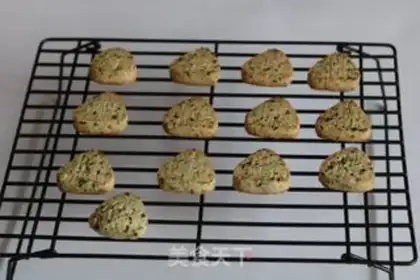
9
Baking is done, sushi cookies are removed, and they're drained into the grill。Seatfish sushi cookies Make Tips
1. A large amount of grease is used in the cookie formulation, and therefore the ratio and degree of passivity of butter in the raw materials determines the taste of the finished product, so please follow strictly my formulation. 2. The full distribution of butter is premised on softening, the lack of or excessive softening will affect subsequent distribution. Butter at 20-22°C is in the most suitable condition for a break, at which point a finger is pressed to the butter, leaving a clear finger print. If indoor temperatures are around 25°C, the refrigerated butter is removed in a state of natural return. 3. It is essential to add constant liquids instead of refrigerated cryogenic liquids, with a small number of entries, each to a full absorption and then to the next volume, to ensure that oil and water are not separated。