There are many types of sushi. This is called Kami sushi and belongs to Edogawa sushi.
Authentic Japanese sushi will not be fishy at all, because the freshness of the ingredients and the correct method will only produce a fresh, sweet, smooth and tender taste.
Soak your hands in ice water before making sushi, which can reduce the temperature of your hands and cool the oil on your hands in a short period of time, so that your hands can avoid getting stained with fish, which affects the taste of sushi.
Especially for sashimi, you cannot touch it directly with warm hands, which will affect the freshness of the fillets. Usually a basin of ice water is prepared. Before making sushi, place your hands in the ice water for a few seconds before starting to make sushi. Once your hands start to heat up, put them in the ice water to cool down. In addition, the temperature on the palm is low, and the sushi rice does not stick to the hand so easily.
Deboning and cutting sashimi is a very professional subject. Be sure to pay attention to the tendon position and texture, cut it against the pattern, and cut it with one stroke, so that the fiber of the fish will not be damaged and the loss of water will be reduced. The sashimi will not be easily moldy and lose its elasticity.
This is basic knowledge. Because the main flavor and nutrients of fish are concentrated in the tendons and texture, they can only be preserved by cutting them against the patterns. The knife is the soul of cutting fish slices. The better the knife, the easier it is to retain the flavor of the fish. Before cutting, you also need to place the knife on ice to chill.
mackerel sushi

Recipe Recommendations
- firewood fish slices appropriate amount
- mackerel appropriate amount
- white rice appropriate amount
- garlic appropriate amount
- olive oil appropriate amount
- basil appropriate amount
- plum appropriate amount
- teriyaki sauce appropriate amount
- rock sugar appropriate amount
- maltose appropriate amount
- cheese powder appropriate amount
- sea salt appropriate amount
- vinegar appropriate amount
- sugar appropriate amount
- salt appropriate amount
- green sauce appropriate amount
- miso appropriate amount
- salad dressing appropriate amount
Steps for mackerel sushi
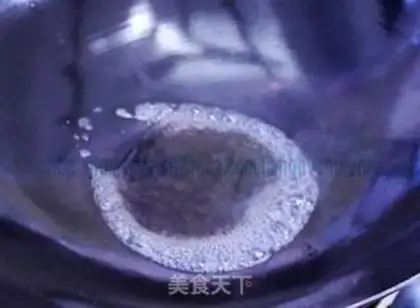
1
First make the Teryaki sauce, and put the firewood fish stock into the pan.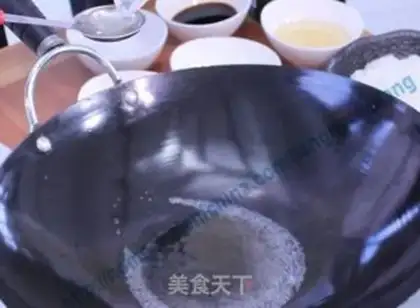
2
Add six times the water of the stock to the stock (you don't need to add water to the homemade Chaiyu stock, but you need to add water if it is concentrated stock or a stock block).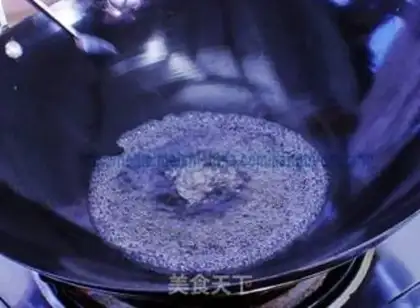
3
Add appropriate amount of rock sugar.
4
Add appropriate amount of sucrose (sucrose is not white sugar, it is the first sugar produced after sugarcane juicing. It is yellow in color and slightly red in coarse sugar).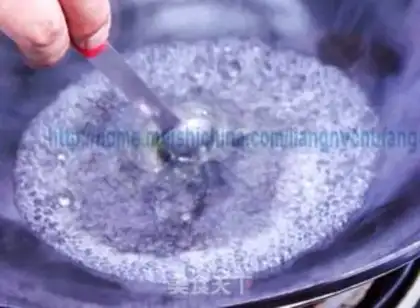
5
Add appropriate amount of maltose.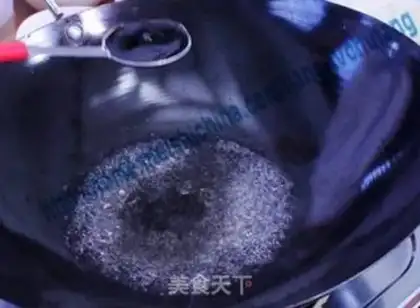
6
Add Japanese soy sauce.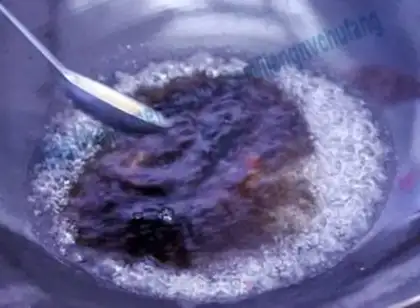
7
Lower heat, stirring constantly, stir the rock sugar and granulated maltose until melted and evenly mixed.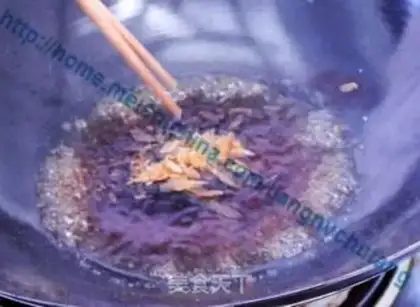
8
Add appropriate amount of firewood fish fillets.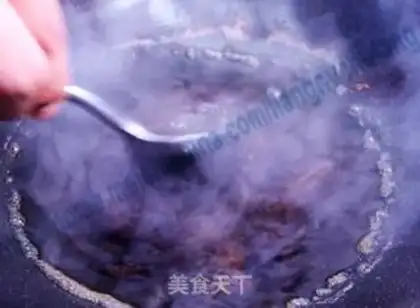
9
Continuously stir and simmer over low heat until sticky, and the Teraki sauce is made.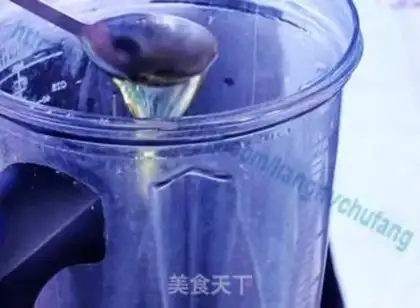
10
Make the green sauce next and add the olive oil to the cooking machine.
11
Add garlic or squeezed garlic juice to olive oil.
12
Add sea salt.
13
Add the cheese powder.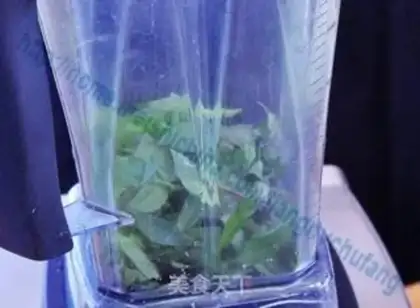
14
Finally add basil leaves.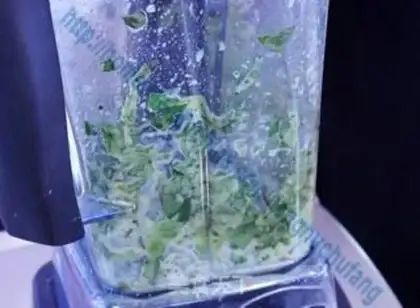
15
Turn on the machine and beat the juice until the leaves are shredded, and the green sauce is ready.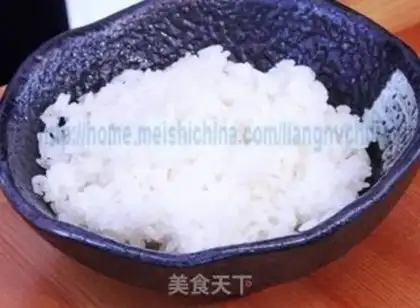
16
After preparing the above two sauces, start making sushi vinegar rice. Spread 400g of cooked rice to make it convenient to add seasonings and mix well. (Good vinegar rice requires mixing new rice and old rice and then adding soft water to semi-steam. Because the new rice is more sticky, the viscosity will be greater after adding vinegar, so it needs to be cooked with old rice to be soft and elastic. Soft water is pure water without impurities. Semi-steaming means cooking in a bamboo pot. The taste of cooking in an electric pot is different from that of using charcoal. The taste of boiling in a bamboo pot over high fire is different.)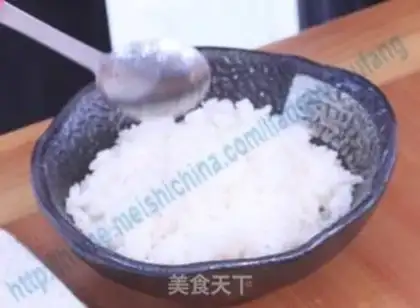
17
Add sushi vinegar rice seasoning. (Sushi rice definitely doesn't just add vinegar and sugar, but sushi vinegar adds equal amounts of sugar, sea salt, and plum juice. The mixed rice will have a very soft sour taste, with sweetness in acid and sourness in sweetness.)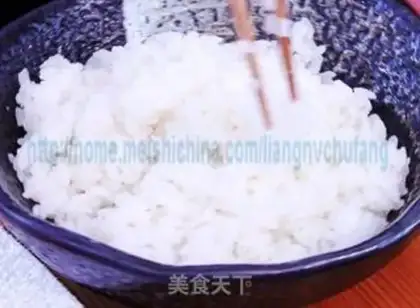
18
After the seasoning and rice are completely mixed, be sure to wait until the rice is cool, otherwise any seafood will have a fishy smell.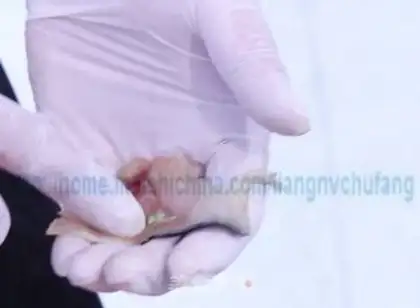
19
Put on gloves and place your hands on ice and chill for 5 minutes. Remove the mackerel slices and top with mustard. (People with high hand temperatures are not suitable for making sushi, which will turn the fresh meat fishy. Here, authentic Japanese sushi must be made with authentic Japanese mustard made from wasabi, not horseradish or so-called mustard seeds. Made into sauce)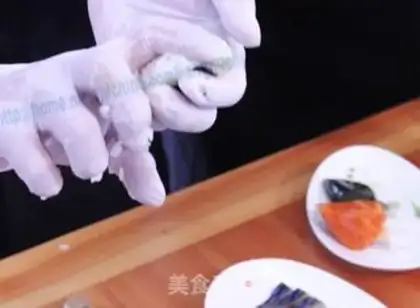
20
Put appropriate amount of vinegar rice on the mackerel slices.
21
Press and shape into a fan shape. Sushi is the best shape for holding sushi in hand. The force should be moderate. The rice grains should not be crushed. They should stick together just and the grains should be clear. The entrance must be soft and melted at the entrance. If it is hard, it is a failure (see an open fan on the side).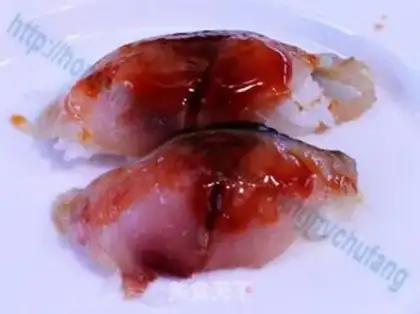
22
Place upside down on a plate and coat with homemade Teryaki sauce.
23
Burn the spray gun until the surface is slightly cooked to slightly turned.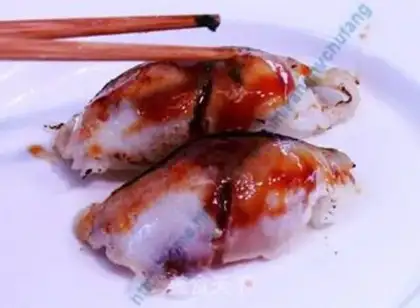
24
Order homemade green sauce.
25
Squeeze with the mixture of salad dressing and miso dressing. (Mix the two and put them into a food bag, and cut off a small opening at the sharp corner)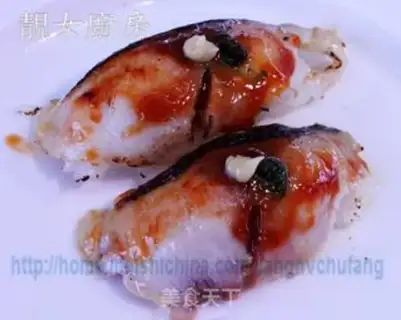
26
Authentic Japanese sushi is completed.mackerel sushi Make Tips
Many people have a misunderstanding about mustard and think that mustard is spicy and pungent. The green mustard that is really used to eat sushi is actually wasabi. Authentic Japanese WASABI is an indispensable seasoning for Japanese cuisine. The fresh mustard flavor is not pungent. It is fresh, fragrant, juicy and slightly spicy. After tasting fresh wasabi mustard, you will never touch the "mustard" again. Horseradish, also known as horseradish, is also known as Wasabi, and the finished product is also known as WASABI. Most of the horseradish sauce (mustard chili sauce) and horseradish powder currently on the market are made of horseradish due to cost reasons. Horseradish originated in southern Europe and Turkey. It was introduced to Shanghai by the British and is currently cultivated in Shanghai, Jiangsu, Shandong, Liaoning, etc. The taste is spicy and pungent, and many people cannot accept it. Mustard, also known as mustard seed, is a common seasoning in the mainland of China. It is the seed of mustard and is cultivated in most areas of the mainland of China. The mustard powder and mustard oil made from it are a common seasoning in the northern part of the mainland and are mainly used to mix vegetables. The spicy and pungent taste has been eaten since the Zhou Dynasty in China. Most authentic Japanese restaurants use authentic wasabi to make mustard, which is one of the reasons why the sashimi they make is not as good as Japanese restaurants.