Speaking of snacks in my hometown, what I can't help but talk about is the extremely delicious buckwheat noodle ear covers. Every time I go home, I have to find a restaurant to sit down and taste a good plate. Otherwise, I always feel that there is something missing.
The ear cover is named because its finished product resembles the ear cover used by northerners to keep their ears warm in winter.
There are many ways to eat ear covers. You can eat them directly dipped in garlic and spicy sauce after cooking. You can add mutton whistles, or you can stir-fry them. Today, I will introduce a simple stir-fried and eating buckwheat noodles ear cover.
Buckwheat protein is rich in lysine, trace elements such as iron, manganese, and zinc are richer than ordinary grains, and is rich in dietary fiber, 10 times that of ordinary refined rice. Therefore, buckwheat has a good nutritional and health care effect.
Buckwheat is rich in vitamin E and soluble dietary fiber. It also contains niacin and rutin (rutin). Rutin has the effect of lowering human blood lipids and cholesterol, softening blood vessels, protecting vision and preventing cerebral vascular hemorrhage. The niacin component it contains can promote the body's metabolism, enhance detoxification ability, and also has the effect of dilating small blood vessels and lowering blood cholesterol. Buckwheat is rich in magnesium, which can promote the dissolution of human fibrin, dilate blood vessels, inhibit the formation of blood clots, has anti-embolic effects, and is also conducive to lowering serum cholesterol.
Certain flavonoids in buckwheat also have antibacterial, anti-inflammatory, antitussive, antiasthmatic, and expectorant effects. Therefore, buckwheat is also known as "anti-inflammatory food". In addition, these ingredients also have the effect of lowering blood sugar. Traditional Chinese medicine believes that buckwheat has a sweet and flat nature and has the effects of strengthening the spleen and replenishing qi, appetizing and broadening the intestines, and promoting digestion and resolving stagnation.
However, it should be noted that you should not eat too much buckwheat at one time, otherwise it may easily cause indigestion. People with spleen and stomach deficiency and cold, poor digestive function, and frequent diarrhea should not eat it.
Buckwheat flour ear cover

Recipe Recommendations
- buckwheat flour 200 grams
- ham 1 piece
- tomatoes one
- onion half a
- mung bean sprouts appropriate amount
- onion 1 piece
- Jiang 1 small piece
- hot and sour
- fried
- three-quarters of an hour
- senior
Steps for Buckwheat flour ear cover

1
Place the soba flour and wheat flour in the same pot, add appropriate amount of warm water and mix to make a smooth dough, cover and simmer for half an hour.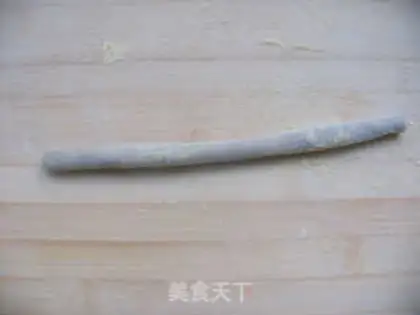
2
Take a small piece of the boiled noodles and rub them into thin strips. The thickness of the molding depends on the size of the ear cover you want to make.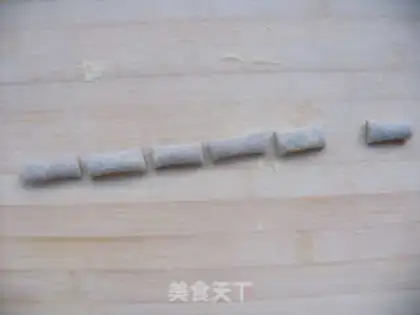
3
Cut into small pieces of about 2 cm.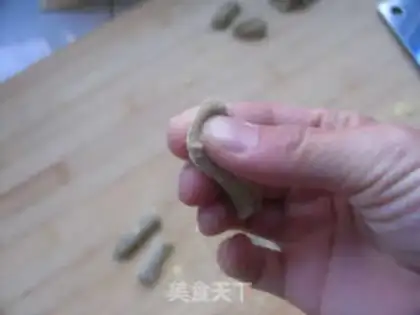
4
Pick up a small section, place it on the index finger of your right hand, and hold it down with your thumb. Left-handed is another matter!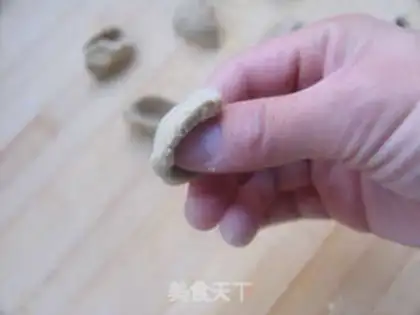
5
Keep your index finger still, place your thumb in the dough and gently push it up little by little.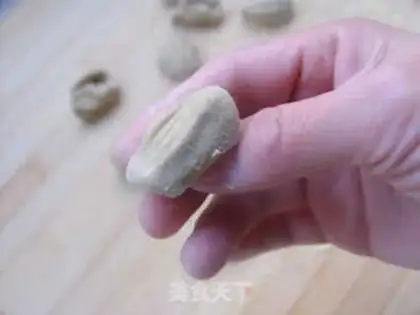
6
Push all the way to the end of the face segment.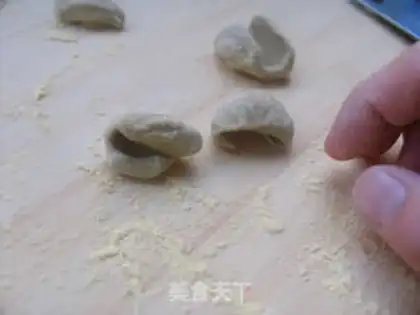
7
One ear cover succeeded. See if it looks like ear muffs?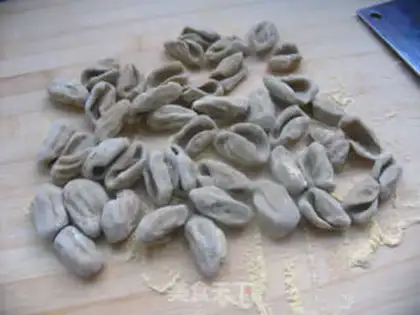
8
Make all ear muffs in turn.
9
Boil the water in the soup pot and boil it into the ear covers.
10
After the ear covers are boiled, add a small amount of cold water, cover and boil again. Cook this for three to four courses, turn off the heat, remove the ear sleeves and drain the water for later use.
11
Slice the ham.
12
Slice onions, green peppers and onions.
13
Tomatoes are cut into hob blocks.
14
Wash the mung bean sprouts clean and control the moisture.
15
Heat the oil in a wok and stir-fry the green onions, green peppers and onions.
16
Add tomatoes, add two spoonfuls of thirteen spices, and stir-fry to make red juice.
17
Add mung bean sprouts and stir fry for half a minute. Add ham slices and stir fry.
18
Pour in the cooked ear covers.
19
Season with appropriate salt.
20
Add some oyster sauce.
21
Stir fry evenly and serve.Buckwheat flour ear cover Make Tips
1. Pure soba flour has a rough taste and poor gluten. Adding a small amount of wheat flour can not only improve the taste, but also improve the gluten of the flour. 2. It is recommended not to make the ear covers too big, because the soba noodles are difficult to digest. If the ear covers are too big, it will be difficult to cook and soften, and it will be difficult to digest when eaten. 3. Don't eat too much buckwheat at one time, otherwise it may cause indigestion. 4. People with spleen and stomach deficiency and cold, poor digestive function, and frequent diarrhea should not eat it.