Lotus root has high nutritional value. It is not only rich in trace elements such as iron and calcium, but also rich in plant protein, vitamins and starch. It has obvious effects in replenishing qi and blood and enhancing human immunity.
Lotus root starch is a long-standing traditional nourishing food. It is very good in terms of nutritional value and medicinal effect. In addition to starch, glucose and protein, it also contains calcium, iron, phosphorus and a variety of vitamins. Traditional Chinese medicine believes that lotus root can nourish the five internal organs, harmonize the spleen and stomach, and enrich blood and qi. Raw lotus root is sweet and cool in nature, and cooked food also changes in nature. It is easy to digest, but also has the effects of promoting saliva and clearing heat, nourishing stomach and nourishing yin, strengthening spleen and qi, nourishing blood and stopping bleeding.
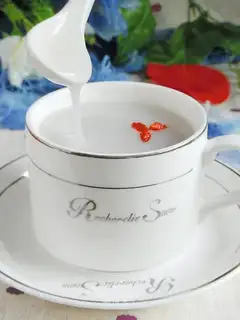
Lotus root flour is a gluten-free powder. It is made from dry lotus root, which is relatively time-consuming, so I used fresh lotus root to make fresh lotus root flour. The appearance is crystal clear, the taste is extremely tender and smooth, without any impurities. Whether you are yourself, your children, or the elderly, you are very suitable. (If you have osmanthus at home, add a little to make it more fragrant.)
"Lotus is a treasure, but winter lotus roots are the most nourishing." This winter, make more bowls of fresh lotus root flour for children and elders who can't bite lotus root.
Homemade fresh lotus root flour
Recipe Recommendations
- qingshui a bowl
- rock sugar to which various
- sweetening
- other
- half an hour
- ordinary
Steps for Homemade fresh lotus root flour
1
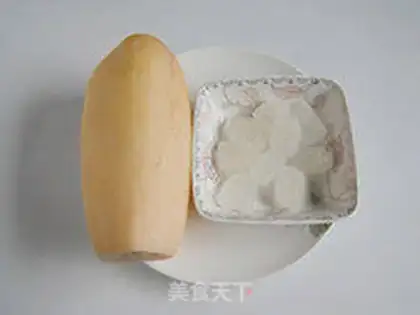
Material drawings. (Lotus root, rock sugar)
2
Prepare a bowl of clear water first.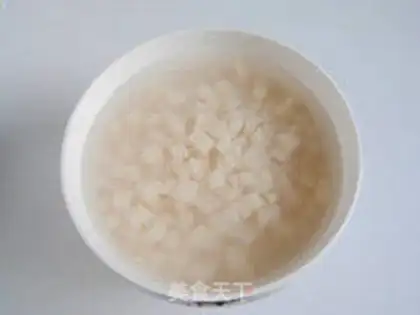
3
Wash and peel the lotus root, cut it into dices, and soak it in clear water.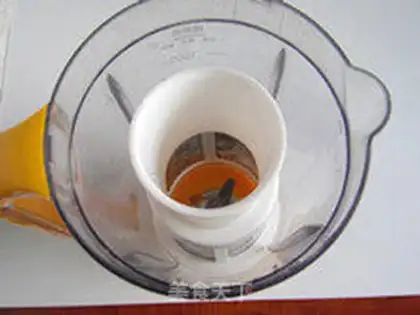
4
Install a filter on the cooking machine.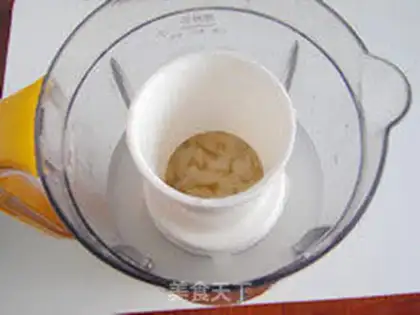
5
Put the diced lotus root into a filter and pour in the clear water used to soak the lotus root.
6
Stir until juice.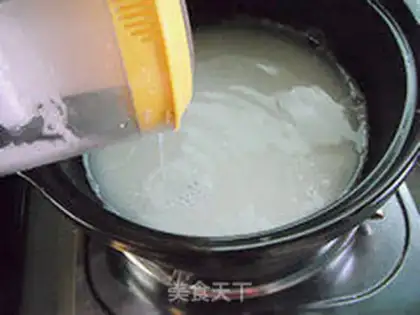
7
Pour the stirred lotus root juice into the casserole. (Be careful not to remove the cover, otherwise the filter will loosen and the lotus root residue will penetrate into the lotus root juice)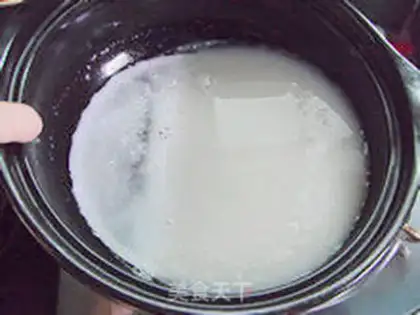
8
When the pouring is over, the lotus root flour in the lotus root juice poured in earlier will precipitate at the bottom.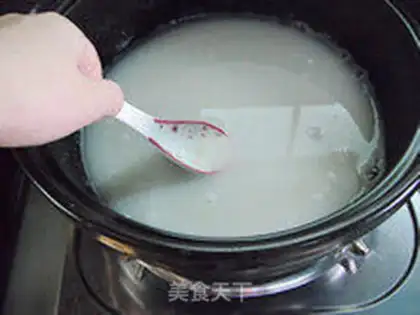
9
Use a spoon to stir the lotus root starch juice evenly. Then turn on medium heat again, and change to low heat after the pan heats up.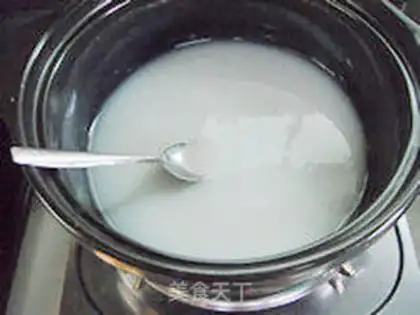
10
Stir while cooking until lotus root starch is transparent, sticky, and cooked. Add rock sugar halfway through.Homemade fresh lotus root flour Make Tips
Poetic heart phrase: 1: It is best to choose old lotus roots, not too tender. 2: Install a filter when stirring, because the filter is finer than any filter colander. This will make the finished product taste better. 3: Be sure to stir well before cooking, and then open fire. And be sure to stir all the time when cooking. 4: You can use medium heat at the beginning. When the hands stirring in the pan can clearly feel the heat, change it to low heat to avoid boiling. 5: When the lotus root is cut, soak it in clear water immediately to avoid oxidation and blackening. Use a clean knife board specially designed for cutting fruits when cutting, because it will not be washed after cutting, so as not to wash off the lotus root starch. 6: Don't use an iron pot when cooking. The lotus root flour will not be white. It's best to use a casserole for the effect is very good. 7: The lotus root starch paste I make with this ratio is just right. It is almost as thick as the one I bought. If I like a thinner one, I can have a little more water. It is recommended not to dry it any more than my ratio, because it will be too silky.