The original lasagna
By VicentaLakin
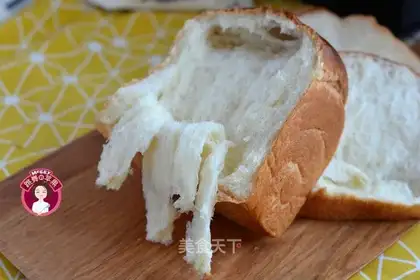
The hardest part of the bread is to have toast, whether the lasagna is in place, and whether the fermentation is in place, all the keys to success. The fermentation should be avoided and the hair should not be overheaded. If today's toast is calculated at 100 points, I can only call it 90 points, because room temperature is 28 degrees, and I'm trying to make toast for breakfast the next day, all of which is room temperature 28 degrees. The only thing I'm lucky about is that I've been freezing two ice bags in the fridge for a long time, so it's not so much fun for me. Flour is my new gold-mounted Japanese toast, and we all know that Japanese toast is super soft and delicate, which has to do with their powder. As a baker, you have to try every time a new product appears on the market. Some say it's a good product, saves failure. In fact, the more products are used, the more objectively they compare the strengths and weaknesses of each product. Flour knows its quality on the finger, which is actually the height I want to reach, but there are no tons or even dozens of tons of flour practice, which may be difficult to achieve. Try it quickly, it's fine, it's fast, it's pretty, it's flexible, it's radish, it's chewy, it's fragrance, it's fragrance, it's normal, it's between 60 and 65%, so when you rub your face, the amount of water doesn't go in and it's adjusted。
Recipe Recommendations
Steps for The original lasagna
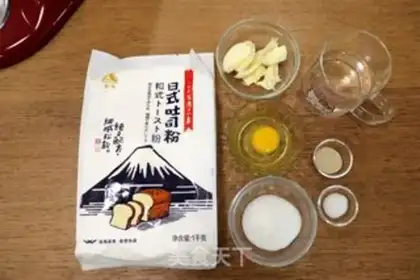
1
The main materials are ready: gold-mounted Japanese toast, butter, eggs, fine sugar, cool water, high sugar-resistant dry yeast, salt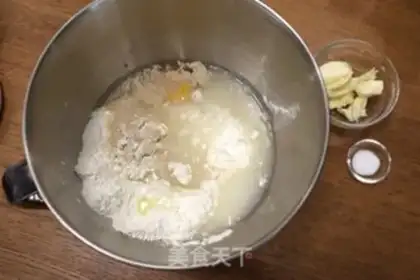
2
All material except butter and salt is placed in a wash drum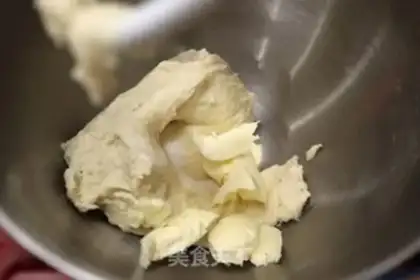
3
(b) Start the low-speed slot of the cooker ' s machine, evenly mix the materials, so that the pasta is able to remove thicker film, add butter and salt, and use the low-speed slot to eat the butter and salt completely into the noodles and then turn them into high-speed; the slot is adjusted to the specifics of the machine used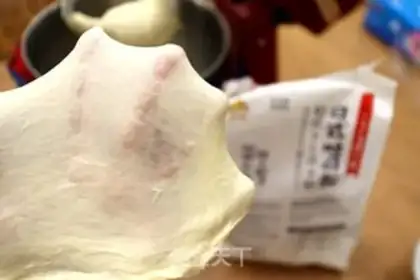
4
The face is soft, delicate and smooth, not sticky, and pulls a piece of face on the palms slowly to produce this transparent and flexible film; I use 13.7 per cent of the gold-sand-silent powder protein, which is higher in the powder, so that it can be easily pulled out of the “misture film” as long as the material formula is right; this membrane can only be passed on, and the gloves of a highly skilled person will be lighter and smoother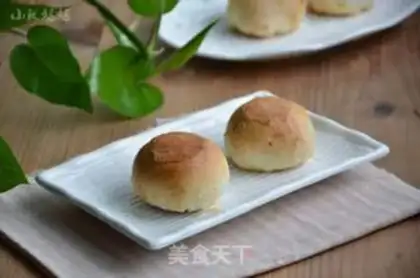
5
To measure the temperature below a single layer, fine, below 26 degrees; all the materials I use are at 28 degrees, but I've enclosed the coating drums with frozen ice bags to reduce the temperature of the noodle in order to slow the fermentation rate of the yeast, so that the noodles can grow better; in this case, it is good to have the thin film in the above picture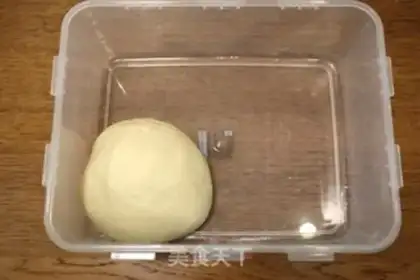
6
(a) The noodles are rounded, placed at the corner of the fermentation box, covered with a lid, and placed in the fermentation box (temperature 28, humidity 75) or in a warm wet place for basic fermentation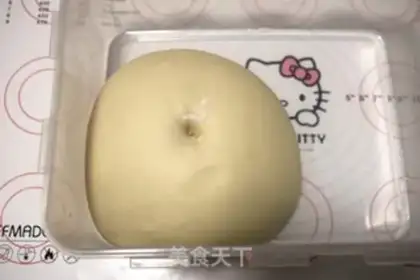
7
The pasta was 2-2.5 times the original hour, and the finger-tip flour poked a hole in the top of the flour, failed to collapse and fermented successfully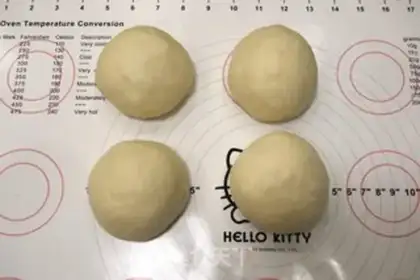
8
(b) A few strokes of the air below the face, weighing four equals, each of which is a total of 380 grams, rounded and covered for 15-20 minutes, and a light pressure on the face by a finger to check if it is in place; a finger can be pressed to indicate a loose spot, if the rebound is not sufficient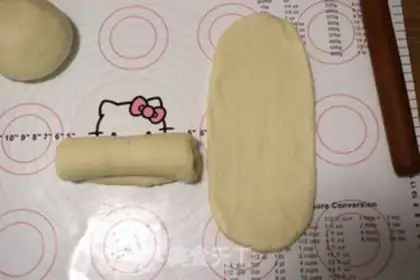
9
(a) A loose, smooth noodle in the form of a wide oxen tongue, a roll from the top down and a seal down; and a right picture in the form of a piece, and a left one in the form of a scroll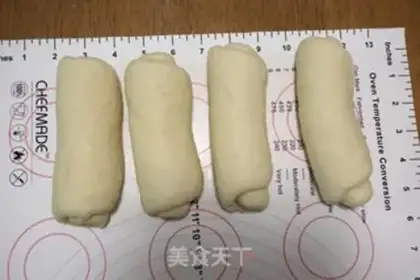
10
(b) The four lasagna are processed in a sequential manner and the membranes are lax for 15-20 minutes; the checks are loose, as in step 8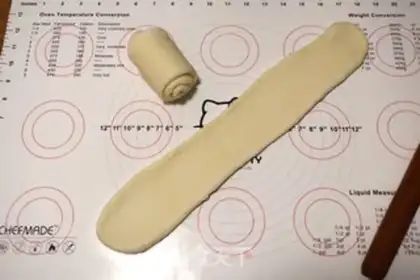
11
(a) Take a loose roll, flatten it with your hand and grow about 50 centimetres of fine strips, which is shorter in width than the inner part of the toast box; roll it down from top to bottom; right map is the shape of the platinum bar, which, if not long enough, can be used on a tilt or vertical basis; on the left is the shape of a roll, which rolls three and a half circles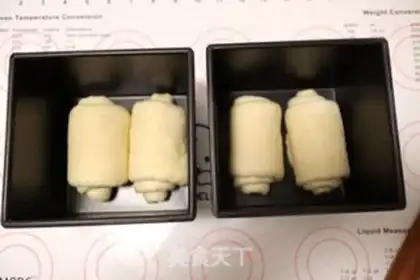
12
The other rolls are processed sequentially, and the roll code is placed in the masquerade toast cube mould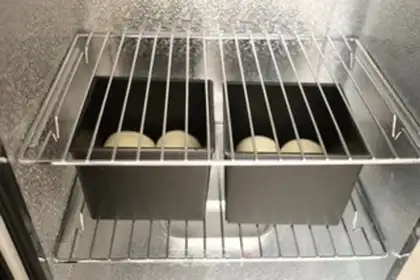
13
(b) Second fermentation, with 38 temperature and 85 humidity, in a fermentation box; no fermentation box can be placed in the oven, with a bowl of hot water at temperatures below 38 degrees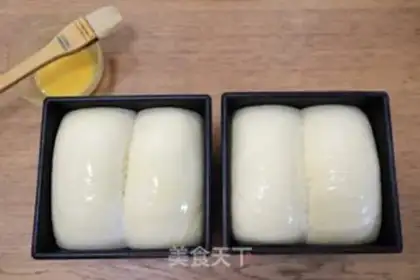
14
When the face rolls rise to 10 minutes full of molds, the surface brushes the egg; the oven starts preheating 230 degrees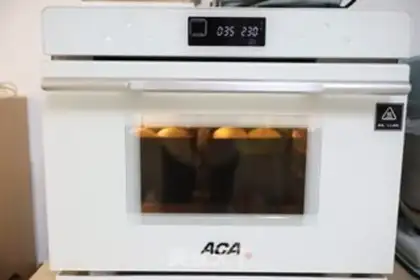
15
(a) Toast scaffolds are sent to the lower floor of the preheated oven, which is hidden from the lower heating tube, with 170 degrees above, 230 degrees below the fire and 30 minutes in effect; temperature and time are adjusted depending on the actual condition of the oven and the material and size of the moulds used; and the surface is coloured and coated with tin paper to prevent excessive colour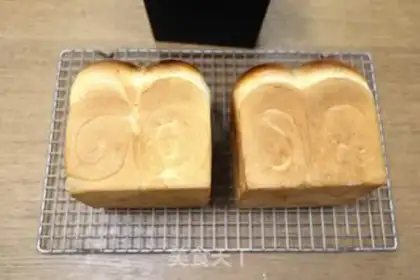
16
The roasted toast will come out of the oven with a few strokes on the desktop and will fall on the hanger, which can be stored in a bag when it warms; hand torn or sliced。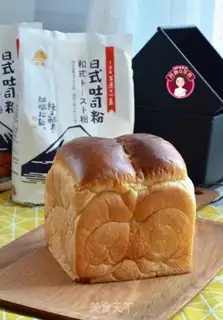
17
It's original lasagna, soft and flexibleThe original lasagna Make Tips
1. The success rate of making toast is low in room heat, so it is more appropriate to make toast at about 25 degrees of room temperature; if you do not really want to open the low air conditioner, you can cool the toast materials in the fridge a few hours in advance and prepare the ice bags around the cans to contain the fermentation speed of the yeast, so that the face is sprawled as quickly as possible, the film is out and the final temperature of the face is controlled below 26 degrees; 2. To make toast is to use high-comfort powder or bread powder with high protein content, which is as high as 13.7 per cent, water-sucking is normal, can easily be filmed, and is so soft as to be fine as to be suitable for baking little white as just entering the door。