Peaches
By VicentaLakin
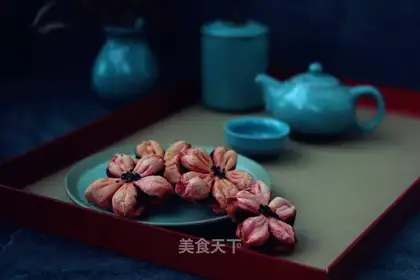
In mid-Autumn festivals, do some Chinese traditional peach blossoms, traditional festivals, in addition to mooncakes, perhaps some Chinese traditional pastries, fragrances, stratification, and the key is a very high price for paint. The color of the peach blossoms is so beautiful, it can also be colored with red edible pigments, but it must be kept in mind, too much is used, and the colours are less beautiful. Peaches are divided into three parts: soaks, oil coats and pies. Among them, the flour required for the sodium is low-banded flour, the oil coats are medium-band flour, and the pies are generally red beans. The oily skins, which consist partly of water, pig oil and condensed flour, rubbing or machine-stamping a smooth face, are in the best condition to pull out the film and do not crack during re-production. I used the gold dragonfish's corset wheat powder, which is easy to film. The soufflés consist partly of low-strength flour and pig oil, and the soufflés in the soufflés are made out of goldfish pastries, which are made out of 100 per cent of good wheat, which are not easy to build, and which are delicious and delicious。
Recipe Recommendations
- Arowana wheat core flour 150 grams
- lard 50 grams
- powdered sugar 20 grams
- water 20 grams
- Arowana cake powder 120 grams
- red rice flour 2 grams
- egg liquid appropriate amount
- black sesame appropriate amount
- red bean paste 400 grams
- sweetening
- roast
- several hours
- senior
Steps for Peaches
1
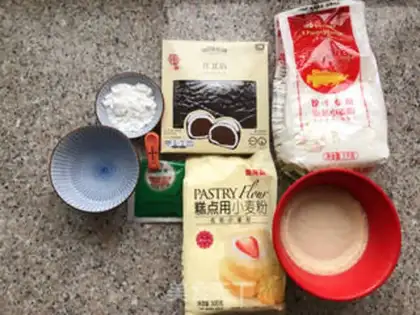
Prepare food。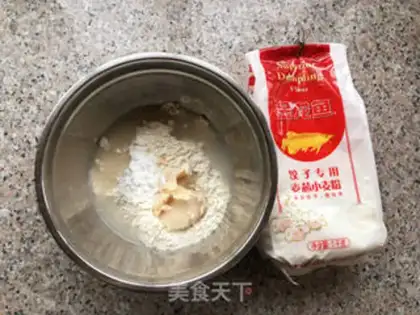
2
Combining raw water oils. I'll put it in a cook's machine or I'll rub it in a smooth face。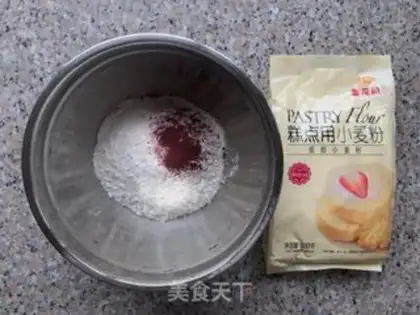
3
We'll bring together the raw materials of the souffle。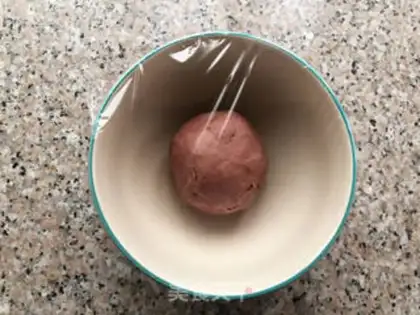
4
The hands were rubbed in groups, evenly coloured, and the covering film was placed in the refrigerator for 20 minutes。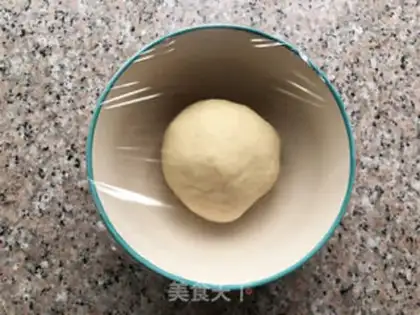
5
The oil coatings were partially covered to the surface smooth out of the membrane, and the covering was loose for about 30 minutes。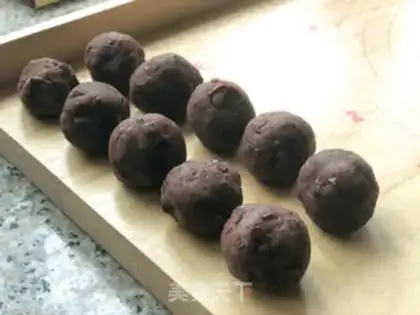
6
Split the bean sand into 16 pieces for 20 grams each. Cover the film after the roll。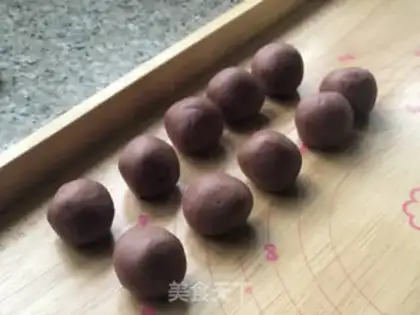
7
On average, the loosely pelt is divided into 16 rollers. Cover the film. The sodium portion was divided into an average of 16 pieces, covering 20 minutes of membranes。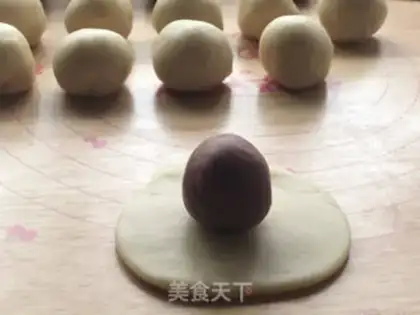
8
The loosely pelt with a stick of face cane, wrapped in sodium. Keep it tight。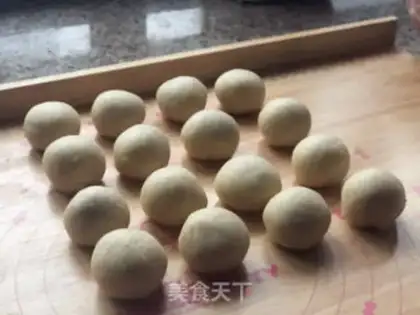
9
All wrapped up and laxed。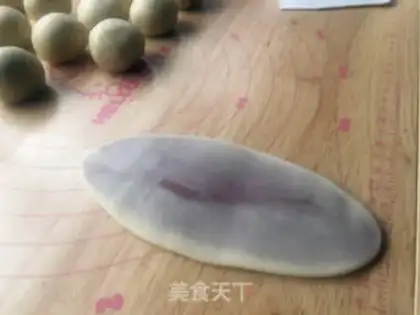
10
Take out the nice, loose noodles, and squirm in the tongue。
11
From the end。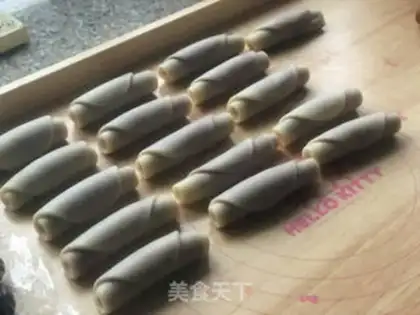
12
When it's all done, the coverings continue to lax for 20 minutes。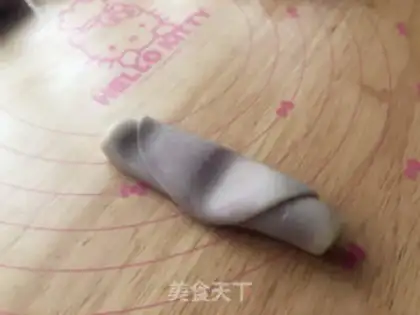
13
Push it from the middle to the back and the back with a cane。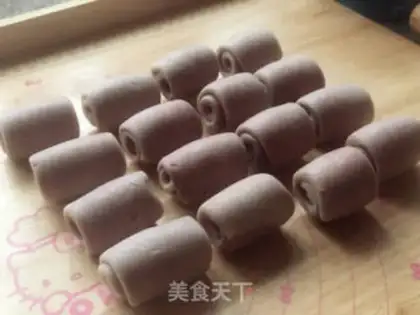
14
Keep rolling when you're done. Don't stomp when you remember. All of them are covered with laxity for 20 minutes。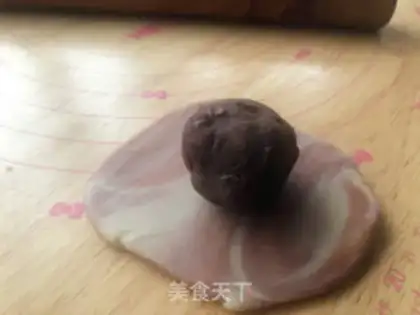
15
Take out a noodle, flip it up on both sides, round it up and put the bean sand in the middle. Keep your mouth tight while you pack。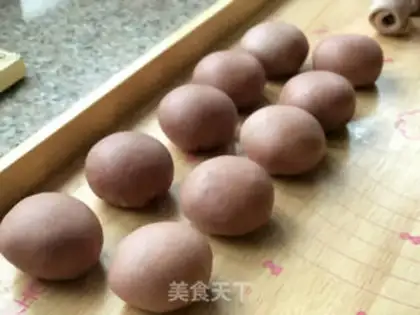
16
Wrap it down。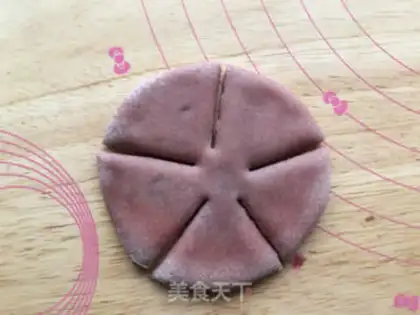
17
Scratch it with your palm, and a little twirl with your face stick. An average of five pieces with a knife。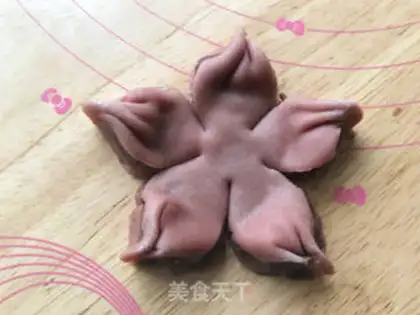
18
Squeeze both sides with a thumb and an index finger. You have to squeeze them together a few more times and fix the shape, because it's easy to cook。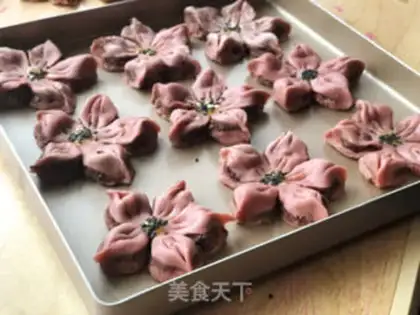
19
Cut out the flowers with sharp blades, put a stick on the egg fluid in the middle, and spread a little black sesame。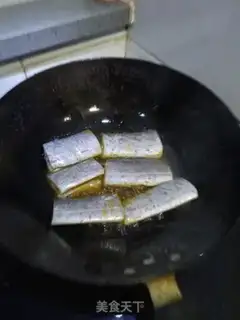
20
The oven is preheated at 180 degrees and the peach blossoms are placed in the middle of the preheated oven。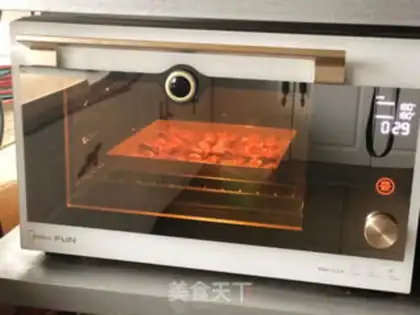
21
180 degrees for 30 minutes。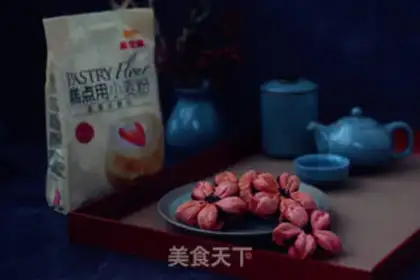
22
We'll just put it on the dryer。Peaches Make Tips
1 The oil coats must be filmed, so the choice of flour is also crucial. It's not easy to break the cracks when the skins come out of the re-production, or it's too bad to cry. 2. This is a time-consuming production process, and almost every step requires “lax” “silent”. You can't eat hot tofu, you have to be patient. 3. This is a production process that cannot be done without the protective film。