Banana toast
By VicentaLakin
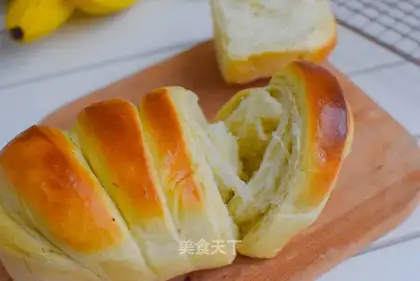
Recently, toast bread has been made almost every day, and, to be honest, only many times before it is shared, because if it's just a chance to make a really bad toast. Ignoring the noodle state, and not knowing how to control the details of the production process, could lead to misleading newer friends. Looks like a simple toast is really a lot of learning, and it's definitely not something that can be done with a single face. The choice of flour alone is not good for the low protein content, not for the poor protein quality, not for the highs, not for the roses, not for the same formula that makes a full toast box. The finished toast is then particularly susceptible to ageing, with a hard day, problems. You're more likely to succeed in the choice of the opposite flour than the wrong flour. I recently made it out of wheat flour with a 100% import of wheat, with a protein content of up to 13.7 grams per 100 grams of flour, making ordinary bread is easy to succeed, making toast bread is easy to rub out the mural (smash to full expansion), and finished products eat natural wheat aroma, strong mouth and perfect. In addition to the choice of flour, there are details to be taken into account in the flour rubbing process. Today's toast is cuter than the usual large squares, because bananas are added to the formula, and the finished product smells like bananas, and its soft taste is very good。
Recipe Recommendations
- sweet fragrance
- roast
- several hours
- ordinary
Steps for Banana toast
1
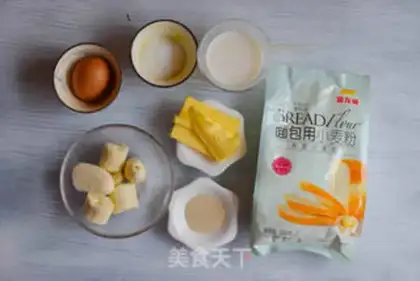
Prepare materials。
2
Bananas weigh when they go to skin, and a banana is almost 100 grams, so it's covered in mud。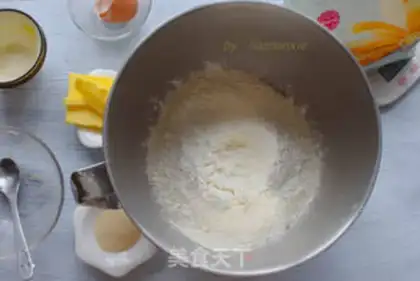
3
Add other materials, other than butter, to the bread drums. If room temperature is above 25 degrees, it is recommended that all materials be pre-positioned in the refrigerator to freeze cooling, and that, with cooled materials and surfaces, the noodle temperature be more easily controlled below 27 degrees, and that the yeast do not function during the face phase, which is more conducive to bringing the noodle and to full expansion。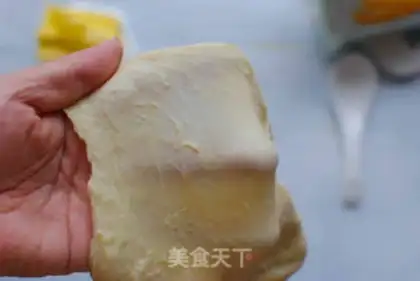
4
Start the bakery machine, put the noodles and packs at low speed. In the case of new flour for the first time in the new formula, it is possible at this point to make a preliminary determination of the dampness of a section below, which is based on experience, if dryed, fine-tuned with water and fine-tuned if wet with pink. It is then used at high speed to keep the dough alive for the first time, for example by pulling out the thicker thinner. Most cooks can do it at high speed in 10 minutes。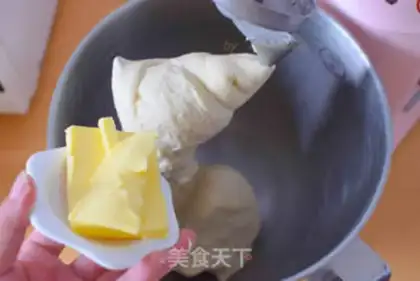
5
Add softened butter to start the cook's machine and rub it in the noodles。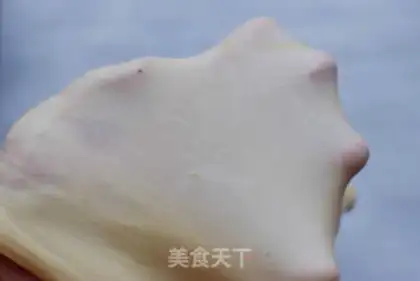
6
Then it turns into a high-speed noodle and complete expansion, that is, a state where the gloves can easily be pulled out。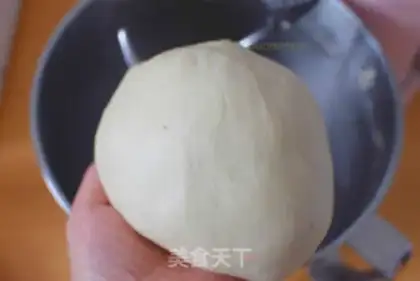
7
Take out the harvest, ferment it in a fermenter box or in a wash drum, be careful to be wet, cover it with a film or wet sheet, be careful with the temperature of fermentation, which is about 28 degrees. This fermentation takes about an hour。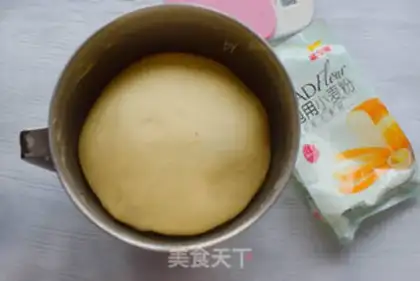
8
It's a good pasta, it's big, and it's perfect to stick a hole in it with your hand。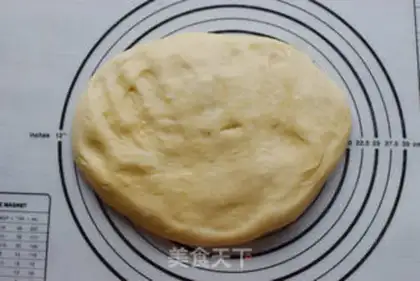
9
Take the noodles out of the flat air, double。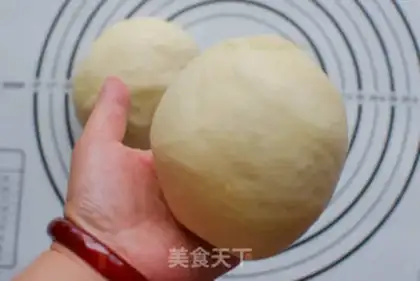
10
Ten minutes to roll。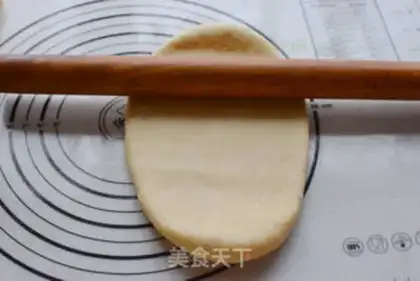
11
Put the noodle on and grow the tongue。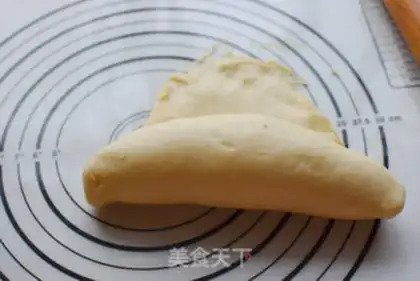
12
Turn it over and roll it up on the head, watch out for rolls and make olive bread。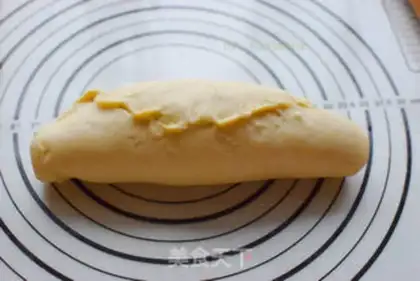
13
When you're done, you have to squeeze it。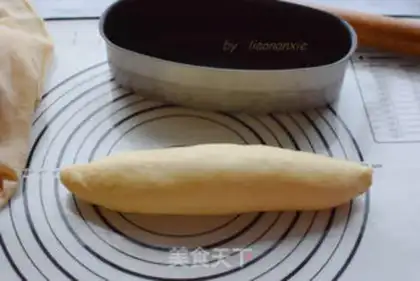
14
Long olive-shaped bread, the size of the cheese box。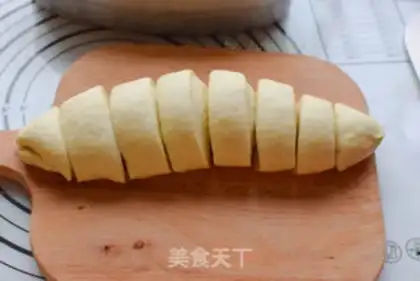
15
Cut the bread into pieces, but not in pieces。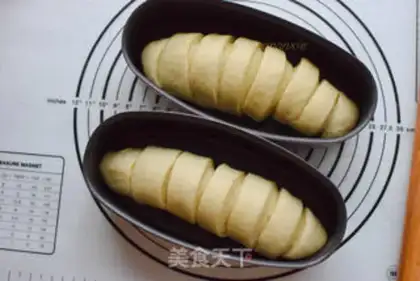
16
Put the cut bread in the cheese box and ferment it in warm places。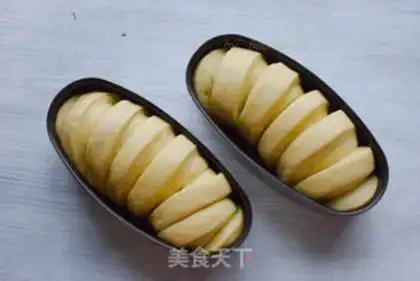
17
It'll take about 40 minutes to ferment, and when the bread's not as good as the box, it'll start. The oven needs to be preheated 180 degrees. It's good bread。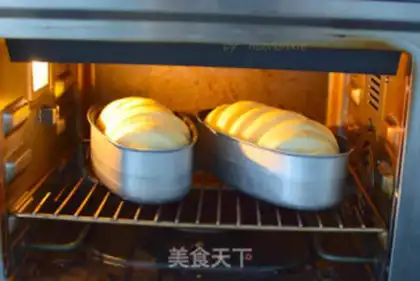
18
Into the oven, for a fixed period of 30 minutes, and eight minutes on tin paper。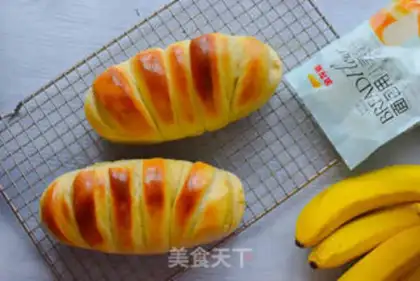
19
When the bread is baked, when the butter is hot, the membranes are cold on the grill. It's good to eat while it's hot and cold, and if it's not finished at all, then it's sealed in a fresh bag. It's good to have bread for breakfast。