Quite a bit of embroidery
By VicentaLakin
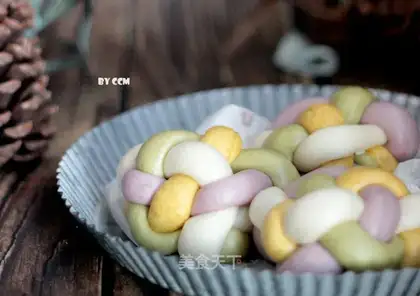
The North has a lot of food. Speaking of buns, if you can make white noodles, you can do it quickly. Ask me why I should do it. It's nice. It's kind of patient about plastic. Like, how to color the noodles? How do you prevent the watering of the noodles when it's made? What about the early fermentation of the noodles? In any case, a good-looking bun, with mom's love for her family, why take so long? What Chan did today is "The Embroidery Crunch" , and the flour in the bouquet is better made from a thicker medium or a high-heavy powder, because it is made by the need to roll up the pasta into a longer thin sheet, so it's more operational, and it's very steamy and swelling. With regard to the production of Chinese dots, I personally prefer to use the Australian cortex, which is the flour that won the World Quality Congress award, 100 per cent of Australia's imported wheat, which is white, and is well placed between high powder and Chinese powder, so it is one of our regular provisions for flour。
Recipe Recommendations
- Arowana Australia wheat core flour 600 grams
- qingshui 300 grams
- yeast powder 6 grams
- corn oil 10ml
- pumpkin powder 1 teaspoon
- purple sweet potato powder 1 teaspoon
- spinach powder 1 teaspoon
Steps for Quite a bit of embroidery
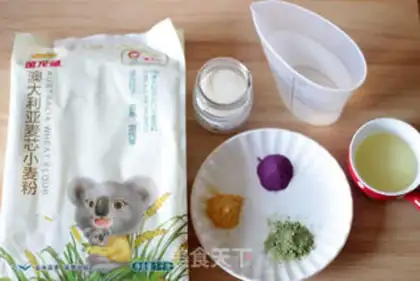
1
Prepare the raw materials in advance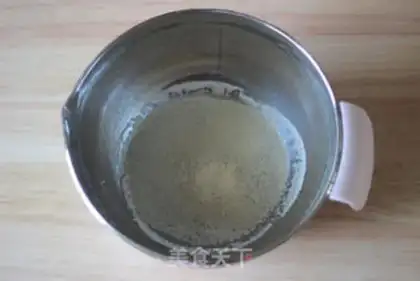
2
The yeast powder is soluble in water
3
Falling into the gold dragonfish, Australia's wheat gravy and corn oil, then rubbing them into smooth noodles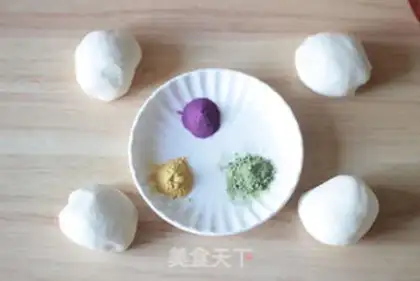
4
On average, four pieces of covered pasta, three of which are covered with vegetable and vegetable flour. even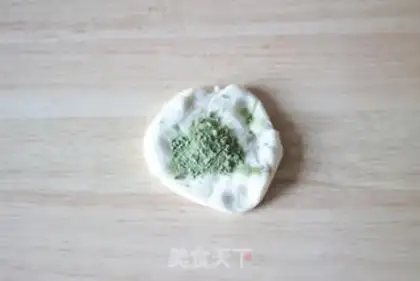
5
Scrambles of spinach powder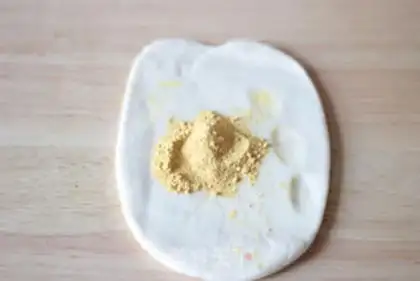
6
Pumpkin in the noodles, the same way, and the same way that one of the noodles was evenly rubbed in the potatoes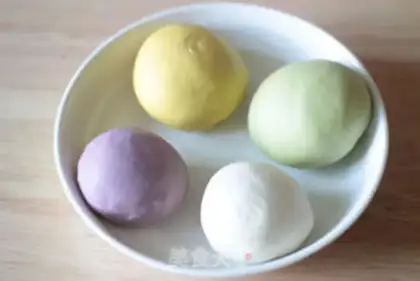
7
It's a rubbing pasta, and the fermentation in the warmth is about 2.5 times larger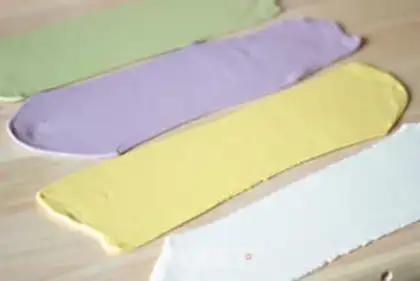
8
The fermented noodles grow into strips again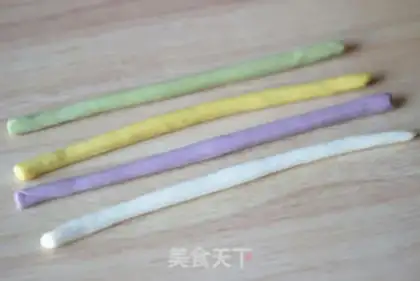
9
And then they roll up, and they need four fine, basically identical noodles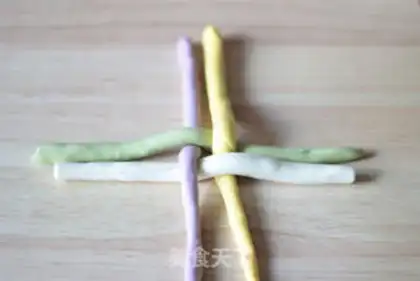
10
It's like a four-faced cross-section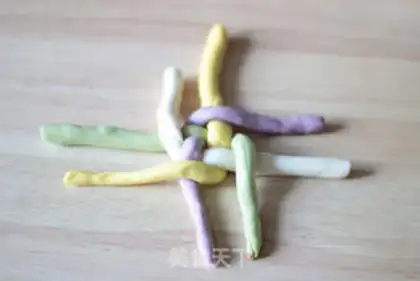
11
It's like a clockwise round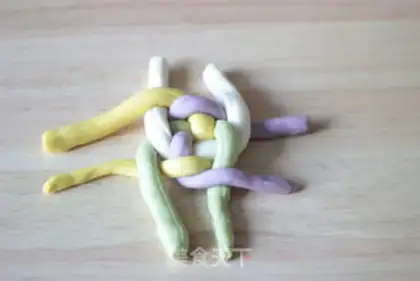
12
If you turn the clockwise again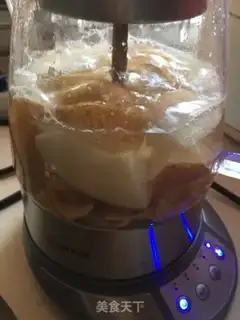
13
The two adjoining faces entangled each other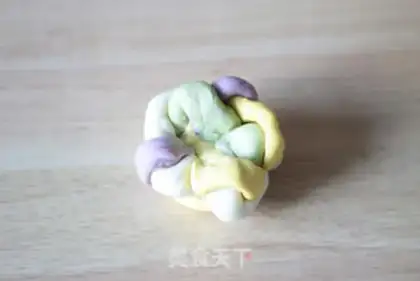
14
Lift up the center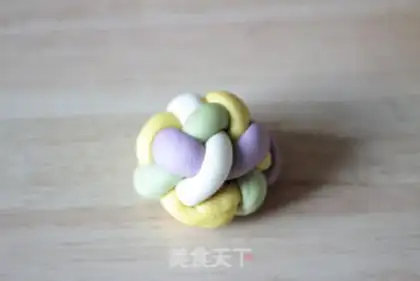
15
The finished buns are in the steam cage for the last 30 minutes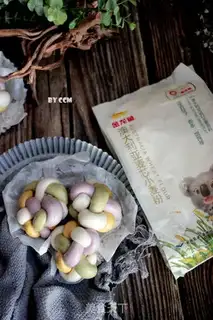
16
Cold water in the pan, fire in the fire, 20 minutes after boiling water (five minutes after the fire has been shut down)。Quite a bit of embroidery Make Tips
It's important to be smooth and smooth, to be smooth, to be smooth, to be face-scattered, to look like you've seen it before steaming, and not bad after steaming. And there's a little trick: add a small amount of edible oil to the flour, which can also make the mosaic color better. Don't take the steamed buns off right away, let them be taken out in the steaming pot for five minutes to prevent sudden cooling, and the steamed buns turn back。