Water cube white toast
By VicentaLakin
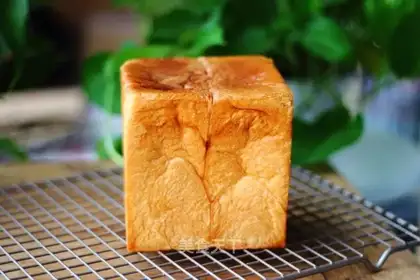
i haven't done toast for a while, and i've been practicing toast to fix my new oven and experiment with new bread. i've done my originals, pumpkins, whole wheat, rye, milk and coconuts, and i've done my work, and i've never had a perfect one, but it doesn't matter. it's just that i eat myself, my family likes it, and i don't have any additives, and it's healthier! i'm sharing with you today a recent white toast that is made using a direct method, which is very soft, and when it's done, eats directly, rubs jam or makes sandwiches. 300g water cube toast 1 bake time: 35 minutes bake temperature: 180 degrees
Recipe Recommendations
- Wheat flour for Arowana bread 190g
- ice water 100g
- egg liquid 20g
- white granulated sugar 20g
- unsalted butter 15g
- yeast 2g
- salt 2g
- sweetening
- baking
- several hours
- ordinary
Steps for Water cube white toast
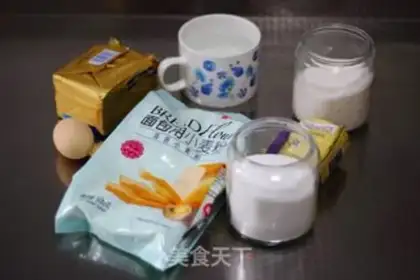
1
(b) The preparation of the required ingredients, with iced water to be stored in the refrigerator for more than 10 hours in advance
2
Ice water, whole egg fluid, fine sugar, klonfish bread with wheat powder, yeasts in the order of the first liquid and then powdered powder are placed in the bread truck drums. The yeast recommendation is final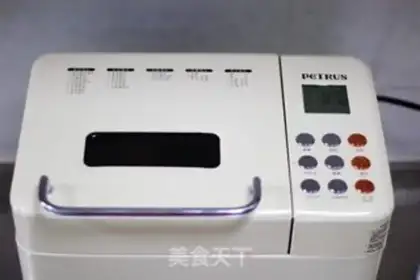
3
Put the bread bucket into the toaster, connect to the toaster's power, select the iMix program from the functional menu, and start with the face rub. (b) Keep an eye on the temperature of the face of the face, which would affect the timing and effects of the film if the surface temperature was too high, at which point it was recommended that the face of the face should be removed from the bakery and stored in the refrigerator for an hour before it continued to work
4
The addition of salt and non-saline butter continues to rub the face while the noodles reach the extension phase. This time, it used wheat flour, which was of good value, easy to get out of the film and high success rates
5
(a) The plaque can form a thin and transparent film, and the glitter of the translucent film can end the lacerations, fermenting around an hour and a half at the temperature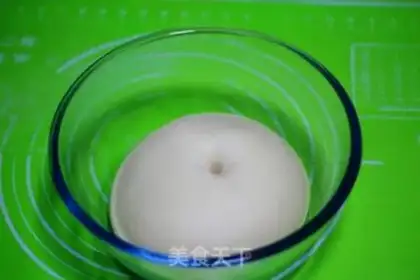
6
A hole is inserted in the middle of the flour with a finger on it, the hole is not condensed and the face is not collapsed, which means the fermentation is complete. The timing of the fermentation of the noodles is timed in accordance with temperature changes and is generally observed in terms of the condition of the dough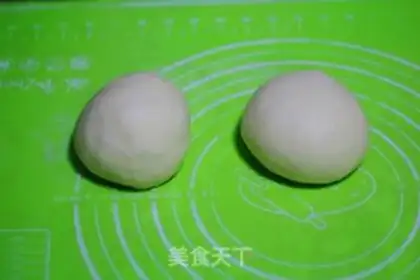
7
(a) Split the face of the noodles into a second-class circle, each covering 15 ~ 20 minutes of laxity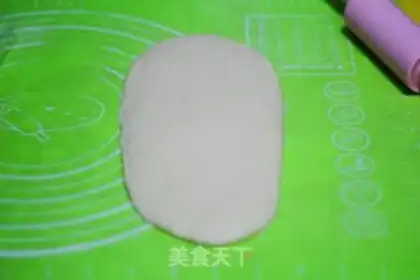
8
When the noodles are loose, take one of them open with a cane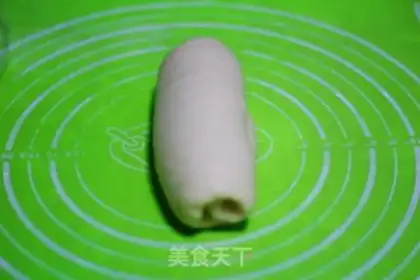
9
(b) The top-to-down rolls of the face, the coverings of the film shall be loosed for 15 minutes, and the other one shall be covered by the above method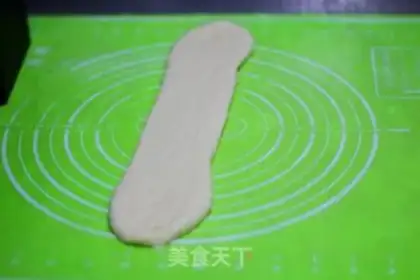
10
once the noodles are loose again, they will continue to open with a cane, approximately 25 cm ~ 30 cm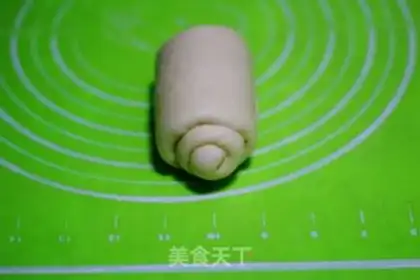
11
(a) Turn over and roll up from the top to the bottom, and press the thin by the finger at the end of the end, or stomp the thin with the crutches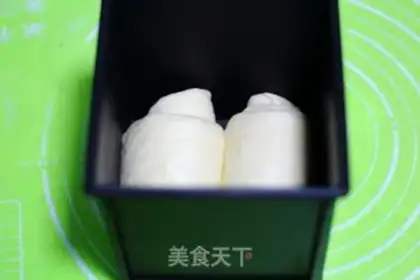
12
When it's rolled, put it in a water cube toast box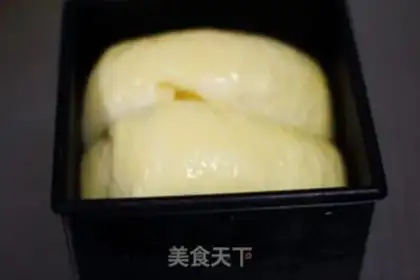
13
(b) Place a fully fledged toast box in the oven, with a bowl of hot water at the bottom of the oven, the temperature of which is not hot, and closes the oven door, fermenting with the temperature of the hot water for about 50 minutes. Waiting for the pasta to ferment until the mold is eight points full, with a little egg fluid on the surface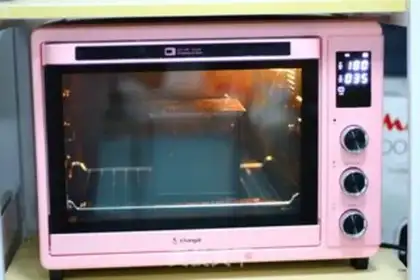
14
Covered with a lid of a toast box, placed in the lower layer of the preheated oven, with a fire up and down, 180 degrees and 35 minutes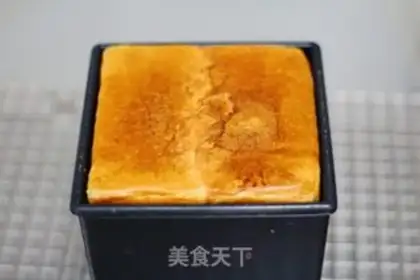
15
(a) Toast from the oven with insulation gloves after the roast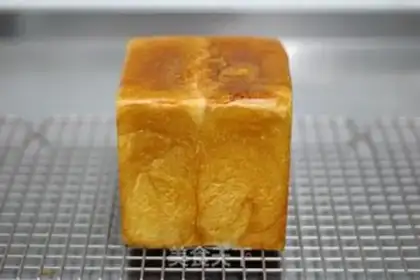
16
The toast is taken out and demoulded on the grill。Water cube white toast Make Tips
At the time of production, since the flour used by each person is different in its water intake, the liquid volume is recommended not to be fully added at one time, with a small amount set aside and then handled as appropriate in the light of the pasta; at the time when the pasta is mixed, the hand is stickier, bearing in mind that it is not easily powdered and does not stick when waiting for the pasta to sprawl; and at the time of fermentation: The general base fermentation temperature is recommended at around 28 degrees, the secondary fermentation temperature is recommended at around 35 degrees, and the specific fermentation time is recommended to be flexible according to the climate or the tools used;4 and the baked bread is recommended to be kept under seal while a little bit of temperature, so that the bread is kept soft, and the bread that cannot be eaten immediately is recommended for cold storage in the fridge, not in the fridge, which absorbs the moisture from the bread and accelerates its aging。