Dou-Dou-Dou-Dou-Dou-Dou-Dou-Dou-Dou-Dou-Dou-Dou-Dou-Dou-Dou-Dou-Dou-Dou-Dou-Dou-Dou-Dou-Dou-Dou-Dou-Dou-Dou-Dou-Dou-Dou-Dou-Dou-Dou-Dou-Dou-Dou-Dou-Dou-Dou-Dou-Dou-Dou-Dou-Dou-Dou-Dou-Dou-Dou-Dou
By VicentaLakin
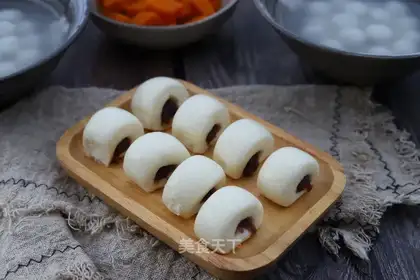
There's a little soybean in the early stalls, about half the size of my finger, but it's quite different from the mini-bucket I made today, but the two dollars sold outside can buy ten or so, and it's so soft, and our own little buns, though soft but not so swollen, are branded soybs, and friends with time can make their own soybean sands, make their own little soybreads, and taste better than they buy。
Recipe Recommendations
- flour 150 grams
- qingshui 75 grams
- yeast 1.5 grams
- corn oil 5 grams
- bean paste appropriate amount
- sweetening
- steamed
- an hour
- simple
Steps for Dou-Dou-Dou-Dou-Dou-Dou-Dou-Dou-Dou-Dou-Dou-Dou-Dou-Dou-Dou-Dou-Dou-Dou-Dou-Dou-Dou-Dou-Dou-Dou-Dou-Dou-Dou-Dou-Dou-Dou-Dou-Dou-Dou-Dou-Dou-Dou-Dou-Dou-Dou-Dou-Dou-Dou-Dou-Dou-Dou-Dou-Dou-Dou-Dou
1
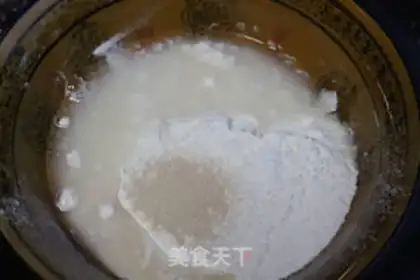
Flour, yeast, fresh water, corn oil are added to the wash basin at once. It's colder in the morning and the evening. At low temperatures, the surface can choose warm water and the surface. The temperature is not high, the temperature is not hot for the hand。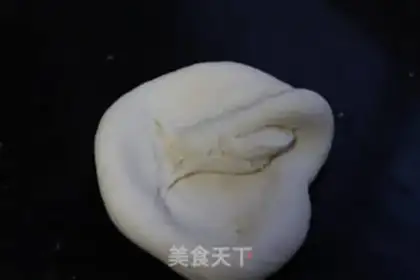
2
The pasta is mixed in hand into a swirling form, which is then poured on a slightly hard surface, and the face is turned into a swirl, which is rough at the beginning。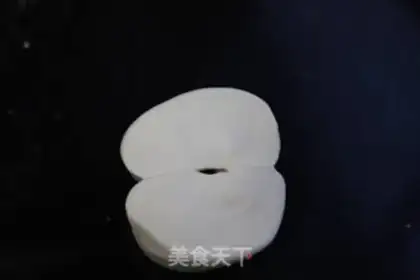
3
Keep rubbing, about five to ten minutes, and the face becomes very thin and smooth, cutting it open with a knife, and the visible face is smooth and thin, and there are no air holes。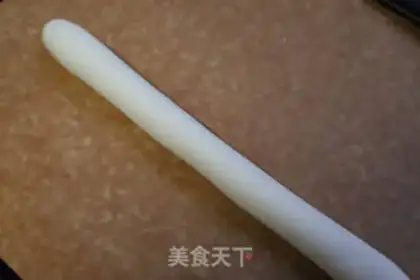
4
When you've got the nice ones, you've got the big ones。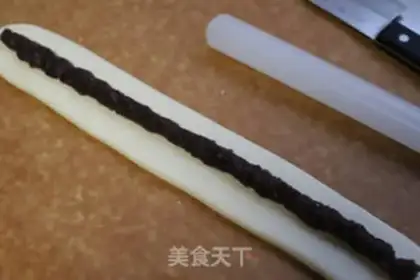
5
Stop when you have the right thinness, flatten the noodles with a cane, not too thin, so that it can be wrapped in a soybean soybean, and turn it over and squeeze it into a row of soybean soybean。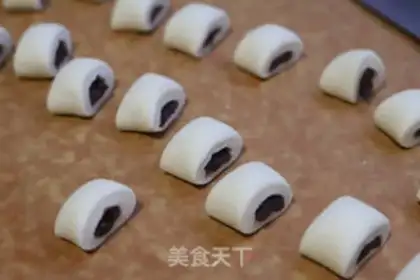
6
Squeeze on both ends of the dough, rolling a little bit and then returning to a circle, cutting out a small agent with a knife, and coming out with the baby。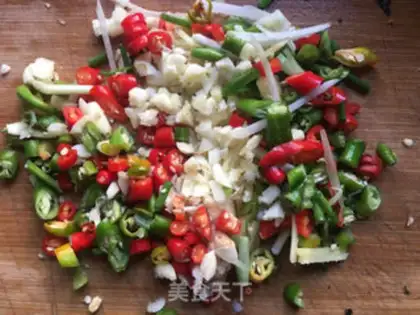
7
Scrambling the little buns on both ends, squeezing them round, so that the steam can wake up, in a warm and wet environment, for about 30 minutes。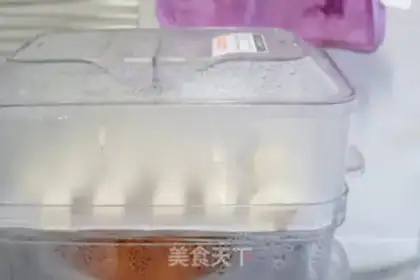
8
When the bun is up to 1.5 times its original size, it can be evaporated in the pot, six minutes after the water starts to steam, and it can't turn back。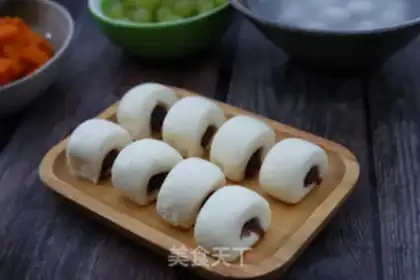
9
We make the buns that are miniscule, so the steaming time is shorter, so it can also be made into big buns, with a relative increase in the steaming time, which typically takes about 10 minutes for a 30-gram-sized raw embryo。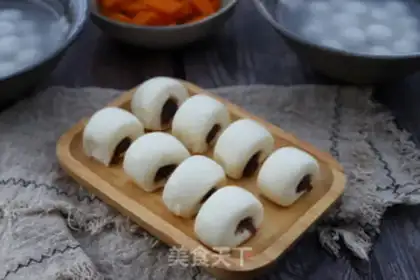
10
Done
11
Done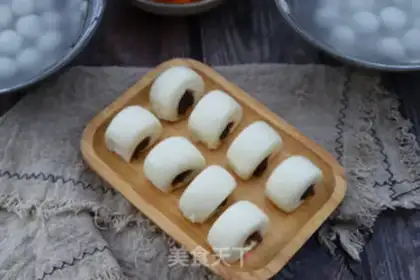
12
DoneDou-Dou-Dou-Dou-Dou-Dou-Dou-Dou-Dou-Dou-Dou-Dou-Dou-Dou-Dou-Dou-Dou-Dou-Dou-Dou-Dou-Dou-Dou-Dou-Dou-Dou-Dou-Dou-Dou-Dou-Dou-Dou-Dou-Dou-Dou-Dou-Dou-Dou-Dou-Dou-Dou-Dou-Dou-Dou-Dou-Dou-Dou-Dou-Dou Make Tips
Flour with the usual barbed flour, which is our common flour, is suitable for the various types of buns; many friends say that the fermentation is not going to work, that it is not going to work, that the fermentation is not going to work, that it is not working, that it is not working, that it is not working, that it is not working, that it is first to see if the yeast opens for a long time, that some friends open a pack of new yeasts, that they don't seal them, that is, that it is for more than a month, that the yeast is not working, and that is, that is, whether the water is hot, or whether the water is hot, and that is whether your yeast is either hairy or not, that is, that is, the ferment mothers can use it directly, rather than the fermentation is better to use them with warm water, and that is the best thing to look at them。