Coco dirty rags
By VicentaLakin
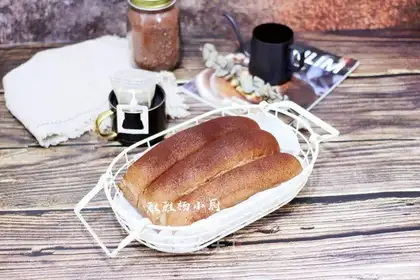
Coco dirty rags。
Recipe Recommendations
- high-gluten flour 300 grams
- low-gluten flour 80 grams
- cocoa powder 10 grams
- eggs
- breast training 55 grams
- water
- yeast powder 4 grams
- salt 3 grams
- butter 20 grams
Steps for Coco dirty rags
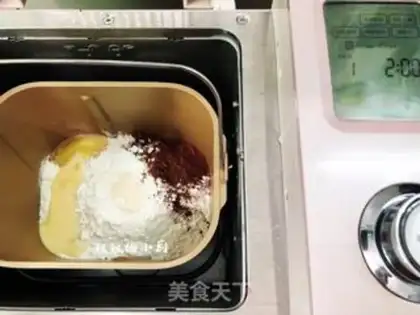
1
All material is pre-described and then all material, with the exception of butter, is placed in a bakery starter and face function and face function for 10 minutes。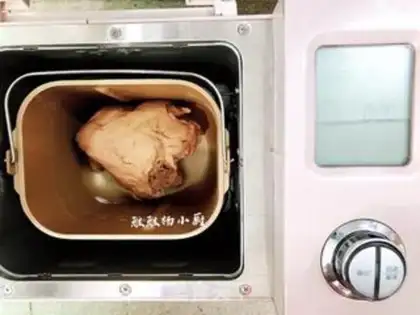
2
An initial expansion can be achieved by rubbing a procedure。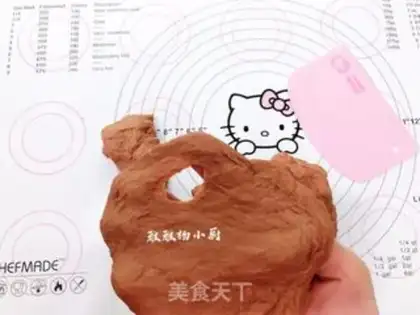
3
Initial expansion with thick membranes to open the noodles with visible sawn teeth。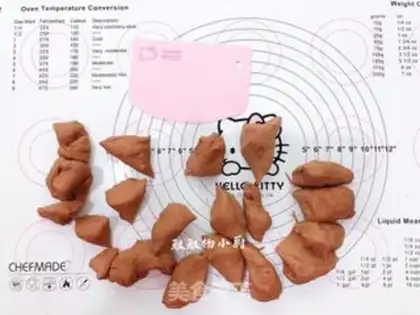
4
They then cut the face of the face into small pieces with a razor, so that the face of the face can be removed more quickly。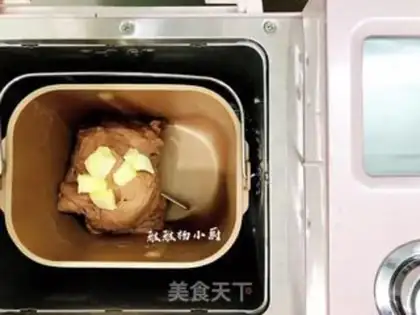
5
It's time to add butter, then to start the noodle function and keep rubbing。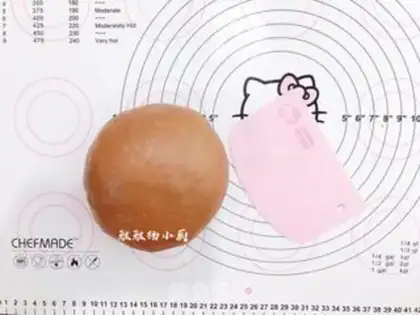
6
Zip the face around with a shampoo covering for three minutes。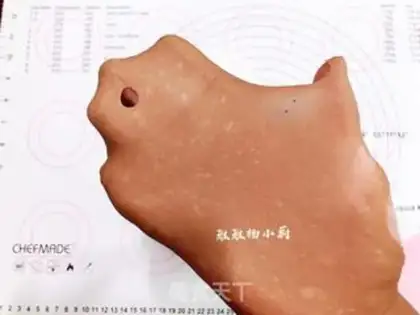
7
Then check the state of the lower band and pull out a thin and resilient membrane。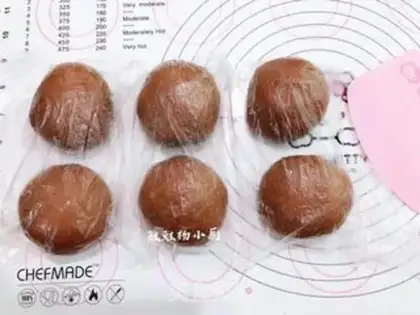
8
It was then divided into six equals, with 20 minutes of laxity in the lid。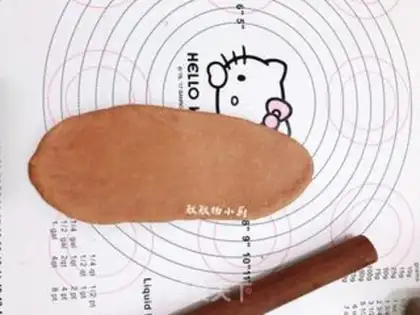
9
Take a piece of pasta, turn it into an elliptical form, and turn it over with a scratchboard。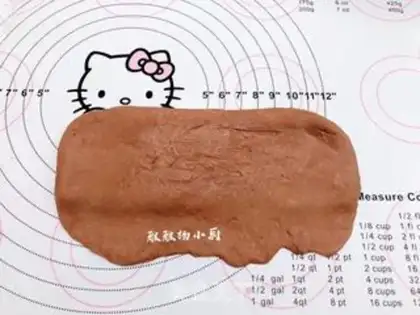
10
Roll from top to bottom。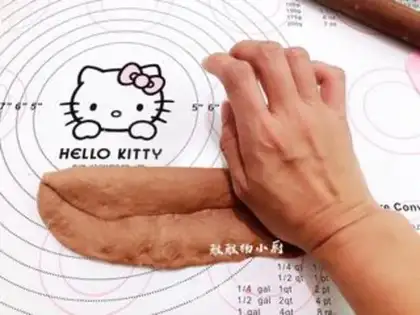
11
A thin head from top to bottom, squeezing the mouth, stifling the strip。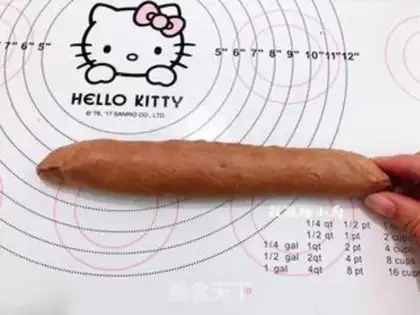
12
Fix the bread in turn。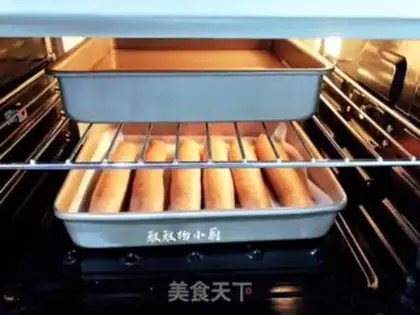
13
Put it on the grill and put a bowl of warm water and bread in the oven and ferment twice as big。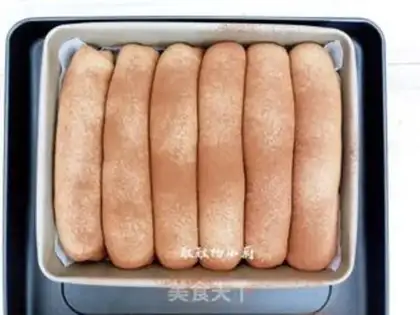
14
This is when the fermented face is taken out, the fermented face is taken out and a thin layer of cocoa powder is sifted. The oven preheats 190 degrees and 10 minutes。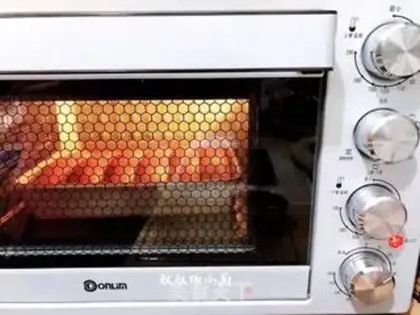
15
The fermented face embryos are sent to preheated ovens, 170 degrees of fire, 180 degrees of fire, and 15 minutes of roasting (with the temperature varying from one oven to the other, depending on the temper of the oven) and are immediately removed from the oven and released on the tanning web and kept under seal at remaining temperatures。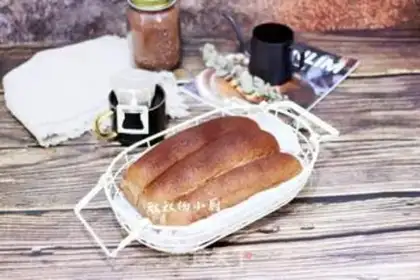
16
The finished chart。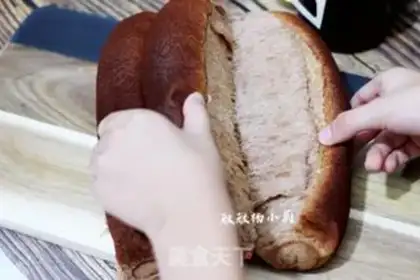
17
The finished chart。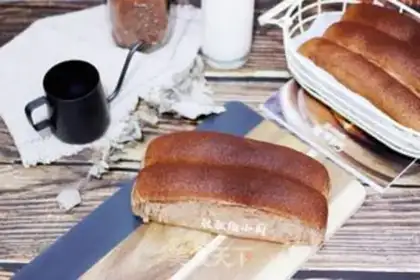
18
The finished chart。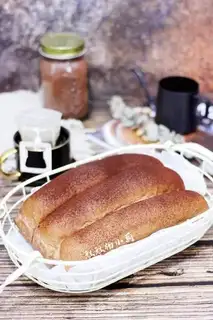
19
The finished chart。Coco dirty rags Make Tips
1 Flour is filled with different amounts of water, and different amounts of water are used in different environments. It is proposed that 10-15 grams of water (liquids) within the square be set aside and adjusted appropriately (this temperature is for reference purposes only, depending on the temperature of the home oven)。