Shrimp noodle
By VicentaLakin
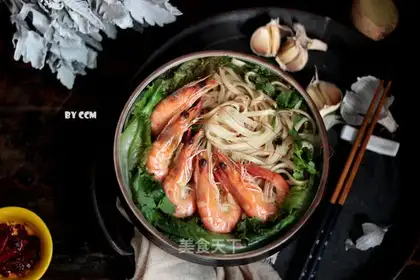
We went to the market in the morning and found today's prawn was good. What's for lunch? If you want to go, it's best to have noodles with fresh prawns in the morning. It's nice to be a girl. I'm still used to the fermentation of the fermented emptiness of the gold dragonfish, not only in a strong way but also digestive, absorbible and digestive. The fermented face is rich in lysine, which enhances immunisation and nutrition。
Recipe Recommendations
- Arowana + active method hollow noodles 60 grams
- base shrimp 5 rats
- coriander appropriate amount
- lettuce 5 pieces
- ginger 1 block
- cooking wine 1 teaspoon
- soy sauce 1 teaspoon
- mature vinegar 1 teaspoon
- salt 0.5 small spoon
Steps for Shrimp noodle
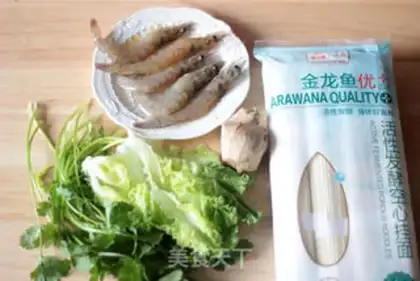
1
Prepare the required food in advance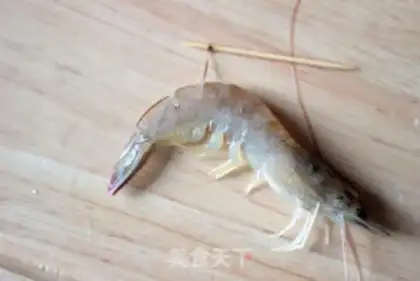
2
The gillfish picks out the shrimp wire with toothpicks in the tail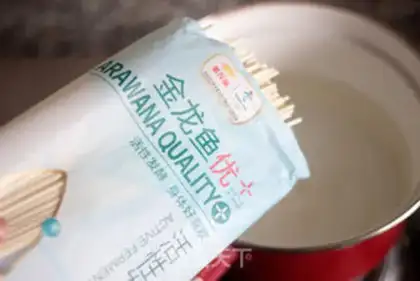
3
A pot of water that boils down to the fermented fermentation surface of the goldfish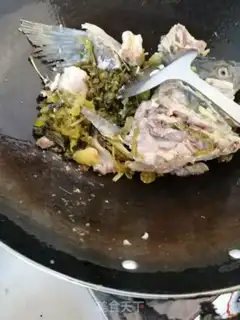
4
When the water boils, it'll be cold water. It'll be boiling three times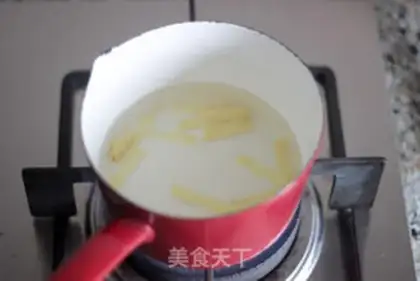
5
Another canteen with fresh water, wine with ginger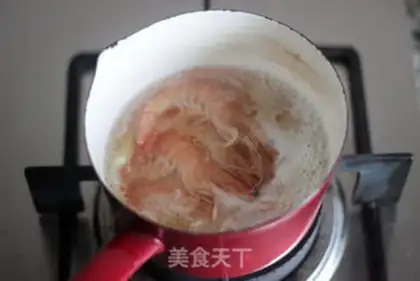
6
Join the geyser shrimp for about two minutes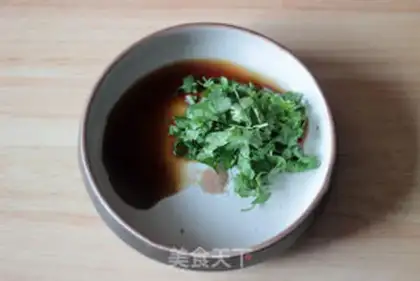
7
Add cilantro, salt, raw and vinegar to the big bowl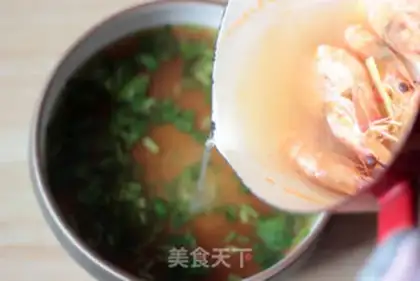
8
Join the cuisine-crawl soup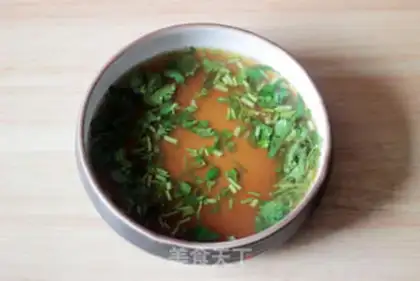
9
It's a clean soup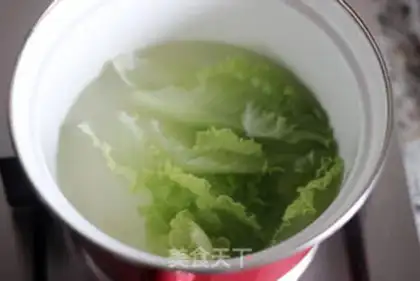
10
Scrambles in boiling water for 15 seconds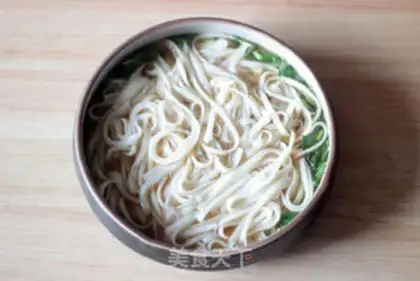
11
Add noodles to the soup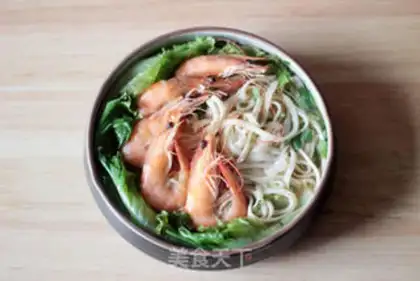
12
I'll just join the lettuce and the shrimp
13
The good noodles will be ready。Shrimp noodle Make Tips
One: I personally like the taste of cuisine, which can be replaced with onions, or not. 2: The noodles I use are very resistant to cooking, so they take longer to cook, and if they are replaced with other noodles, they need to be adapted to the actual situation。