Tastes
By VicentaLakin

The weather is cold, the toast is out of air conditioning or ice bags, the temperature of the room is cold, the surface of the face is so much better. A new brand of toast has recently been discovered, and for bakers, flour, ovens, molds, which are essential to bake, like women who see beautiful clothes and men who see new digital products, tend to pile up their houses, rather than try them once. The flour is made of flour with a protein content of more than 13 per cent, a proper mix of pasta, a fermentation, a correct shape, and a difficult taste for toast. But toast is also the most difficult, sometimes in a beautiful shape, but after cutting off the tissue, it's not as delicate as it looks. It is affected by a number of factors that, if they are not properly studied and are produced in large quantities every day, they are only occasionally done at home, which require constant stock-taking and searching. I've got a nice toast today, a pretty glove membrane, a good taste and taste. The internal organization is slightly rough and lacks silk-colored glitter. Let me sum up against the old silk-skinned toast process, mainly due to excessive plasticization. Both rolls were too thin, which led to too long laxity after the first roll and a slow pace at the second fermentation. And at the second fermentation I set the temperature at 38 degrees, which makes the external temperature high, but not enough power rises internally。
Recipe Recommendations
- Jinshan Japanese Toast Powder
- sugar-tolerant dry yeast 6 grams
- salt 6 grams
- fine sugar 50 grams
- milk powder 30 grams
- ice water 330 grams
- butter 50 grams
- egg liquid a little
Steps for Tastes
1
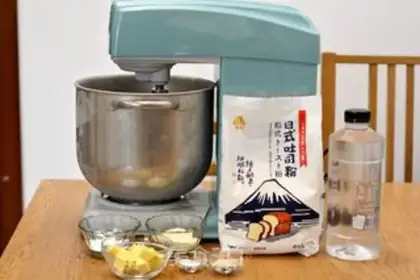
All materials and cook machines are ready; ice water is used to put ice bubbles in the water and then pour them into flour; I fill a bottle of water with four degrees of cooling in the refrigerator, which is easy to pick up; the noodles are mixed with heat resulting in a quick fermentation of yeasts, which can be used when some materials are frozen, thus reducing the temperature of the face and slowing the fermentation of the yeasts; and they are used after an hour in the freezer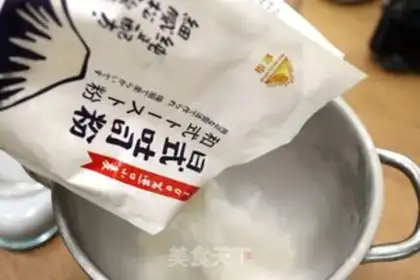
2
Flour, dry yeast, sugar, powdered milk, iced water, butter and salt to be placed in a scab
3
(a) A low-speed mixing of these materials with a cook ' s machine, capable of pulling out a thick film and adding butter and salt, and of mixing the butter and salt completely into the noodles at a low rate before turning to the high-speed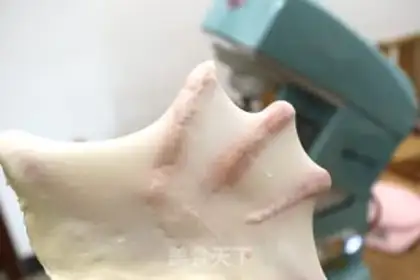
4
A soft, fertilized, non-claved, non-claved, pieced together, able to develop a transparent and flexible thin film; a finger piercing, smooth and serrated edge of the mouth, ending the face rub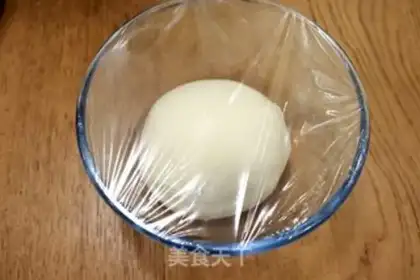
5
Flour rounding is placed in a basin, covered with a fresh film, in an fermentor or warm and wet environment, such as ovens warming to 25-30 degrees and a bowl of hot water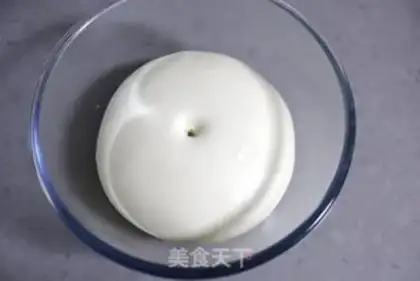
6
The pasta is 2-2.5 times the original hour, and the finger-tip flour is poking a hole in the top of the flour, and it does not collapse or shrink, and it fermentes successfully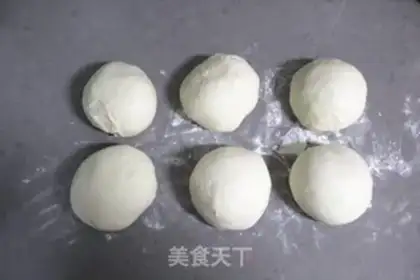
7
The noodles are removed from the case, slashed and divided into six equals, rounded and covered for 10-15 minutes; it is easy to check whether the film is loose, and the finger is pressed on the face, softer than the bullet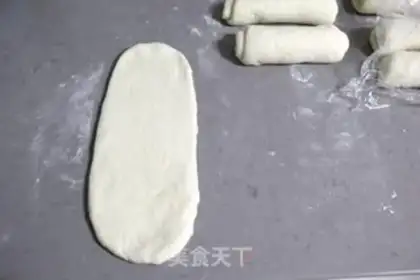
8
(a) Take a loose, smooth face down and squirt into a cow tongue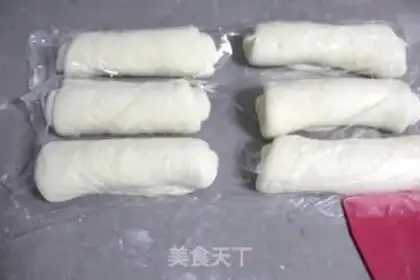
9
Volumes from top to bottom, seals down, and several others are dealt with in a sequential manner, covering membrane laxity of 10-15 minutes; a loose approach to testing is the same as step 7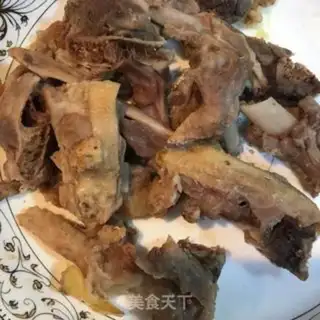
10
Take a loose roll, a thin strip that grows about 40 centimetres (which is actually enough for a roll to 25 centimetres); roll it up and down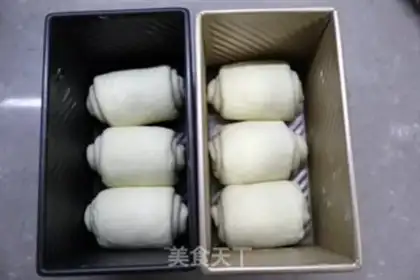
11
The rolls are in 450 grams of toast, and the rolls are all in one direction, so it's beautiful outside the toast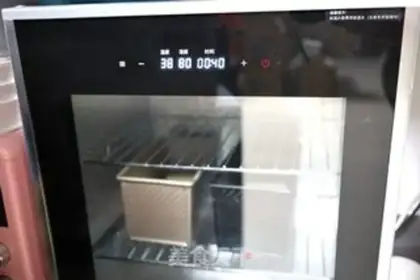
12
Placing toasters in fermentation at temperatures not above 38 degrees and humidity 70-80 for approximately 1.5-2 hours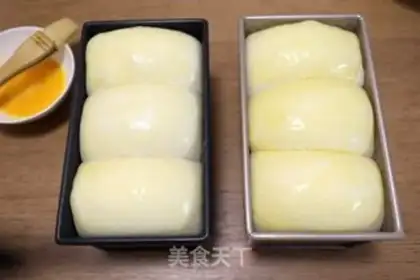
13
Preheating the oven, then extracting from the fermenter the fermentant, with the surface brushing the egg fluid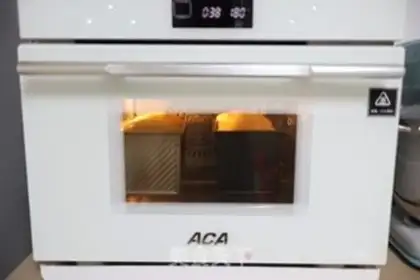
14
Delivery of raw toast boxes into the lower of the preheated oven; my oven is a hidden subheating tube, which is 180 degrees above, 230 degrees below, and actually takes 35 minutes; a tin paper can be added to the surface when colour is satisfactory to prevent the top from burning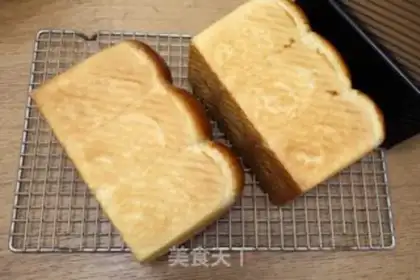
15
The roasted toast shakes a few times, disembowels, and the hanger hangs in a bag when it warms。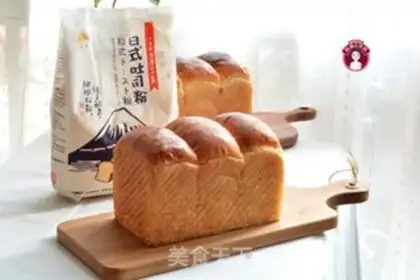
16
Tastes, soft and flexibleTastes Make Tips
I use 100 per cent gold-mounted Japanese toast powder, 100 per cent of good-quality wheat imports, up to 13.7 per cent of protein content, high water intake, easy membrane, and the finished product is flexible, fine white, ready-to-be, fresh-on-the-door baking white and baking hands; 2. The temperature of the oven is cold, the temperature of the interior is unfavourable to the face of the flour, the temperature of the room is too low for fermentation, but man-made conditions can be created; for example, the polished drums and polished material can be frozen several hours in advance in order to heat up the noodles in the process; fermentation can be used to make warm and wet environments by fertilating boxes, ovens or steam pans; 3. The temperature of the roasting and time view the ovens are in effect, and the material of the spitting moulds。