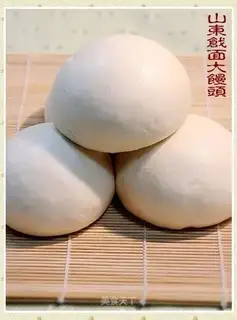
Among the pasta foods in the north, Shandong's "Qiangmian steamed buns" are very distinctive and famous. This kind of steamed buns are beautiful after being steamed out of the cage. They are big, white in color, and shiny in skin. They are chewy after being eaten and very sweet. Steamed buns are also more storage-resistant than ordinary steamed buns and are less likely to deteriorate if left for a long time because they have less moisture.
In the past, Shandong's "steamed buns" were traditionally made with flour fertilizer. The flour fertilizer was used as an initiator to mix the dough and then ferment. It also needed to add appropriate alkali water, and then add a certain proportion of dry flour to carry out repeated kneading. It is time-consuming and labor-intensive, and has a slightly higher technical content. If you were not from Shandong, you would have to work hard, otherwise you wouldn't be able to make a beautiful big steamed bun!
Nowadays, few families prepare flour fat anymore, especially office workers in cities, most of whom go to buy ready-made steamed buns. However, for the steamed buns sold on the market, merchants rarely make steamed buns with dough in order to make money. On the one hand, it takes time and on the other hand, it will increase the cost. Therefore, if you want to eat them, you have to make them yourself.
Today, Da Chao Shao teaches friends who are beginning to make pasta food. It is a Shandong steamed bun that does not need to be spread. You only need to knead the dough and make it directly. After a while, you can steam it in the cage. It is definitely fragrant and sweet, so delicious, haha! The practices are as follows;
Shandong Qiangmianda steamed buns
By DangeloBrown
Recipe Recommendations
- baking powder 5 grams
- white sugar 20 grams
Steps for Shandong Qiangmianda steamed buns
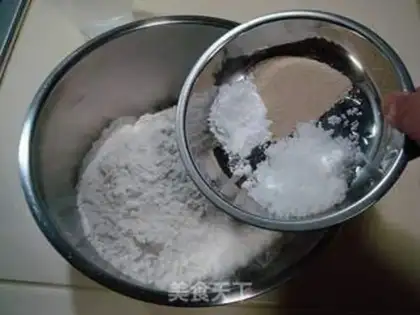
1
Add dry yeast, baking powder and white sugar to the flour.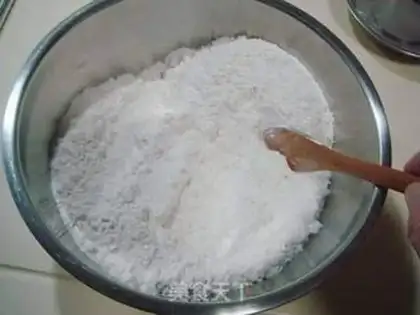
2
Then stir well.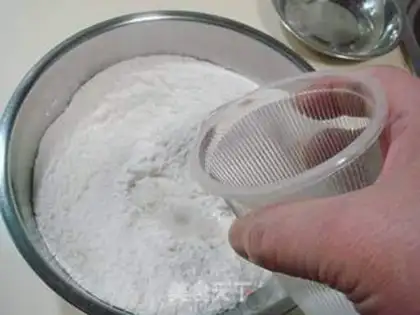
3
Finally use warm water to mix the dough.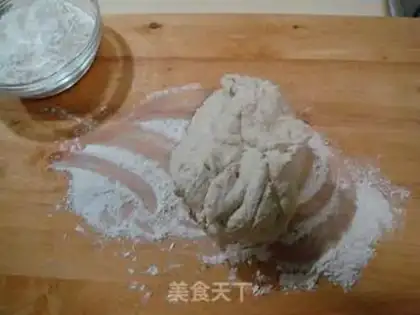
4
Mix with warm water to form a soft dough and spread it on the chopping board.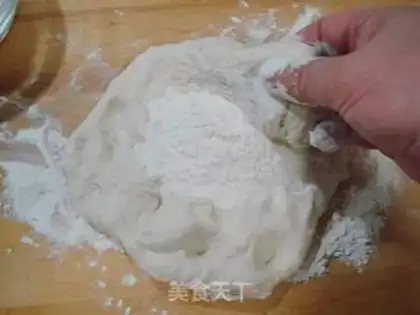
5
Press the soft dough flat with your hands and place it on top, add dry flour, fold it and knead it repeatedly with your hands.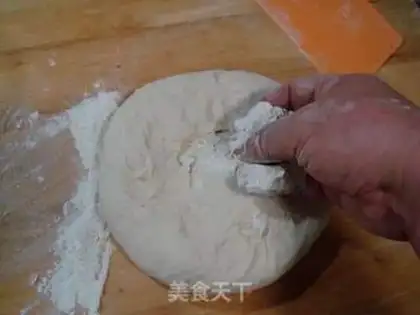
6
After kneading evenly, add dry flour again and knead evenly. Repeat this method to add 30%-40% dry flour into the dough many times, and then knead it again every time.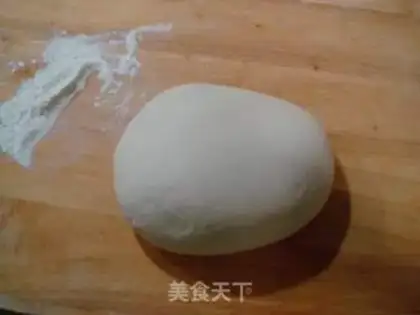
7
Bend the dough into the dry powder and knead until it is smooth.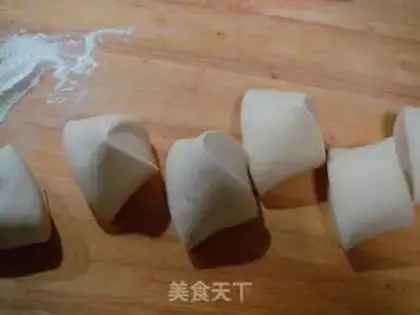
8
Then cut into six dough pieces.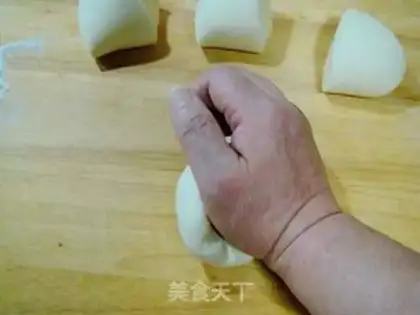
9
Rub the dough one by one.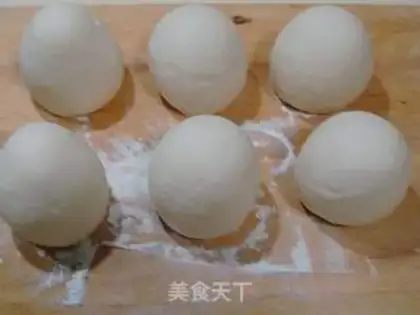
10
Knead the dough into a semicircular ball slightly higher and then simmer.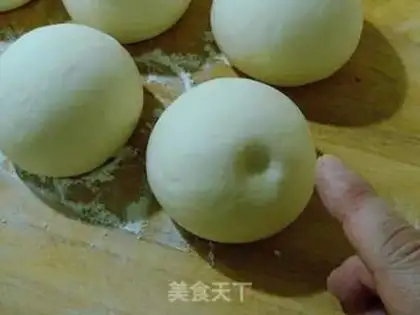
11
Stir the dough until a small pit appears when gently pressing with your fingers and it will rebound quickly. The brewing time takes about 20 minutes.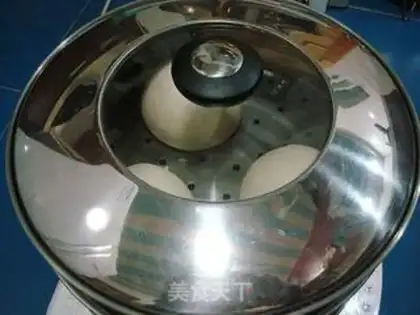
12
First bring the steamer water to a boil, then place the dough into the steamer, leaving an expansion gap between the dough, and finally cover the lid and steam over high heat for 20 minutes.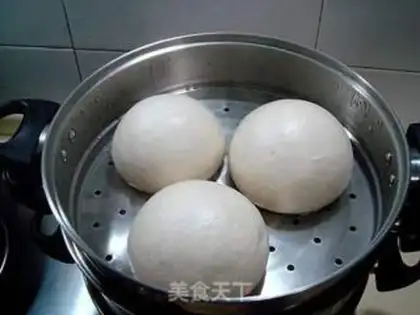
13
The fragrant big steamed buns are ready.Shandong Qiangmianda steamed buns Make Tips
Characteristics of steamed buns on the side: the steamed buns are bright and white, chewy at the entrance, sweet and big, and have a strong aroma of wheat. Warm tips: 1. Use 500 grams of flour and dough, and add 15-20 grams of white sugar to remove the taste of yeast and baking powder, and will also highlight the aroma of wheat, but don't put too much sugar to avoid eating. Sweet taste is better. Sugar is also the best partner for yeast, promoting its rapid growth and fermentation. 2. Use water to knead the dough and make it soft, then use dry powder to bend the steamed buns until it becomes stiff. Bend the dough until it becomes hard, add about 30% to 40% of the dry powder, knead it evenly and then add in the second dry powder. If you like to eat soft steamed buns, you can add 30% dry powder to it. 3. The dough can expand slightly when steaming, and use strong heat when steaming. Da Chao Shao's "Shandong Qiang Mian Big Steamed Bun" made in a simple and quick way is ready for reference by friends who like to eat pasta!