Polish horn steak packs
By VicentaLakin
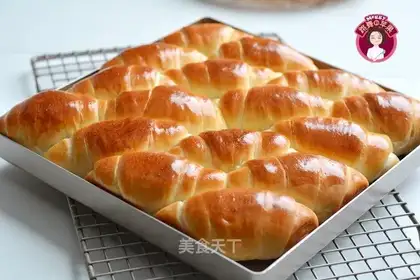
In China, there is a phrase called "prevent the rain." At the moment, the epidemic has taken a toll, and many people have not been able to get enough food and supplies. I usually like to make bread and all kinds of pasta, hoarding when I go to business. I can't believe I've been so worried about my food, this time. I've been living in isolation for a month, but I've got a lot of food. This is not a display of hatred. I mean, don ' t show up in the air, play around and practice, but wait until no one cooks or delivers food at home and asks for it. It's all part of the story. The fermentation of the face is the key, and the matching of materials is right, making good bread. Today's bread I'm using in Polish, adding to the taste and taste of pasta. While the use of bread rolls would make the tissue of bread sliced more beautiful, it would not have become dry for three or two days because of ageing. I finally found a way to make the bread soft-laces. 100 of them are worth it
Recipe Recommendations
- high-gluten flour 340 grams
- milk 200 grams
- white sugar 50 grams
- butter 40 grams
- salt 5 grams
- dry yeast 3 grams
- surface brushing egg liquid appropriate amount
- yeast 1 gram
- cold water 100 grams
Steps for Polish horn steak packs
1
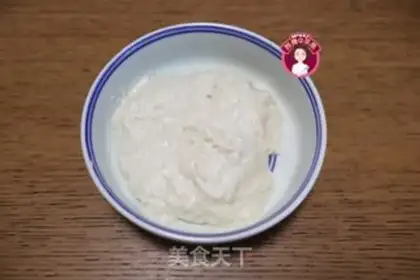
A Polish seed is made earlier: 100 grams of condensed flour, 100 grams of cold water, 1 gram of yeast, which is fermented 30 minutes after a convulsion, which can be done one night earlier, with a freezed fermented in the freezer covered with a shrouded film, and the following day with the use of which the fermentation time was saved; if used on the same day, it can be fermented in a room temperature or fermentation box。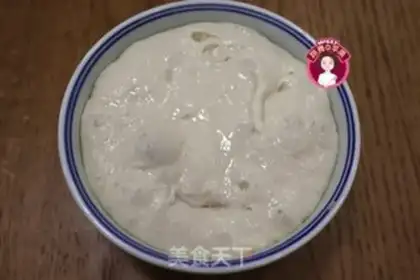
2
The fermentation is in place when there are bubbles of varying sizes on the surface of the noodles; unlike the Chinese, this cannot be judged by size, depending on the bubble state。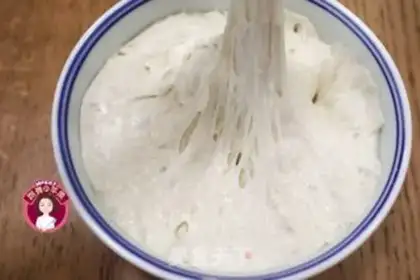
3
With a spoon, you can see that the pasta is very sprained, that the airholes, large and small, and that they smell pleasantly fermented。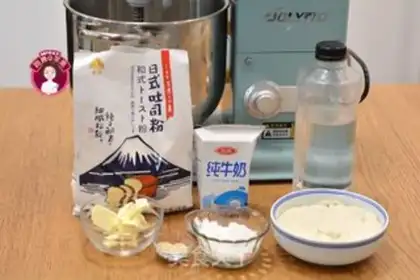
4
All the bread materials are ready: Polish seeds, heavy flour 340 grams, milk 200 grams, sugar 50 grams, salt 5 grams, dry yeast 3 grams and butter 40 grams; some cold water has been prepared because of the different intake of flour, but it was not actually used。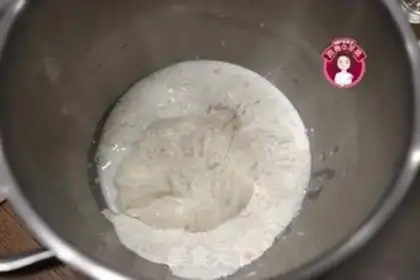
5
All materials, except butter, of Polish origin were placed in the rubbed drums。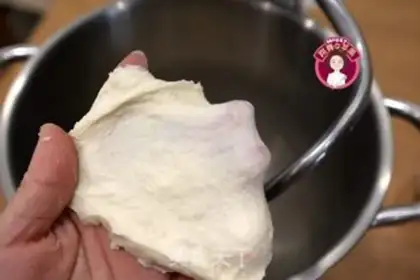
6
I used the first stage of the chef's machine to mix all the material into a mass that could pull out this thick film for about six minutes。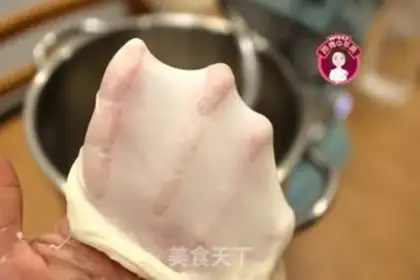
7
The butter is poured on the dough, the butter is rolled into the dough at a low rate of one, then, at a medium rate of three, it is rubbed softly, nuancedly, and the face is not sticky; a piece of the dough is pulled to hold a flexible, transparent film on hand。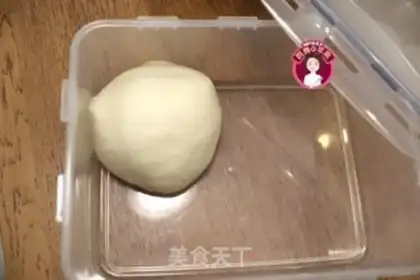
8
The noodles are rounded and placed in a fermentation box; this is a large-sized coating box, which can also be used in other deep-basins and other containers。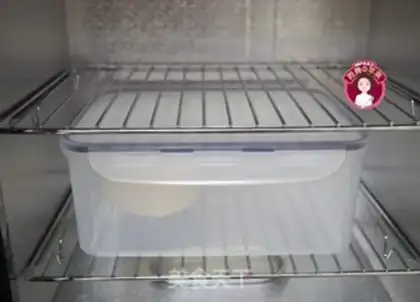
9
The noodles were placed in warm and wet areas for basic fermentation; the fermenters I used (40 Qasts) were temperature 28, humidity 65 for about two hours to adjust their condition。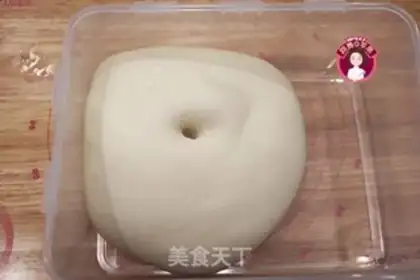
10
When the pasta was twice as big, the finger-tiped flour poked a hole in the top of the flour, did not collapse, did not shrink, and the fermentation worked。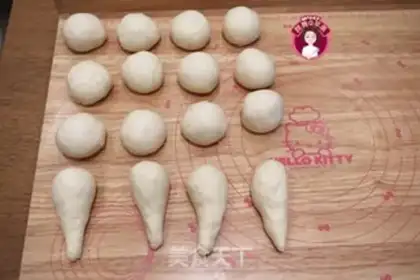
11
The dough fell on the board, without the need for flour, with a light blow to the exhaust, with 16 equals, with 10 minutes of rounding, and then a drop of water in the order in which it was emptied, with a cleavage of about 15 minutes; the finger presses the laminated face, without returning。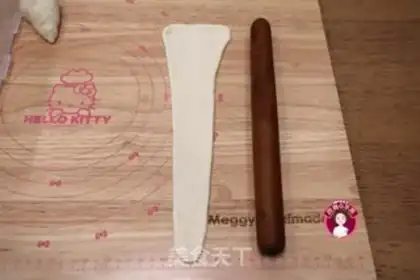
12
Take a water drop face, smooth face up, plume about 30 centimetres of down triangles, flipping back and replanting around 30 centimetres。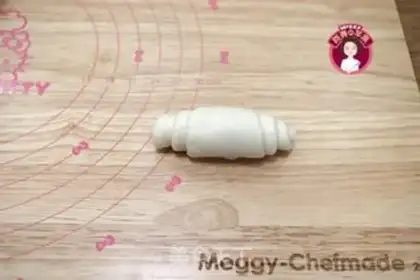
13
Scrolls from the wide edge to the tip, with the tail under。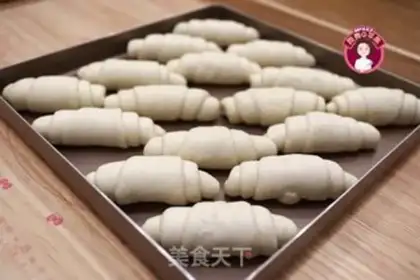
14
the 16 rolls are rolled in turn, each one of them is placed in the 28 *28 cm non-glazing dish, and the bread rolls are set in the same direction (do you see that i have three rolls in the wrong direction。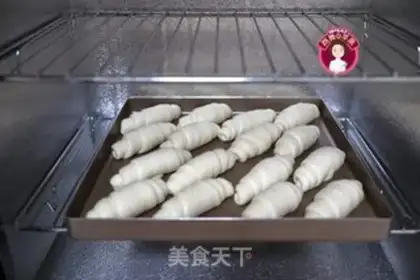
15
I put it in a fermentation box at 32 degrees of temperature and 70 degrees of humidity for approximately 30 minutes, or in an oven, with a bowl of hot water for fermentation。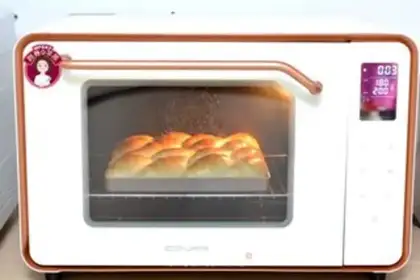
16
When the preheating of the oven of 200 degrees is completed, it will be delivered to the lower part of the oven, 180 degrees of fire, 200 degrees of fire and 20 minutes of fire, adjusted to the actual condition of the oven。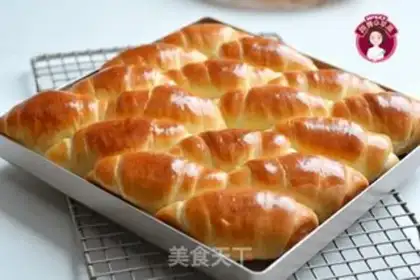
17
Once out of the oven, they are demoulded and can be stored in a bag, fed directly or used as burgers。Polish horn steak packs Make Tips
The use of Polish species is 25 per cent of the total amount of the dough, with a small amount of floating up and down, and the amount of flour and water is 1:1, and the amount of yeast and water is 0.5-1 per cent of the Polish crop; the fermentation does not look at the size of the face, but rather at the size and size of the bubble in the face; if there is too much sour oscillation, it indicates that it is too high, does not throw it, it can continue to be used, but it is necessary to reduce the amount of yeast in the main section, or to reduce the duration of the fermentation; 2. The flour is to be fully laxed and reused, otherwise it is not easy to retangle into a fine triangle; if there is no laxing, the temperature and timing of the roast are to be adjusted to the actual conditions of the ovens used。