Sweet buns
By VicentaLakin
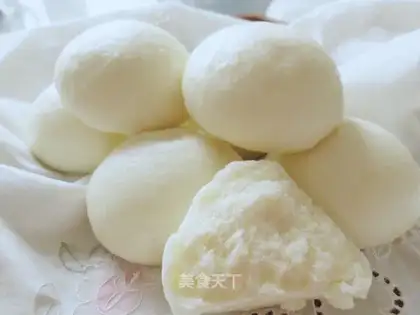
Today we come to make a soft base of sweetness, with some of the problems and attention that we face. 1 On the distinction between single and secondary fermentation. Why would two buns come out with one or two dead buns? Why can't three buns get up, wrinkled. Four buns are not smooth. Five buns of skin are dry and hard, and the open areas are exposed to air and frozen. Why are six buns cracking? What if seven buns of hair go off? 8 Distinction between common yeast and high sugar yeast. 9 yeast how to save. Distinction between high and low band flour. It is 500 grams of flour today because it is considered that families rarely make buns with 100-200 grams of flour at a time. The flour I use is a five-star。
Recipe Recommendations
- medium-gluten flour 500 grams
- white granulated sugar 50 grams
- dry yeast 4 grams
- qingshui
- Medium gluten flour for exhaust 50 grams
- Corn starch anti-sticking appropriate amount
- sweetening
- steamed
- several hours
- simple
Steps for Sweet buns
1
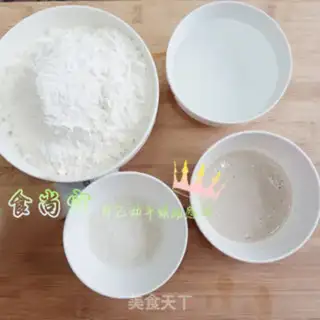
One flour, yeast, sugar, fresh water are used as spares. 2 The yeast uses 50 grams of water and 10 grams of white sugar to melt early. (For starters, it is suggested to have a more sensitive kitchen nickname and make things easier)。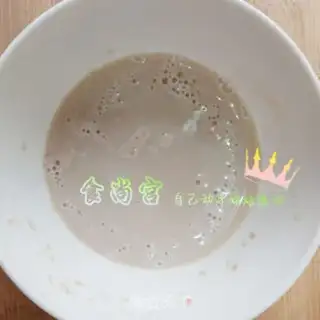
2
The fact that yeasts use 50 grams of water early and 10 grams of white sugar for five minutes or so shows that they are active。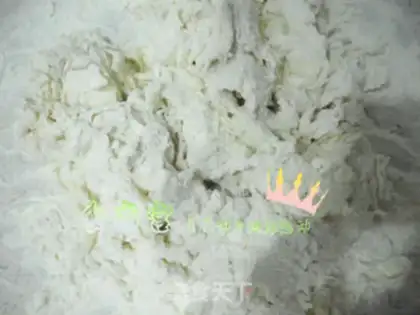
3
Prepare a large bowl of flour, which is then mixed with sugar, then with yeast, and then with fresh water. (The clean water should not be pouring in at once, because each individual has a different amount of flour, leaving 10-20 grams and eventually adding to the face of the face。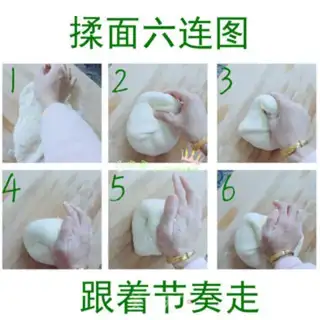
4
For starters, lashing is a big problem, and my suggestion is that the dough be taken out of the bowl and put on the board. It's not too easy, it's working。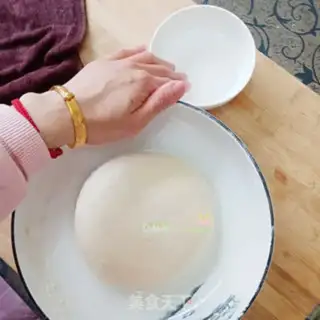
5
Flour is rubbed into a smooth pasta and put back into the bowl, because I fermented in the room, so I put a layer of fresh water on it, and if you fermented in a hot pot, you wouldn't have to paint it。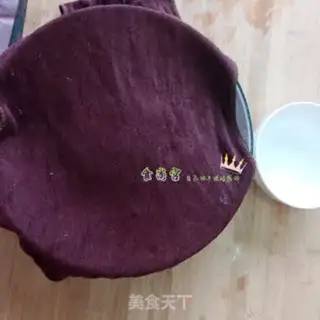
6
I usually fermented the noodles, and you could also cover the shampoo, but it's suggested a wet cloth。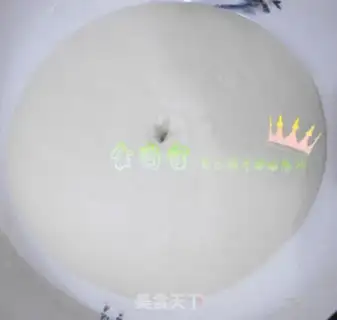
7
It must be fermented for the first time, twice the size of the pasta, with a small hole in the middle of the finger not to collapse and a cellular net torn open. Caution: The last buns that are fermented are wrinkled, but at the same time it is better not to ferment, or make them sour, if they really are over fermented。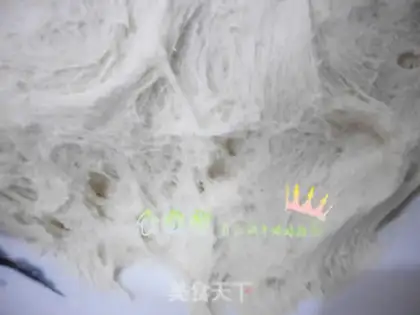
8
We're tearing up yeasted noodles, and there's a dense hive。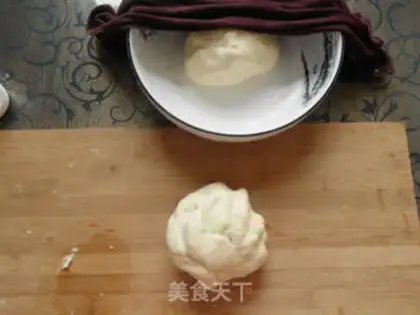
9
After the noodles were removed, the simple ones were cut into two pieces, and because 500 grams of flour exhaust would require a lot of energy, half of the exhaust would not only be less expensive but would also be better to clear the air. The other half must be covered with a wet cloth。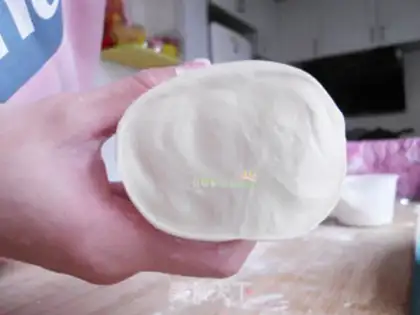
10
With about 25 grams of dry flour, covered with flour, slowly graft into the face of the flour, until it is smooth enough to slit the mouth of the face, and if the dry flour feels sticky, it can be properly protected with a little corn starch。
11
If we cut it, we'll dry it into a long thin piece。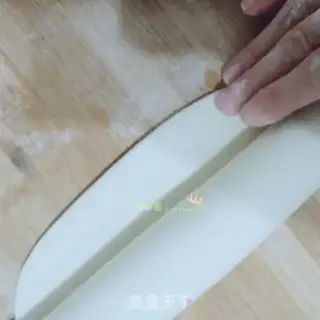
12
When it's done, it rolls from head to head, turns into a cylindrical column, ends up at the mouth, rubs a little water and makes the face stick stronger。
13
Once the cylinder is long, you can also rub it in the thick roll you want。
14
Before we take the knife, we're gonna have to mark it on the face of the roll, which is usually a little longer than the diameter of the face of the roll, before it comes out。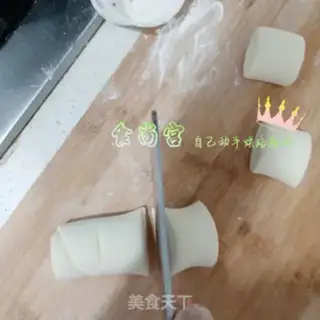
15
It is not easy to deform a face, because it must be done quickly。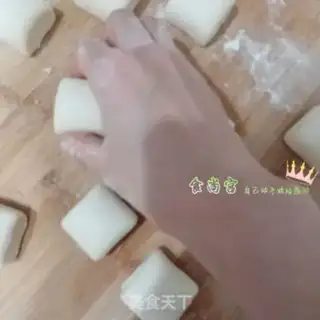
16
It doesn't matter if it's deformed. Use your hands。
17
I fermented inside the pot when the buns were cut, and I fermented in the house, so I sprayed a little tiny mist with a little spray on the buns。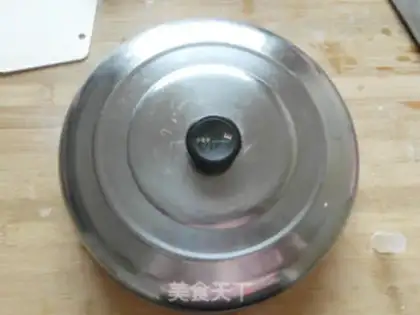
18
When I'm out of water, I'll put a pot cover on it and put warm fermentation on it, which is why we're not dry, we're not stiff when we're exposed to the air, and we're gonna have to keep some humidity。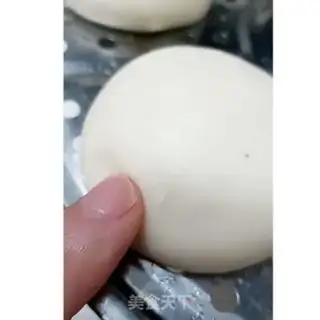
19
How do you check the fermented hair, the fermented buns, and we can see that there's a clear increase in the bulk of the bundling, a slight change in weight, and that the quick repulsive bullet with a small finger is fermented. On the other hand, if it doesn't change, it doesn't ferment. Or it's slow to press back, or it's not quite ready, and it needs to wait。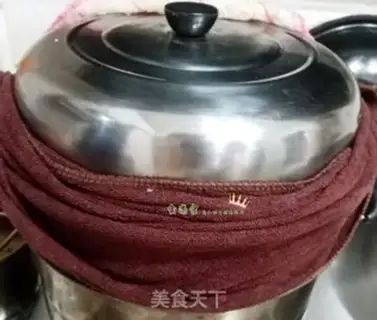
20
When fermented, you can get in the pot, 10 minutes in the fire, 3 minutes out of the fire, then you can untangle the wet cloth and cover。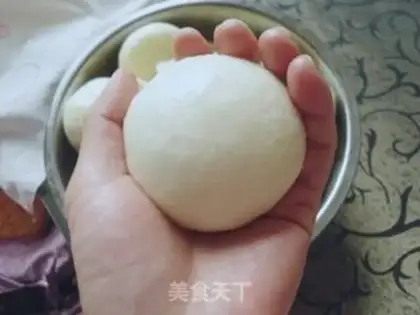
21
Steamed buns suggest that they be removed and covered with a clean cotton cloth to cool off, avoiding steam leaching。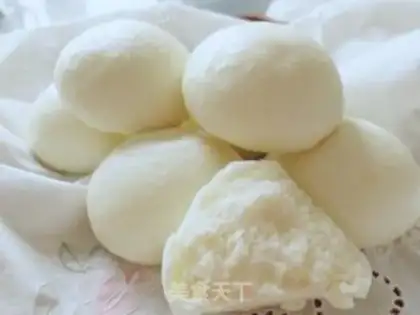
22
The good buns, whether cold or hot, are soft or stiff, open and exposed to the air, flat surfaces, skins, smell of thick wheat, tissues, elasticity, not sticky teeth, and hand-to-hand the buns back, making it very soft today, making snacks for breakfast。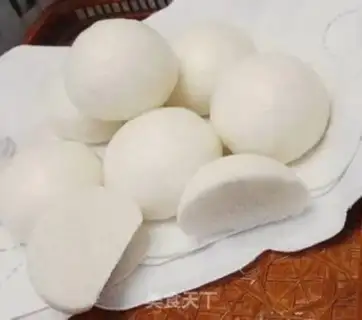
23
What if you like to eat more china? Then dry the flour when it's fresh, and the more it gets, the more it gets, the more it gets。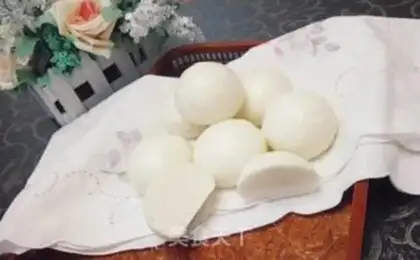
24
One fermented pasta is not sufficiently fermented, the face is not sufficiently stretched, it is less stretchy, the buns are made with more porcelain tastes, and in terms of taste, the fermented buns are dim, but can be enhanced with sugar, due to the short awakening time and insufficient time for the yeast to produce flavour. When the face is fermented at a time when it is not fermented to the optimal extent, the likelihood of the finished bun is much greater than the probability of secondary fermentation, and the temperature and importance of the side, which has a clear effect on the awakening, must be strictly controlled. The second fermented noodle function is more stable than a permafrost, it is full of fermentation, it is extended and extended, thus increasing the softness of the noodle, and it is presented with its extended nature, which, since short-term fermentation does not result in a large degree of desolation and pulling of the noodle, is very beneficial for subsequent formation and awakening. At the same time, yeasts are in a more active state, resulting in a marked increase in the acupuncture of the noodles and a good taste. And then the whole of the buns with a double fermentation is relatively soft and hard, and the products of the general secondary fermentation method are soft and delicately organized within the product with a small chance of a contraction. It's also relatively good-looking, easier to process when it's formed, and its surfaces are smooth and bright and relatively full
25
When the yeast is closed, it's contained in a small clamp and kept in cold ice in the fridge, which will remain in service as long as it does not expire. Every time I buy a pack of yeasts, I use them slowly, I don't need to unfrozen, I don't need to freeze, I don't need to open them with warm or cold water, I don't need hot water。Sweet buns Make Tips
The formal answers to the above 10 minor questions will now begin. It is not a drip relationship, it is not a cause-and-effect relationship, or it will never improve. 3 Because the first and second fermentation is not in place or not fermented at all, the buns are not fertilized or wrinkled. If the fermentation is not smooth, then the exhaust is not in place and the exhaust must be clean and the buns smooth. 5 The production of buns is slow, awakening does not cover the film or damp in a timely manner, and at the secondary fermentation, the embryo is exposed directly to the air, without a lid that causes it to evaporate. There are many cases of cracks, the first of which is that the flour is not stretchy enough to mix too much groceries, or that, after over-fermentation, the size of the buns becomes too large to support when the fire evaporates, which is due to a variety of factors that cannot be described. So try not to get too fermented. A little soda or a alkaline noodle, just a little bit. It's usually a regular yeast, it's a sugar-rich pasta, it's a high sugar-resistant yeast, like bread, and, of course, it's also a high sugary yeast, which is more active than the average yeast. Among the 10 medium- and low-strength flours, the best for buns, the softness of their mouths, the strongness of the flour, which is more suitable for bread, is generally more extensive. Questions 1 and 9 are more numerous and are in the process。