Old-fashioned
By VicentaLakin
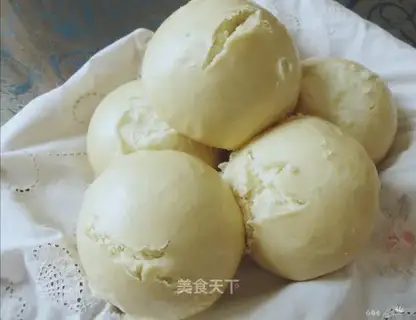
Famous households are generally referred to as old noodles, old fats, old yeasts, sequins, etc. There were no fresh yeasts in the past, and pasta products were produced at home, usually using this method of fermentation, so that no yeasts were allowed. The pasta, which is made of pasta, is fine and tastes better than fermented products. Wall crackers who have not done an old bun must do it once, and the taste of the product is so thin, the more they chew, the more they do in their homes, the bigger they eat, the bigger they eat, the more they eat. This freezer is wet to save the old ones, and it can also dry the old ones in a bag, which doesn't describe what the North does and what the South does not. The old face of my day is left over from the last time I made the bun, so I left a piece of it in the bag and put it in the freezer, and it was generally recommended to run out in three or five days. Of course, you can make new ones, but the process is cumbersome。
Recipe Recommendations
- flour appropriate amount
- flour fertilizer a
- baking soda appropriate amount
- water appropriate amount
Steps for Old-fashioned
1
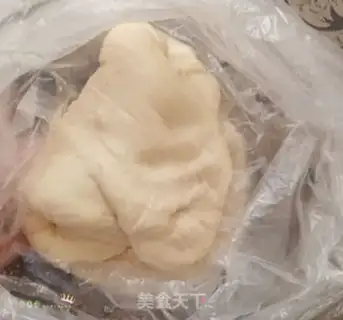
One piece of face, any amount of it, the rest of it, the rest of it, the less. I've got more than a pound left。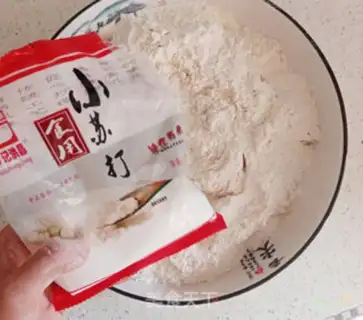
2
I'm about to add a pound of dry flour to my face, so I got two grams of little soda and a 1:500. [The difference between old pasta alkalin and small sodas is that the difference between alkaline evaporated buns that are not initiated by small soda buns is that the ratio of alkalin use is in its own hands, operating on the actual face of the face, is not enough and it is too painful. So the newcomer suggested a little soda, and it's the same thing about whether a little soda is first or later。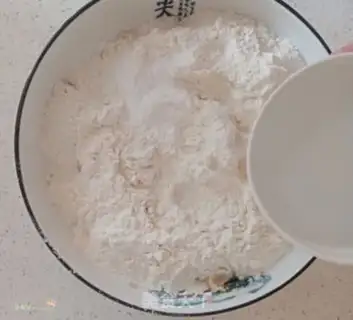
3
When dry materials are mixed into a proper amount of water, the water is not pouring too much, and can be rubbed up and added to the dry humidity of the noodles。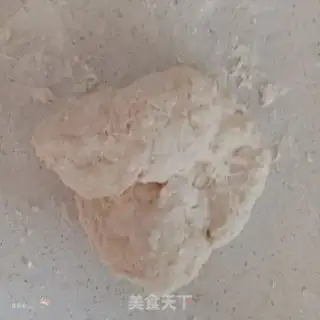
4
It'll be on the panel when the noodles are covered。
5
It may be that many newcomers are less capable of rubbing their faces, especially when they have more dough, so that they can not rub them, find a lid to cover them, and then rub them after 5 to 10 minutes。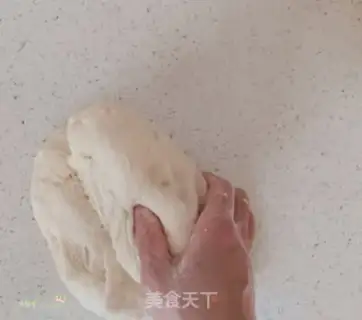
6
When you're still, it's soft and smooth, and you're completely free of pressure. Now we can rub it in a breath until it's smooth。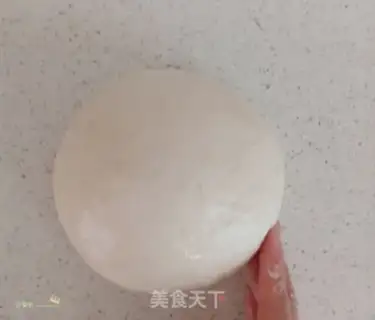
7
I'm used to rub a thin water on the noodles to keep them wet if they are fermented naturally in the room。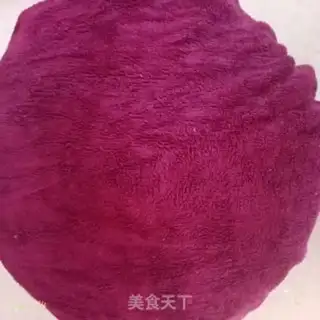
8
It is also intended to maintain the dampness of the whole group。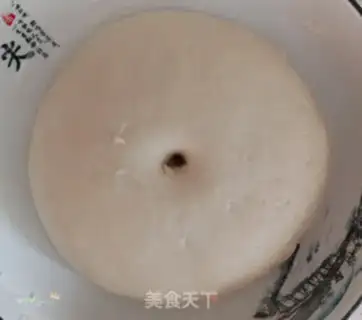
9
The noodle fermented to two times the size of its fingers and a small hole in the middle of the noodle, and the first fermentation was completed by the failure of the perforation。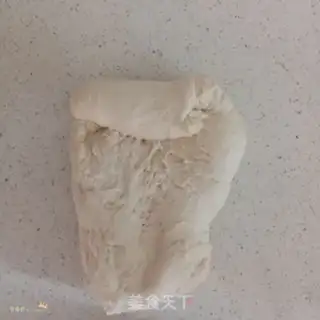
10
Put some dry flour on the board, take off the fermented face and pump it out with the palms. Noodles。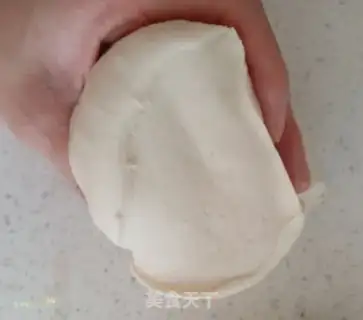
11
The more the buns and the bread grow, the more the bumps, the more it gets, the more it gets. So now it's possible to push while drying out the powder, without worrying whether it's getting harder, because it's getting warmer and softer. There are no visible gas holes in the face of the face。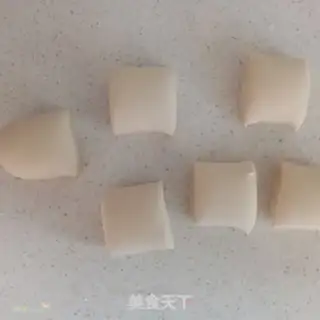
12
And when you've got a long face, you cut it to the size you want。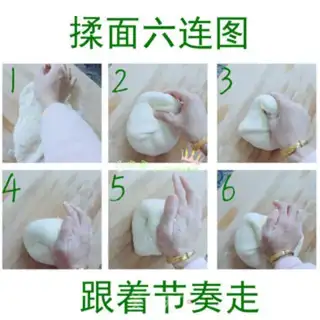
13
A small face squeezing has begun pushing a dozen times or dozens of times into a circle。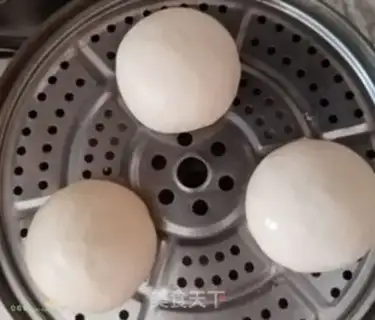
14
A well-prepared fermented fermentation pot。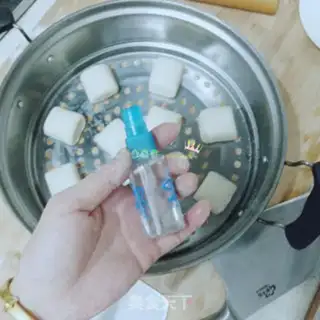
15
If it's room-temperature fermentation, before the fermentation, sprays 5-6 in the head with a small canteen。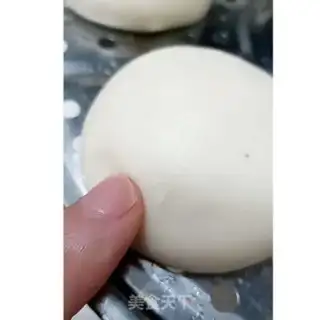
16
The size of the hairy buns is 1.5 times larger, and a light touch of the pressure can quicken the bullet so that the fermentation is sufficient to fire steam。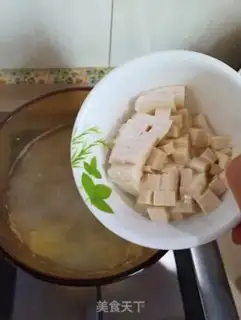
17
If you don't want to have a few dead faces, the steamed pan must be sealed and covered in 12 minutes after the fire。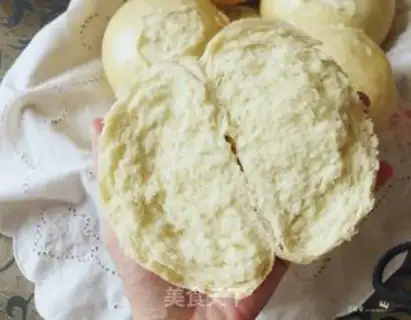
18
As long as the process is well covered, the moisture is abundant, the moisture of the buns is high, the skin is not dry at all, the tissue is softer, chews soft, and can't eat dirt. Conversely, if the bone is exposed to the air for long periods of time, and the skin is not watered, the skin of the finished product becomes tougher and, like thick leather, the internal tissue is prone to rigidity。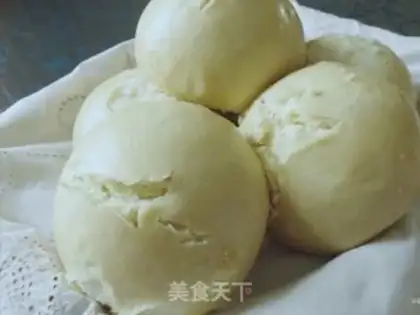
19
My face is fatter, so my finished product is a bit cracky, and if it's less fat, it's usually not cracky, and yeasts decompose the glucose, produce thermal expansion of carbon dioxide, so the buns are soft and porosy, and when there's more carbon dioxide, it breaks through the skin of the cork, creating cracks。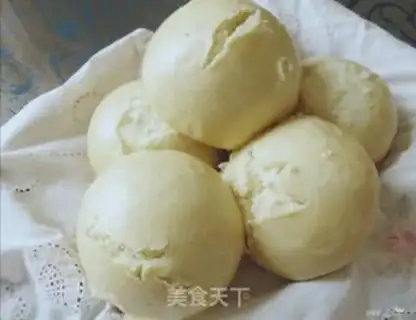
20
When the buns are fertilized, the cotton cloth + caps not only prevent wind change and resilience, but also absorb excess water vapours, which are so big and so flexible that the sorbent can eat a large one without looking。Old-fashioned Make Tips
My family prefers the yellow one when the sodas are thicker, when the sodas are white, when the sodas are white, when the sours and the smell are different. Famous is a small piece of pasta with more than 12 hours of leftover hair. The bag is kept in a cold, and it will grow slowly during the process, so the bag will have to leave some room for face fat, so that it can be fermented directly in the next bun as long as it does not change. This freezer is wet to save the old noodles, and you can throw them in a bag to save the old ones