Polish mud raisins
By VicentaLakin
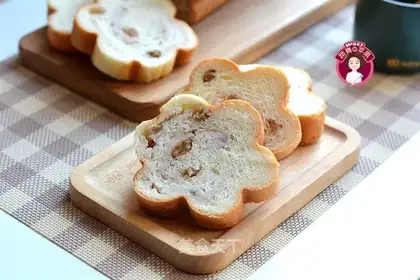
The bread that was grown in Poland was very soft, not aging and not hard for three days. I've made less bread candy and oil, but the organization is good in all its aspects, and my family loves it, and it's been out for less than three days. I usually do it first day, sometimes at night, at the top of the night, the next day, all in。
Recipe Recommendations
- high-gluten flour 50 grams
- dry yeast
- cold water 50 grams
- sugar-tolerant dry yeast 2 grams
- light cream 30 grams
- butter 20 grams
- white sugar 20 grams
- salt 2 grams
- raisins 30 grams
- mashed Taro 120 grams
- sweetening
- baking
- several hours
- ordinary
Steps for Polish mud raisins
1
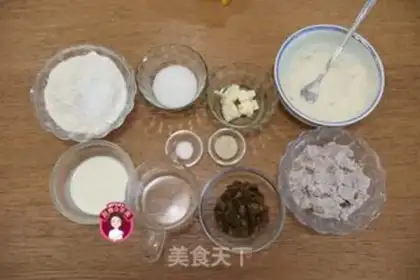
Polish pasta, main noodle material, home-made tart mud and raisins are ready; the main noodle material is: 200 grams of high-weather flour, 2 grams of sugar dry yeast, 20 grams of sugar, 2 grams of salt, 30 grams of light cream, 95 grams of cool water and 20 grams of butter; the addition of light cream increases the flaccidness and odour of bread; and 30 grams of raisins are white, washed twice with cold water to remove the dust, then melt with a little cold water and dry water when used。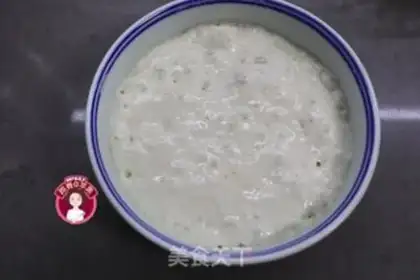
2
In retrospect, the Polish species need to be done hours in advance: 50 grams of high-weather flour, 0.5-1 grams of dry yeast, 50 grams of cold water and large bowls, mixed into dry powder with chopsticks; fermented in warm and wet areas with a protective film; 2-2.5 times larger and smaller bubbles on the surface, with a spoon to stir up the surface, with long lass below the face, with large and small gas holes; Polish species can be made on the same day, or 30 minutes of cooling in the fridge after the first night after mixing the Polish materials, and can be used the next day。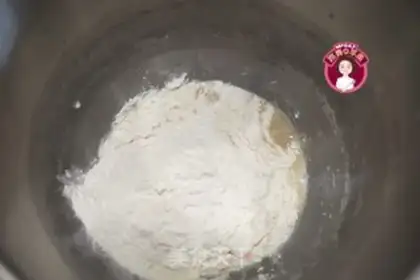
3
Turn your eyes back to the main line: pour the materials in the main panel, except butter, and the Polish scavenger into the scavenger; in the event of uncertainty as to the intake of flour, the amount of water can be set aside at 20 grams to see if the scavenger is watered。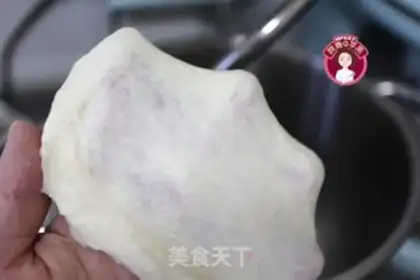
4
A two-minute low-speed mix with a cook's machine 1 and a five-minute mix with a two-minute round, which can be pulled out of this thick film and added butter。
5
The butter is completely rolled into the face of the dough at a low speed of one set into the middle of three sets, mixing for 8 to 10 minutes, the face is soft and glamorous, does not stick to the wall, scratches a non-clause hand, builds a transparent and flexible film, piercs a hole with a finger and has no sawn teeth on the edge of the hole。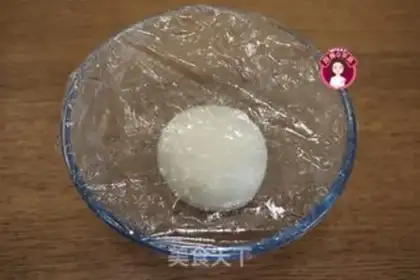
6
The dough is rounded out and placed in a deep basin, where the fermentation is based on warm and humid film。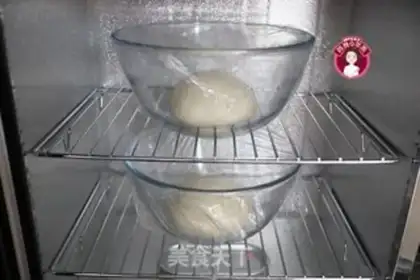
7
I used fermenters, temperature 29, humidity 65, time 3 hours, to adjust the face of the noodles; no fermenters could put the bed in the oven, use the fermentation procedure, temperature 30 degrees, and put a bowl of hot water to increase humidity。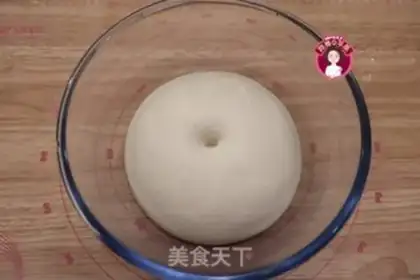
8
The dough is twice as big and the fingers are poking a hole in the top of the flour, not falling, not convulsing, and fermenting is successful。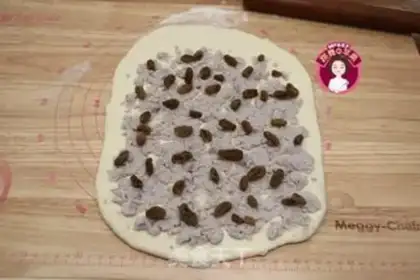
9
the noodles fall on the board, with a bit of flour on their hands, a little bit of pasta, and a little bit of pasta in the form of pasta, so as to get the air bubble out of them as much as possible; the pasta grow about 30 * 20 cm wide with a cane, with a wide base not exceeding the length of the mould; the homemade tart is spread evenly on the face, with white on both sides and at the tail end, and the dry raisins of the asphalt are spread evenly on the mud。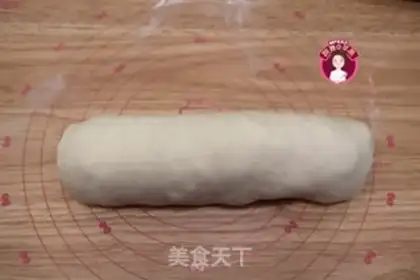
10
Roll the rolls from a close to a remote direction, and they will follow the rolls, and there will be no need to squeeze the seals and press them under the veil。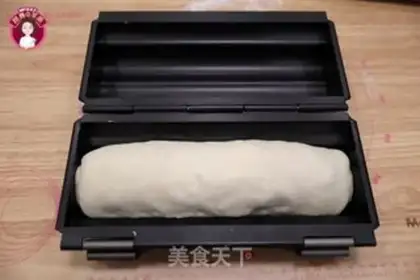
11
The bread roll is placed in a plum model。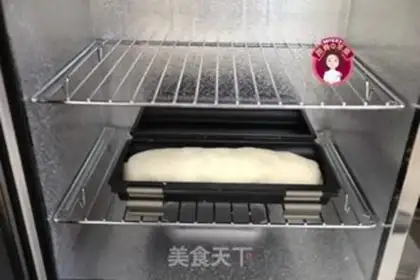
12
The molds fermented in a warm and wet place, such as a fermentation box, at a temperature of 32, 65 humidity, for an hour or so, in 30 minutes, cover the top of the molds and tighten them and continue to complete the fermentation behind them。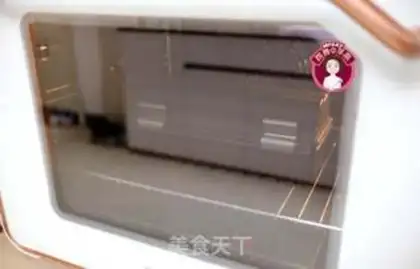
13
They were sent to the middle of a pre-heated oven, with a fire of 180 degrees and 30 minutes; from the colour of the oven, they had two whites on them; the fire above them could be raised to 185-190, so that the colour of the whole bread could be fully unified; and the temperature and time of the bakery would be adjusted to the actual situation in the oven。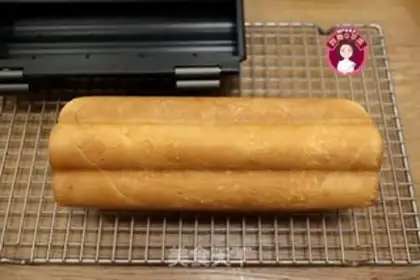
14
When the oven is released, the mold is removed and the bread rolls are transferred to the hanger, which is stored in a bag when the hand is warmed, and thick slices are cut for consumption。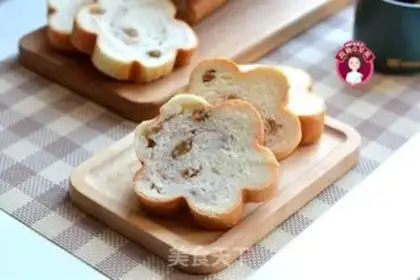
15
Polish mud raisin bread is so soft, it's not hard for three daysPolish mud raisins Make Tips
1. If you want to use the direct fermentation method, the bread made from the Polish seed is very soft and not hard for three days; it needs to be made well in advance; the method is detailed in step 2; the amount of flour grown in Poland is 25 per cent of the main flour volume, with some movement up and down; the amount of liquid in the main flour is calculated by adding all Polish flour and the main flour, generally taking about 65 per cent of the amount of water, and the amount of water can be adjusted according to the water intake rate of the flour, if using liquids such as milk, yoghurt, light cream, etc., takes into account the thickness and needs to be properly increased; and the clay and grapes used in the formula are not necessary and can be replaced with other sauce or dried fruit, dried fruit or not released. This flower-type mould can be used to make bread with noodles in the order of 500 grams; 3. The temperature and time of the roast are adjusted by the size of the bread roll, the preferred taste, and the actual condition of the oven。