Polish meat pine bread
By VicentaLakin
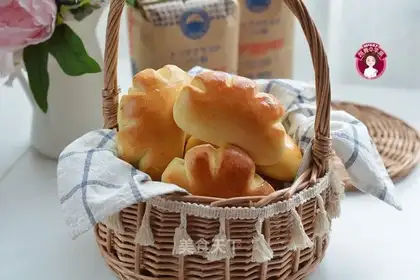
Even though it's summer, the heat of my bread has not been reduced by the heat. The child is prepared for the examination at home, and three meals a day are resubmitted to the calendar. Breakfast is good, and in order to stay busy, I usually bake bread early, so that breakfast will only have to boil eggs and a vegetable and fruit salad or something. Today's bread is very soft because it's Polish. The Polish kind just sounds mysterious, but it's super simple。
Recipe Recommendations
- high-gluten flour 50 grams
- dry yeast 0.5 grams
- cold water 50 grams
- eggs 50 grams
- white sugar 20 grams
- salt 2 grams
- butter 20 grams
- meat floss appropriate amount
- surface brushing egg liquid a little
Steps for Polish meat pine bread
1
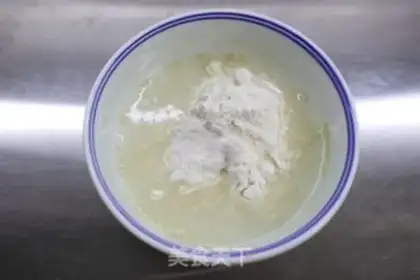
A few hours in advance to make a Polish seed: high-strength flour, dry yeast, cold water and bowling。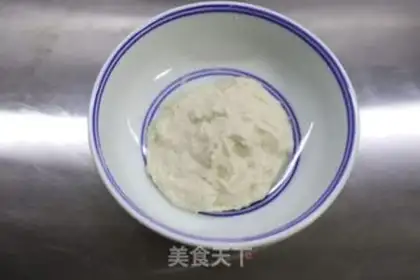
2
Mixed, fermented, fermented in warm and wet areas, or fermented 30 minutes after room temperature, transferred to the freezer。
3
The volume is three times larger and the interior is filled with large and small air holes, which are Polish yeast。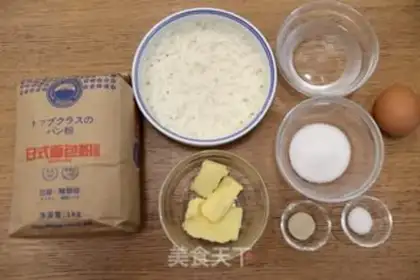
4
Polish yeast and main noodle materials are ready: the amount of sugar is low and can be adjusted to its taste; it is now hot and water and eggs can be cooled and used。
5
All materials except butter were placed in the rubbed bucket。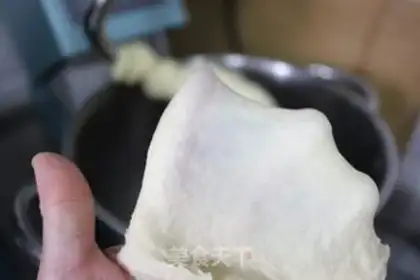
6
A low-intensity grouping is followed by a smoothing of the face and butter when it pulls out the thick film。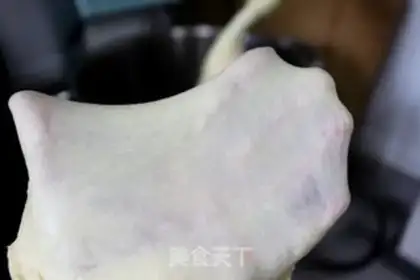
7
The full integration of butter into the noodles at a low speed, and the smooth, soft and small dot walls of the noodles at a turn-off speed, can produce transparent and resilient film。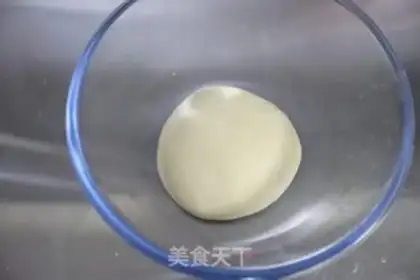
8
The noodles are rounded and placed in the noodle basin, and the shampoo is fermented on the basis of warm and wet areas; it is now hot and fermented at room temperature。
9
When the dough is twice as big, the finger-tip flour piercs the top of the flour and does not collapse with a slight retrenchment。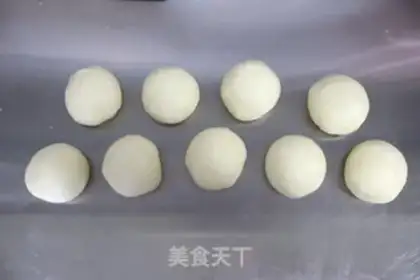
10
The noodles fell down on the operating table, saying that they were divided into nine equals, were rounded, covered by flavour for about 15 minutes, and their fingers were laid loose without a bullet coming back。
11
The soft, smooth face of the face is smooth, and the elliptical form is oscillated; then the face is turned upside down and the skin is pineed at 1/2 of the face。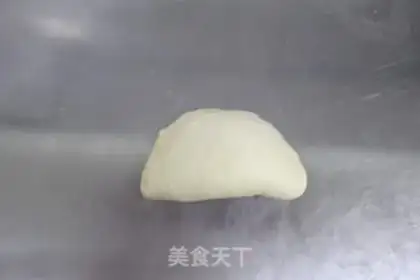
12
The face is folded, the smooth face becomes surface; the edge is pressed by the palm of the hand, which binds the face。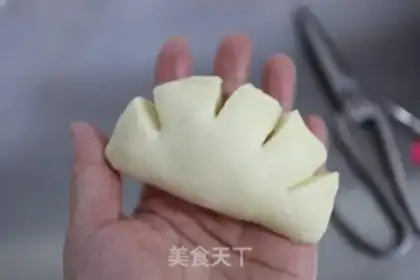
13
With shears on the arc side, shears four blades, and shears each of them to the inside, so that when she's two-shot and baked, there's a natural crack。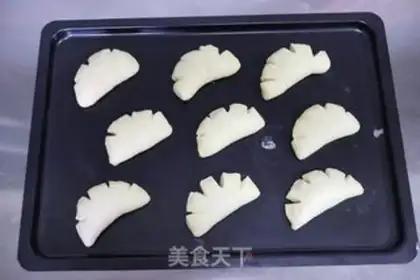
14
The bakery code is placed in the oven, leaving room for expansion between them; it is fermented twice in the oven, with a bowl of water at about 35 degrees。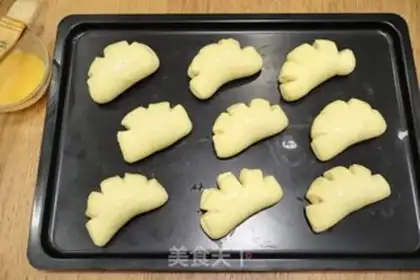
15
Life is 1.5 times the original hour, with an egg fluid painted on the surface, and a preheated oven at 180/190 degrees。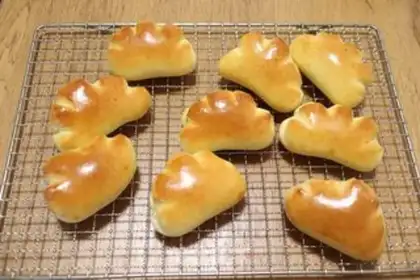
16
The bread is delivered to the lower and middle of the pre-heated oven and is kept in a bag for up and down fire of 180/190 for 15 minutes, when it is hanged on the hanger when it is warm。
17
Polish pine bread, rich and delicious. Good breakfast snacksPolish meat pine bread Make Tips
One, the Polish species can ferment at room temperature, or the refrigerator can freeze fermentation, but it is not appropriate to exceed 14 hours to prevent excessive fermentation from affecting the taste; the Polish flour use is typically 25 per cent of the main flour volume, floating slightly up and down, but it is inappropriate to over-proporise the formation of the condensation; the Polish species can slow the ageing rate of bread, which is not rigid for three days; the water intake of flour and the environmental humidity of the polish is different; I use the new top-up fine daily bread powder, which is very high, so the amount of water in the formula can be set at 20 grams, adjusted to the condition of the face group; the inside-used meat cedars, which are readily available, can be adjusted to the taste of meat so much as to the size of the bread, the circumstances of the ovens used and the fabric of the ovens。